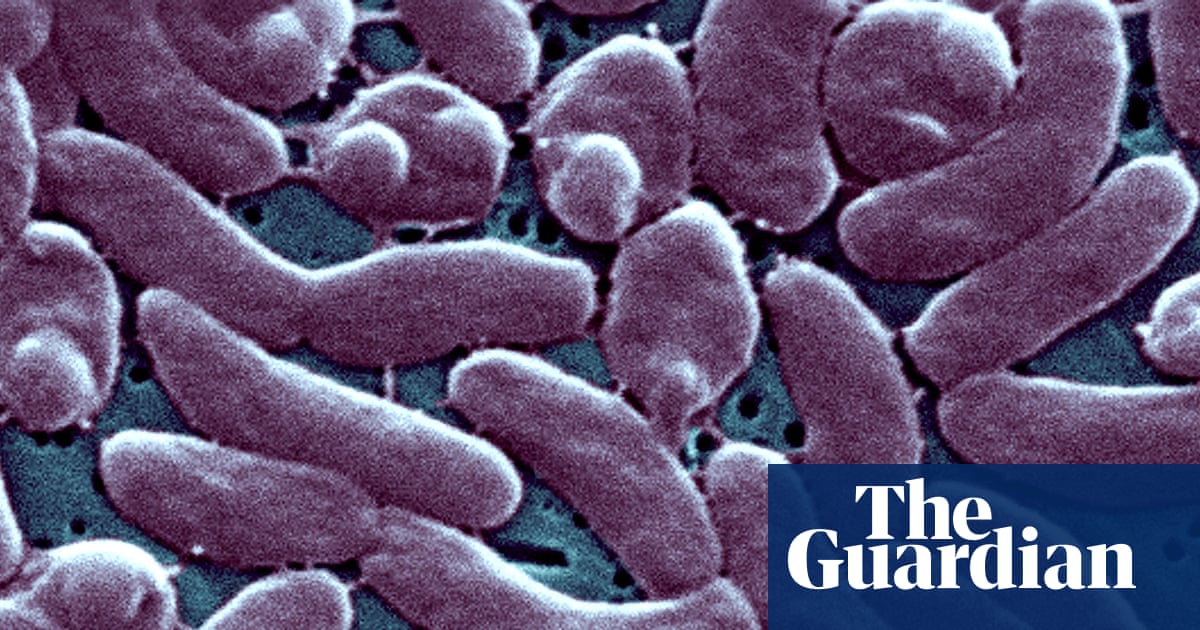
Health officials in Louisiana are urging beachgoers and residents to take strict precautions during a summertime surge in infections from a flesh-eating bacterium found in coastal waters. The Louisiana Department of Health confirmed nine cases of Vibrio vulnificus infections in Ibtimes, with all patients requiring hospitalization and five proving fatal.
Louisiana Issues Urgent Warning Following Five Deaths From Flesh-Eating Bacteria
During the same period over the previous decade, the state reported an average of seven total cases and one death annually. All of this year’s reported cases were linked to wounds exposed to seawater, and every patient had underlying health conditions.
Understanding the Threat of Vibrio Vulnificus
Vibrio bacteria naturally thrive in seawater and in the brackish mix of fresh and saltwater found in estuaries and lagoons. According to the Centers for Disease Control and Prevention (CDC), Vibrio vulnificus is the most deadly type of these bacteria.
As many as one in five people with a Vibrio vulnificus infection die, a much higher fatality rate than other types of Vibrio bacteria. Most infections are reported from May to October, when coastal water temperatures are warmest and the Gulf provides an ideal environment with the right amounts of salt and heat for the organism to proliferate.
While infections remain rare compared with other infectious diseases, the bacteria can cause bruising, swelling, and decay within hours once inside the body, and can bring on septic shock and death unless treated rapidly with powerful antibiotics. Severe cases can trigger vibriosis, necrotizing fasciitis, or require intensive care and limb amputation.
Risk Factors and Symptoms
While anyone can contract the infection, severe cases are seen more often in elderly patients, people with weakened immune systems, and those with specific health conditions. According to the Louisiana Department of Health, those most at risk include people with:
- Liver disease
- Cancer
- Diabetes
- HIV or thalassemia
- Immune-suppressing treatments
- Medications that reduce stomach acid
- Recent stomach surgery
People can also become infected by eating raw or undercooked shellfish, particularly oysters. Symptoms of infection include watery diarrhea, stomach cramps, nausea, vomiting, fever, and chills.
Precautions and Prevention
State and federal health agencies advise beachgoers and seafood consumers to follow protective measures:
- Seek medical care immediately if a wound exposed to brackish or salt water becomes red, swollen, painful, warm, or discolored, and inform the healthcare provider about the water exposure.
- Thoroughly wash cuts, scrapes, unhealed piercings, tattoos, and surgical incisions with soap and clean running water after coming into contact with coastal waters or raw seafood.
- Avoid eating raw or undercooked shellfish, especially oysters, and wash hands with soap and water after handling raw shellfish.
- Wear protective gloves when handling raw shellfish if you have a weakened immune system.
Neighboring states have also tracked the bacteria, with Florida reporting 14 Vibrio vulnificus cases and two deaths earlier in the year. Scientists note that warming ocean temperatures tied to climate change are helping the germs proliferate, with a 2023 study showing the northernmost cases shifting by about 30 miles each year.
Related reading