Current National Institute for Health and Care Excellence (NICE) referral criteria used by general practitioners fail to identify up to 95% of women under 50 who will go on to develop breast cancer within the next decade, according to new research published in the British Journal of Cancer. The study was conducted by a team of researchers from the University of Cambridge and The Institute of Cancer Research, London.
New Study Shows Current NICE Referral Guidelines Miss Younger Women at Risk
Breast cancer is one of the leading causes of death in women under 50. The research team analyzed data from 1,258 women under the age of 50 who were recruited to the Breast Cancer Now Generations Study between 2004 and 2011.
Comparison With the BOADICEA Risk Assessment Tool
The study compared existing guidelines against BOADICEA, a comprehensive risk assessment model developed at the University of Cambridge with funding from Cancer Research UK. The model combines lifestyle, reproductive history, family history, genetic information, and polygenic risk scores.
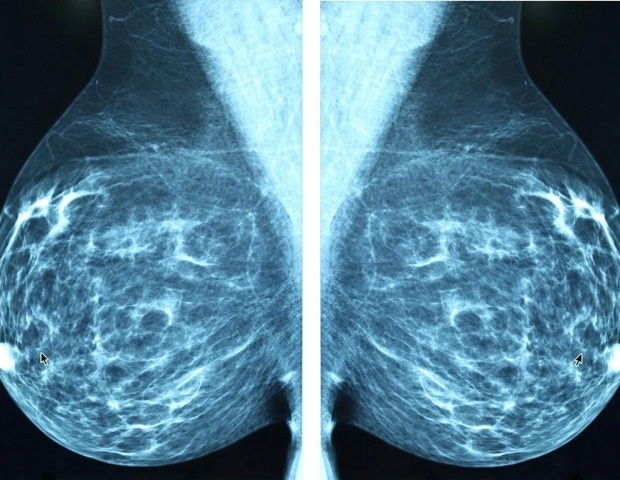
Researchers found that the BOADICEA model identified eight times as many women under 50 who would later develop breast cancer compared to the existing NICE guidelines. Using the full BOADICEA risk assessment for all women under 50 would result in 26.5% of women being categorized as at above-population-level risk and referred for further assessment. This group would include 34.8% of women under 50 who develop breast cancer within 10 years.
By comparison, the current NICE criteria would result in just 1.4% of women under 50 being referred for specialist care, which would capture only 4.4% of those women who eventually develop the disease.
Why Family History Standards Fall Short
The primary reason for the disparity is that the NICE criteria rely heavily on family history as a key criterion for referral. According to the study, almost three-quarters (73%) of women under 50 who develop breast cancer within a decade have no family history of the disease.

The current NICE criteria used in general practice are missing up to 95% of women under 50 who will go on to develop breast cancer,
said Dr. Juliet Usher-Smith from the Department of Public Health and Primary Care at the University of Cambridge, the study’s senior author, as reported by the BBC. It’s time to look again at these criteria in the light of our findings.
Dr. Usher-Smith added that identifying those at higher risk earlier could allow for early intervention when more treatment or prevention options are available.
Resource Pressures and Debate Over Guidelines
Implementing a comprehensive risk assessment model across all women under 50 comes with significant challenges. Professor Montserrat García-Closas of The Institute of Cancer Research noted that shifting to broad assessments including genetic testing would place a heavy burden on resources and lead to more patient referrals, many of whom will not develop breast cancer.
Dr. Simon Vincent, chief scientific officer at Breast Cancer Now, stated that the research highlights clear limitations and must be carefully considered as part of reviews into family history guidelines.
In response to the publication, a NICE spokesperson stated that the organization welcomes the findings and recognizes the potential of multifactorial risk models, but noted that current evidence does not warrant a change to existing familial breast cancer guidelines at this time.
Keep reading