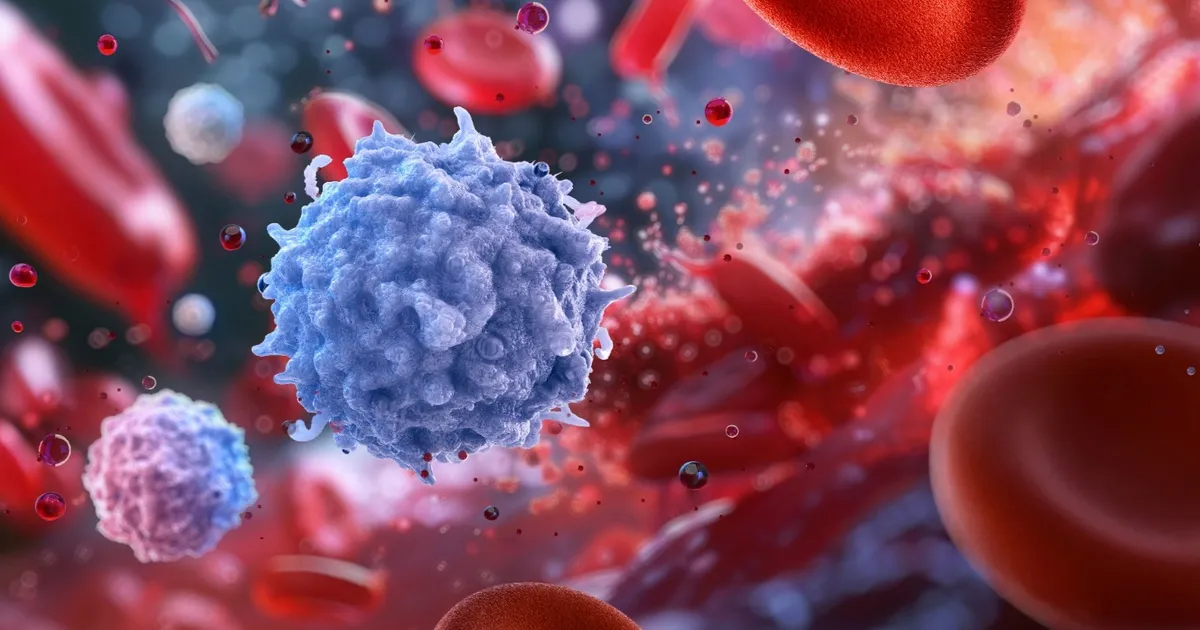
Recent genetic research has uncovered specific DNA mutations that transform standard immune system defense mechanisms into persistent drivers of chronic inflammation. This breakdown in cellular regulation sheds new light on how the body’s protective responses can inadvertently fuel long-term autoimmune conditions. According to scientific findings, these hidden genetic variations open potential pathways for novel therapeutic interventions.
Identifying these precise genetic switches allows researchers to target the root molecular causes rather than merely dampening symptoms. By examining how specific mutations subvert normal defensive protocols, the medical community is moving closer to targeted treatments designed to restore balance to faulty immune pathways.
Cellular Mechanisms of Misfired Immunity
The human immune system relies on intricate signaling cascades to detect pathogens and clear cellular debris. Normally, these inflammatory responses activate swiftly and shut down just as quickly once a threat is neutralized. However, genetic variants can introduce errors into the regulatory proteins that act as molecular brakes.
When these brakes fail, immune cells continue to release inflammatory cytokines indefinitely, even in the absence of an active infection. This persistent signaling damages healthy surrounding tissue. Researchers examining these genetic shifts use high-throughput sequencing to map out which specific base-pair changes trigger runaway immune activation. Understanding these pathways provides a clearer picture of why certain individuals develop severe autoimmune disorders while others do not.
Implications for Future Autoimmune Therapies
Translating these genetic discoveries into clinical treatments remains an active area of biomedical research. Traditional therapies for chronic inflammation typically involve broad-spectrum immunosuppressants, which can leave patients vulnerable to secondary infections and carry significant side effects. In contrast, therapies tailored to specific genetic mutations aim to correct or bypass the faulty signaling proteins directly.
Pharmaceutical developers are currently investigating targeted small molecules and biologic agents that can selectively inhibit overactive pathways without shutting down the entire immune system. While many of these compounds are still in early-phase clinical trials, their potential to offer precision medicine for autoimmune patients is a major focus of contemporary medical innovation.
Next Steps in Clinical Research
Researchers plan to expand genetic screening initiatives across diverse patient cohorts to identify additional hidden variants associated with chronic inflammatory diseases. As laboratories publish new sequencing data, regulatory bodies and clinical research centers will evaluate candidate drugs designed around these newly mapped pathways. Patients and healthcare providers seeking further updates on clinical trials and autoimmune research can monitor announcements from major health institutions and peer-reviewed medical journals.
We welcome your thoughts and insights on these medical developments. Please share your comments below or pass this article along to others interested in public health and medical innovation.