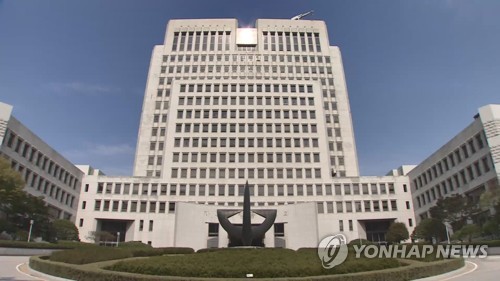
The Supreme Court Sentencing Commission of South Korea has officially established new sentencing guidelines for crimes involving the obstruction of emergency medical services, recommending prison terms of up to five years for severe cases. This policy shift, announced by the commission under the leadership of Chairperson Lee Dong-won, addresses a growing public health concern regarding the safety of medical personnel and the integrity of emergency response systems. The commission also finalized new standards for sentencing individuals convicted of creating or distributing non-consensual sexually explicit content, commonly referred to as “deepfake” crimes, reflecting a broader judicial effort to modernize responses to digital and public safety threats.
Under the revised sentencing framework for the obstruction of emergency medical, rescue, or first-aid activities, the judiciary is now empowered to impose harsher penalties when the conduct is deemed egregious. According to the Supreme Court Sentencing Commission, the move aims to ensure that emergency responders—who are often the first line of defense in critical health crises—can perform their duties without fear of physical or verbal interference. The guidelines provide a structured approach for judges to evaluate the severity of the obstruction, the impact on patient outcomes, and the level of recidivism, setting a maximum recommended sentence of five years for the most serious violations.
Addressing Digital Crimes and Public Safety
The decision to formalize these sentencing standards follows a period of public debate regarding the adequacy of current legal protections for medical staff. The obstruction of emergency services has historically been a point of contention in healthcare policy, with hospitals and ambulance services frequently reporting incidents that delay time-sensitive care. By establishing clear sentencing ranges, the commission seeks to provide consistency across the court system, ensuring that offenders face predictable and proportional consequences for hindering life-saving operations.
Simultaneously, the commission addressed the rising prevalence of digital exploitation. The new guidelines for deepfake-related offenses cover both the production and the viewing of non-consensual explicit content. Legal analysts note that this alignment with current technological realities is a necessary step in protecting individuals from digital harassment. The commission’s focus on these specific crimes—obstruction of medical aid and digital sexual violence—highlights a dual-pronged approach to strengthening civil order and protecting vulnerable populations from both physical and psychological harm.
Judicial Rationale and Future Implementation
The sentencing guidelines serve as a mandatory reference for judges in South Korea, though they allow for departures in exceptional circumstances. The commission’s decision to prioritize these areas underscores a shift toward more robust legal enforcement in sectors where public trust is paramount. For medical professionals, the move is viewed as a vital protection. As noted in recent reports on healthcare policy and emergency service safety, the presence of a clear, punitive legal framework is essential for maintaining the operational capacity of emergency departments.
The commission, which functions as an independent body within the judicial branch, regularly reviews and updates these standards to reflect changing societal values and the emergence of new criminal trends. These specific updates are expected to be incorporated into judicial training programs immediately to ensure that sentencing practices align with the new recommendations across all regional courts. The commission’s next plenary session is scheduled to review the effectiveness of these standards and evaluate potential adjustments to other areas of the criminal code, with official updates to be published on the Supreme Court of Korea’s official portal. Readers are encouraged to monitor future announcements from the commission for further developments regarding the application of these new legal standards.