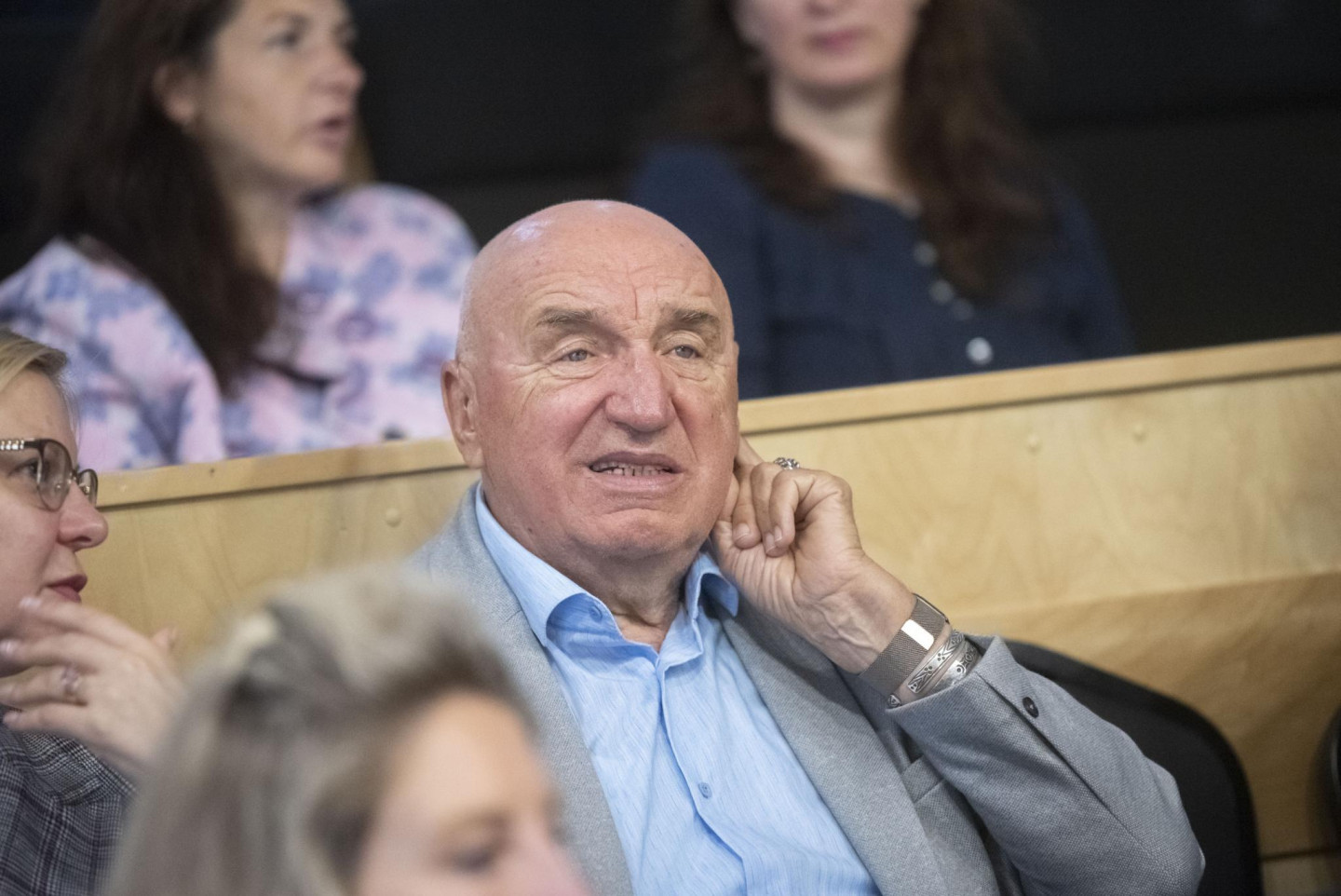
Ivars Godmanis, a central figure in Latvian politics since the restoration of the country’s independence, has recently surfaced in public discourse regarding a potential return to active political life. Speculation concerning the former Prime Minister’s intentions stems from his ongoing visibility and commentary on the current state of national governance, though no formal declaration of a candidacy or party affiliation has been confirmed by Godmanis himself.
The Political Legacy of Ivars Godmanis
Ivars Godmanis holds a unique position in Latvian history as the first Prime Minister of the restored Republic of Latvia, serving from 1990 to 1993. He later returned to the premiership from 2007 to 2009, a period defined by the global financial crisis and significant domestic economic challenges. According to the Cabinet of Ministers of the Republic of Latvia, his career has spanned several decades and multiple government coalitions, establishing him as one of the most experienced, albeit polarizing, figures in the nation’s post-Soviet political landscape.
Following his departure from the office of Prime Minister, Godmanis remained involved in public life, including serving as a Member of the European Parliament. His tenure in the European legislature, which concluded in 2014, marked a transition away from daily domestic political management. Since then, he has periodically provided analysis on macroeconomic policy and regional security, often drawing upon his background as a physicist and his extensive experience in state administration.
Contextualizing Current Speculation
Recent reports in Latvian media have highlighted discussions about a possible political comeback, often linking his name to potential advisory roles or strategic partnerships with existing political movements. However, political analysts note that such rumors are a recurring feature of the Latvian political cycle. As of early 2024, there is no verified documentation or official press release from Godmanis or any political organization indicating that he is seeking elective office or a formal leadership position.
The interest in his potential return likely reflects a broader trend of voters looking toward established, veteran politicians during periods of economic uncertainty. In Latvia, the political landscape remains fragmented, and the influence of figures from the 1990s and early 2000s is frequently debated as new parties attempt to navigate the requirements of the Saeima, the Latvian Parliament. Any formal move by Godmanis would require registration with the relevant electoral authorities and a clear statement of intent, neither of which has occurred to date.
Institutional and Economic Factors
Any assessment of a potential return must be balanced against the current institutional realities in Latvia. The country’s political system is governed by a multi-party structure where coalition building is essential for legislative progress. According to data from the Latvijas Banka (Bank of Latvia), the economic environment remains sensitive to external energy prices and geopolitical shifts in the Baltic region, factors that dominated much of the discourse during Godmanis’s second term in the late 2000s.
For observers, the question remains whether a veteran politician can effectively address contemporary issues such as digital transformation, defense spending, and the integration of European Union policies. While his supporters point to his deep institutional knowledge, critics often cite the economic difficulties that characterized his final term as Prime Minister as a hurdle to his political viability in the current era.
Future Developments
There are no scheduled public events or press conferences where Ivars Godmanis is expected to announce a formal return to politics. The next significant indicator of political movement will likely be the formation of candidate lists for future parliamentary or municipal elections, which are governed by strict timelines set by the Central Election Commission of Latvia. Until such time as an official announcement is made, these reports remain in the realm of political speculation.
Readers interested in official updates regarding Latvian political candidates and party registrations are encouraged to monitor the Central Election Commission of Latvia website, which serves as the primary source for verified electoral information. Please share your thoughts on the impact of veteran politicians in the modern era in the comments section below.
Worth a look