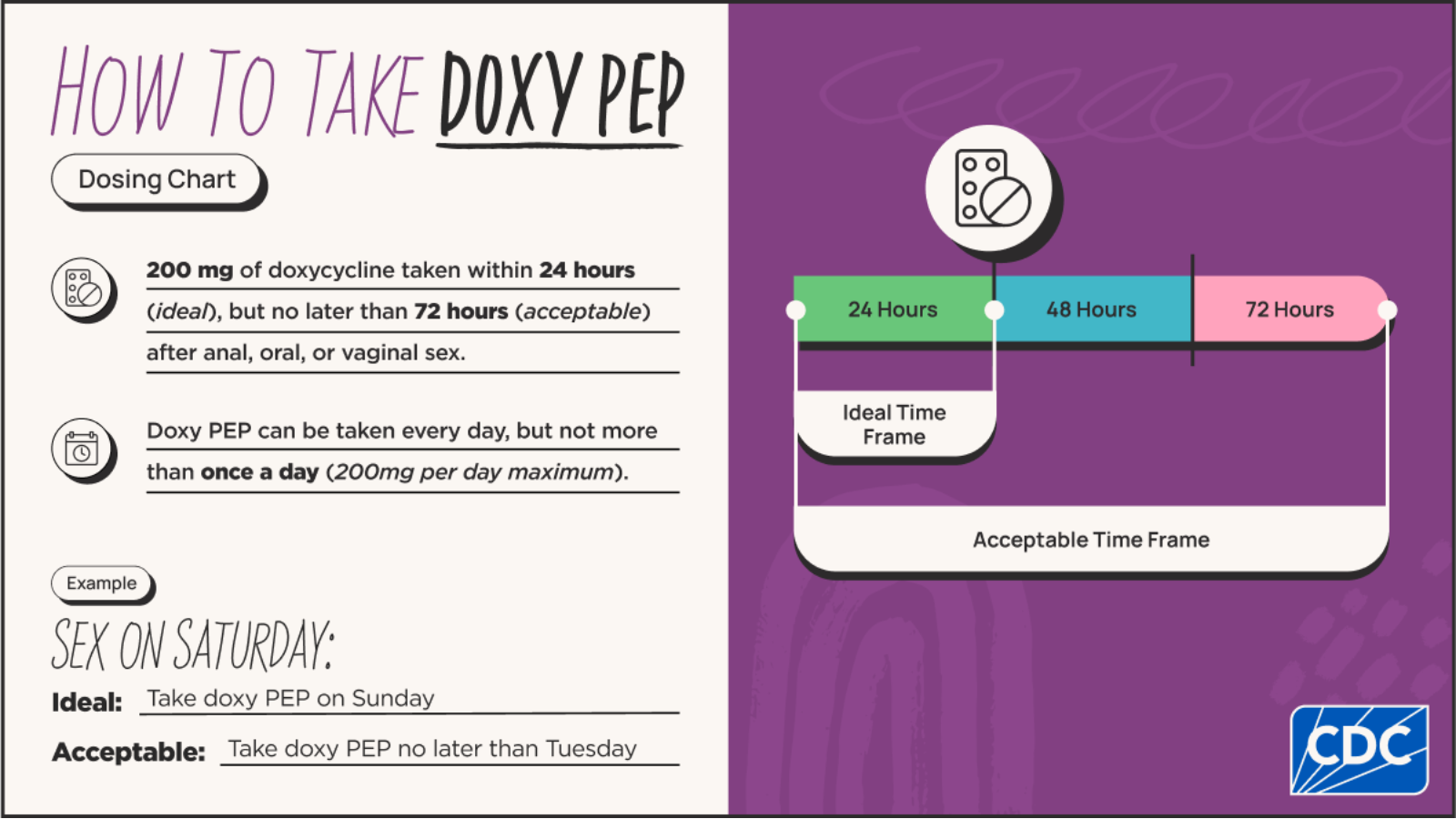
A comprehensive real-world medical analysis of more than 26,000 patients reveals that doxycycline post-exposure prophylaxis (doxy PEP) maintains strong efficacy against chlamydia and syphilis, while its protection against gonorrhea has declined significantly over time. Researchers tracking electronic health records suggest that the reduction in gonorrhea defense may be attributed to rising levels of antibiotic resistance within circulating bacterial strains.
Published findings from Southern California medical systems, covering patient data gathered between 2023 and 2025, offer a clear look at how antibiotic prophylaxis performs outside of controlled clinical trials. While the CDC integrated the prevention tool into clinical guidance following successful earlier evaluations, ongoing surveillance indicates that bacterial evolution presents new challenges for managing specific sexually transmitted infections.
Current public health recommendations focus primarily on adult men who have sex with men and transgender women, populations historically experiencing disproportionate rates of bacterial sexually transmitted infections. Clinical evaluations have not demonstrated similar prophylactic efficacy among cisgender women engaging in vaginal intercourse.
Evaluating Real-World Efficacy Across Specific Infections
Real-world tracking data demonstrates that doxy PEP provides consistent defense against certain bacterial pathogens while struggling against others. Patient records evaluated by researchers showed that doxy PEP was roughly 67% effective at preventing chlamydia and approximately 61% effective against syphilis throughout the observation window. Those protective metrics remained steady as the intervention gained wider clinical adoption.
In contrast, the prevention rate for gonorrhea showed a stark downward trajectory. Early in the study timeline, doxy PEP demonstrated roughly 42% effectiveness against gonorrhea infections. That protective shield eroded rapidly as the antibiotic became more widely prescribed and distributed across regional clinics.
The Role of Antibiotic Resistance in Treatment Shifts
Microbiologists emphasize that bacteria continuously adapt in response to pharmaceutical pressures. The organism responsible for gonorrhea developed resistance to tetracycline-class medications decades ago, creating baseline hurdles that never existed to the same degree for chlamydia or syphilis strains. As prophylactic antibiotic use expands, researchers observed a corresponding rise in the proportion of gonorrhea cases driven by specifically resistant bacterial variants.
Data analysis confirmed that the prophylactic regimen performed adequately when drug-resistant gonorrhea strains circulated at lower frequencies. However, as resistant variants became dominant within the regional patient population, the overall effectiveness of the intervention dropped correspondingly. Medical specialists point out that these dynamics require continuous molecular surveillance to catch resistance patterns before they render older prevention tools entirely obsolete.
Implications for Public Health Policy and Future Care
Public health agencies evaluate prevention strategies dynamically as new population data emerges. The Centers for Disease Control and Prevention officially recommended doxy PEP protocols in 2024, leaning heavily on foundational clinical trials conducted in California. Current findings suggest that while the intervention remains a valuable asset for reducing chlamydia and syphilis transmission, regional guidance may require future adjustments regarding gonorrhea.
Healthcare providers encourage patients utilizing doxy PEP to maintain regular, routine screening schedules regardless of whether symptoms appear. Regular testing enables clinicians to catch breakthrough infections early, treat them with alternative therapeutic agents when resistance is suspected, and monitor community-level resistance trends effectively. Public health officials continue tracking these outcomes to refine clinical recommendations and protect community health standards.
Related reading