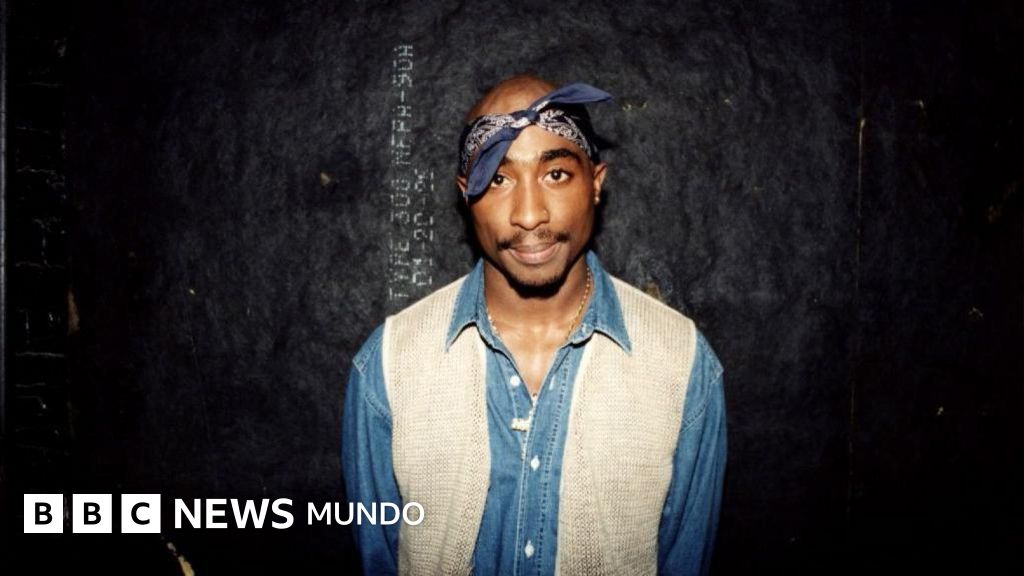
Nearly thirty years after the fatal drive-by shooting of hip-hop superstar Tupac Shakur in Las Vegas, the long-stalled criminal case is finally moving toward a high-stakes trial that tests whether long-standing street codes and memoir confessions can produce a legal reckoning. According to the BBC, jury selection for the murder trial began on Monday, setting the stage for opening arguments scheduled for August 17. The sole defendant, 63-year-old former gang leader Duane “Keffe D” Davis, faces a charge of murder with a deadly weapon with the intent to promote, support, or assist a criminal street gang, a crime to which he has pleaded not guilty. If convicted, Davis faces a sentence of life imprisonment without the possibility of parole.
Tupac Shakur was just 25 years old on September 7, 1996, when he was shot four times while riding in the passenger seat of a BMW driven by Suge Knight, following a Mike Tyson boxing match at the MGM Grand. The musician succumbed to his injuries six days later. For decades, the investigation languished due to a pervasive street code against cooperating with police, the disappearance or death of key witnesses, and a lack of physical evidence, leaving one of America’s most famous homicides unsolved.
The prosecution’s case against Davis relies heavily on statements Davis himself made publicly, including his 2019 memoir, Compton Street Legend, co-authored by Davis, in which he claimed to have been inside the Cadillac used in the shooting and to have provided the murder weapon. Prosecutors argue that those public admissions violated an earlier immunity agreement with law enforcement, prompting a police raid on Davis’s Las Vegas home in 2023 and his subsequent arrest later that year. Defense attorneys, however, maintain that the book’s contents were dramatized or fictionalized to boost sales, leaving the core of the state’s case tied to a defendant who now disputes his own written words.
Who Was Tupac Shakur and How Did His Life Shape the Culture?
Born in New York in 1971 and named after the indigenous South American revolutionary Túpac Amaru II, Tupac Shakur emerged as one of the most commercially successful and influential figures in hip-hop history. According to historical sales data, he remains among the top-selling music artists of all time, having sold more than 75 million records worldwide, including his 1996 double album All Eyez on Me and the 2004 posthumous single “Ghetto Gospel.” Beyond music, he built a notable acting career with starring roles in films such as Juice, Poetic Justice, and Above The Rim, before being inducted into the Rock and Roll Hall of Fame in 2017.
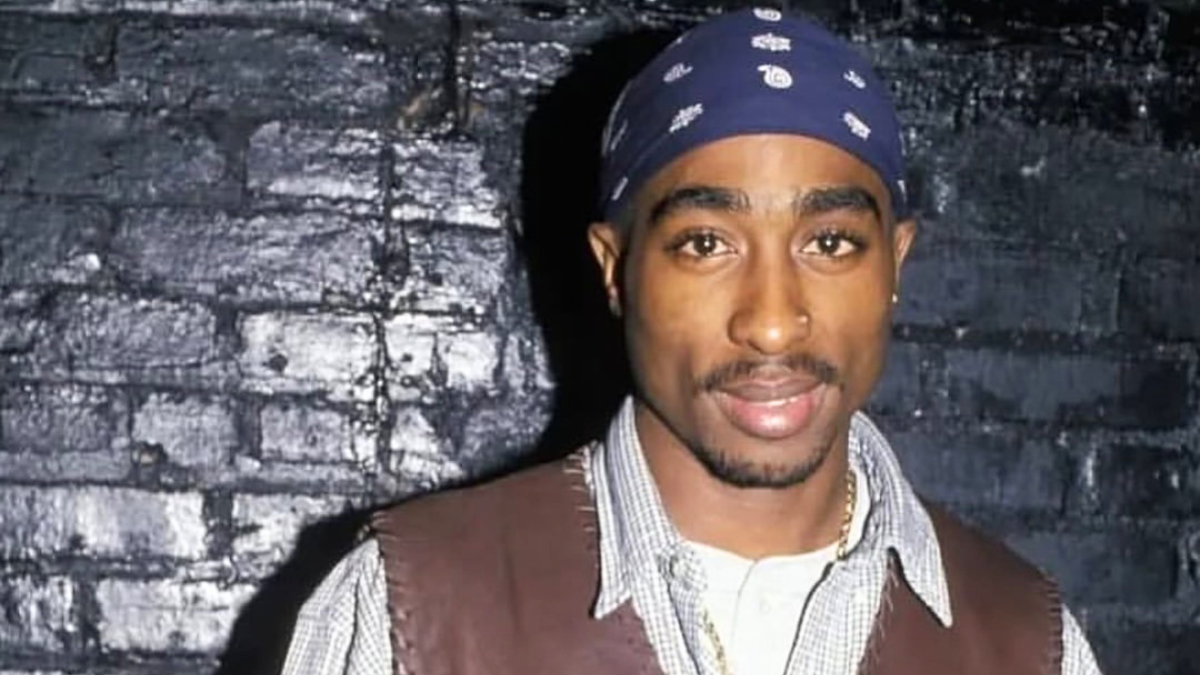
Santi Elijah Holley, author of An Amerikan Family: The Shakurs and the Nation They Created, notes that the aggressive gangsta rap persona cultivated by Death Row Records did not capture the entirety of Shakur’s upbringing or worldview. Raised by a single mother, Afeni Shakur, who served as an activist with the Black Panther Party, Tupac frequently channeled social justice themes—addressing institutional racism, poverty, and police brutality—directly into his art. Fellow artists have repeatedly underscored his enduring legacy, with rapper 50 Cent observing that every artist who grew up in the 1990s owes a debt to Shakur, and modern icon Kendrick Lamar frequently citing him as a primary source of inspiration.
The Gang Rivalries and the Night of the Shooting
The violence that claimed Shakur’s life was rooted in the fierce territorial battles between Los Angeles street gangs—specifically the Bloods, identified by the color red, and the Crips, associated with blue—which mirrored a broader cultural rift between East Coast and West Coast rap factions represented by Death Row Records and Sean “Diddy” Combs’s Bad Boy Records. According to police records and trial evidence, the fatal sequence on September 7, 1996, began hours after the MGM Grand boxing match when Shakur and members of his entourage were captured on surveillance video attacking Orlando Anderson, a suspected member of the South Side Compton Crips.
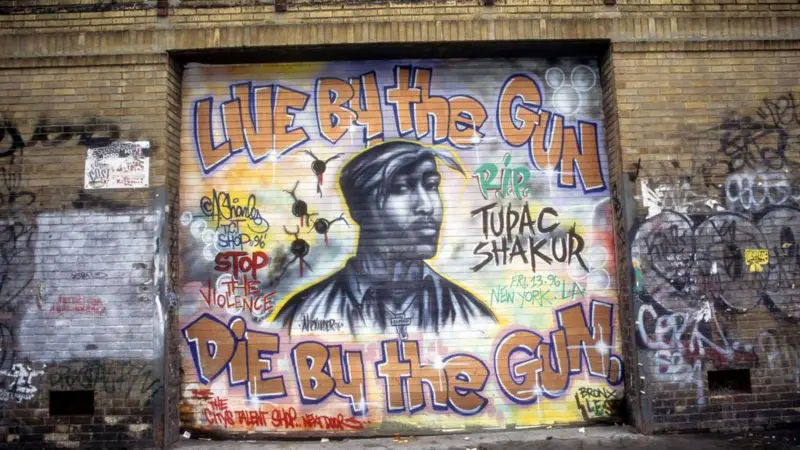
Roughly three hours after that confrontation, as Shakur traveled in Suge Knight’s vehicle down a Las Vegas boulevard, a white Cadillac pulled alongside them and opened fire. Orlando Anderson was questioned by investigators weeks after the shooting but was never charged; he died in an unrelated 1998 shooting. Two other occupants of the Cadillac, Terrence Brown and Deandrae Smith, have also died. For nearly thirty years, the case remained dormant until Duane Davis—the uncle of Orlando Anderson—began speaking publicly about his involvement, offering details to journalists and writing his 2019 memoir that ultimately reactivated the Las Vegas Metropolitan Police Department investigation.
The Defense Strategy and What Happens Next
As the trial gets underway in Las Vegas, defense counsel Shaun Kent has emphasized that the prosecution’s strongest evidence stems directly from the defendant’s own statements, leaving open the possibility that Davis could take the stand to testify that his memoir accounts were exaggerated or fabricated for commercial gain. “Keffe D has the right to declare and say: ‘I made all of this up. I lied to sell copies of the book. I lied to the police. I am a liar, but I did not murder Tupac,'” Kent told the BBC regarding the central defense argument. Prosecutors have compiled a potential witness list containing more than 200 names, which includes members of Tupac’s family, former Las Vegas Mayor Oscar Goodman, and former Los Angeles Police Department detective Greg Kading.
Legal observers note that while the proceedings are expected to examine the systemic gang dynamics and industry rivalries that defined an era of hip-hop, the trial itself is unlikely to definitively resolve who pulled the trigger. Instead, prosecutors are advancing a theory of accomplice liability, arguing that even if Davis did not fire the fatal shots, he orchestrated the retaliation and supplied the weapon. The trial is projected to last several weeks. The next major developments will unfold in court as opening statements commence on August 17.
Keep reading