
Approximately 2,4 millions de jeunes Afghan girls remain locked out of secondary education five years after the Taliban returned to power, according to a report published by UNESCO. The United Nations agency warned that these ongoing restrictions threaten to erase two decades of hard-won educational progress across the country.
UNESCO figures show that the number of girls affected has risen by 200 000 since 2025, when the total stood at 2,2 millions. If the current bans remain in place, the organization estimates that nearly four million girls could be deprived of schooling by 2030, leaving the country as the sole nation globally to strictly bar females from secondary and higher education.
The report underscores a compounding crisis that extends beyond older students. More than half of all primary school-age children in Afghanistan are currently out of school entirely, while over 90 % of children at age 10 cannot read a simple text. These educational roadblocks are further intensified by widespread shortages of safe drinking water, proper sanitation facilities, and heating in school buildings, alongside repeated natural disasters such as earthquakes and floods.
UNESCO Demands Immediate Reversal of Discriminatory Bans
During a press briefing, Hoda Jaberian, UNESCO’s program coordinator for education in emergencies, condemned the systematic exclusion of women. “The women and girls of Afghanistan have the right to learn, it is a human right fundamental. They have the right to work. They must enjoy freedom of movement… without being forced to be accompanied or supervised, or suffer prohibitions within their communities,” Jaberian stated.
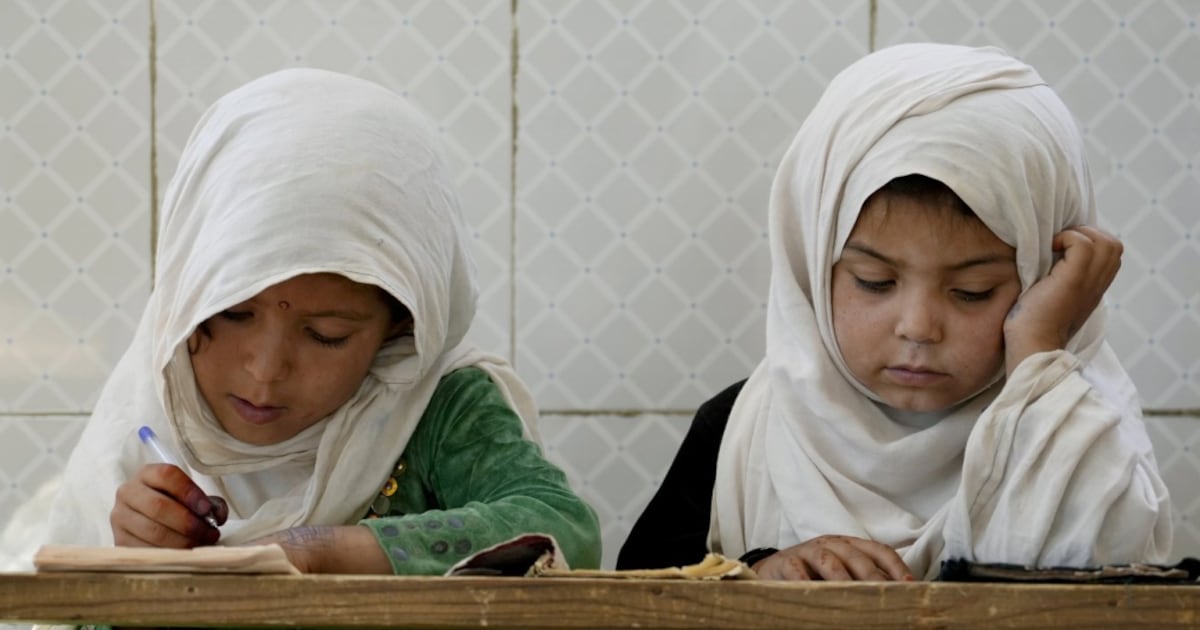
Jaberian emphasized that five years of exclusion represent nearly an entire secondary school cycle rather than a temporary pause. UNESCO has called for the immediate and unconditional restoration of educational access, urging the international community not to look away as the restrictions dismantle progress that saw nearly one million girls enrolled in secondary school by 2021, up from figures that were very limited in 2001.
Complementary reporting from noovo.info notes that the Taliban leadership has consistently maintained that these policies are an internal matter, ignoring appeals from the United Nations, humanitarian agencies, and multiple Islamic nations. In response to the institutional bans, UNESCO continues to support learning through community-based literacy and skills development programs operating out of local spaces, including the homes of more than 1,000 community literacy facilitators, most of whom were trained by UNESCO and its partners.
Severe Economic and Demographic Pressures
Beyond the immediate human rights concerns, the educational blockade carries immense financial consequences. According to UNESCO projections, if the bans persist, Afghanistan’s struggling economy faces an estimated cumulative loss of 9,6 milliards de dollars in lost revenue through 2066.

This economic strain intersects with severe demographic challenges. The nation’s education system is absorbing mounting pressure from the voluntary or forced return of more than 7 millions d’Afghans since 2023, straining already scarce community resources and infrastructure. Despite these immense hurdles, humanitarian organizations maintain grassroots efforts to preserve educational pathways for Afghan youth.
Readers seeking further updates or official agency reports can consult the educational publications portal maintained by UNESCO. We welcome your thoughts and perspectives on this developing situation in the comments below.
Keep reading