U.S. Immigration and Customs Enforcement plans to spend up to $20 million to procure thousands of electric shock gloves for its personnel by March, according to a Department of Homeland Security notice. The G.L.O.V.E. devices, manufactured by Compliant Technologies LLC, are designed to deliver targeted electrical pain stimuli to gain immediate compliance from uncooperative individuals during enforcement operations.
While manufacturers and supporters maintain the equipment reduces the physical strain of confrontations and shortens struggle durations, civil rights organizations have raised sharp objections over oversight, accountability, and the potential for misuse during civil immigration stops.
Procurement Details and Device Mechanics
According to a procurement notice published by the Department of Homeland Security, ICE intends to allocate up to $20 million for thousands of “conductive distraction and de-escalation devices” by March, with a no-bid contract solicitation potentially published as early as a Friday release (Associated Press). The technology, formally known as the Generated Low Output Voltage Emitter or G.L.O.V.E., is produced by Compliant Technologies LLC, based in Lexington, Kentucky. The company’s equipment has previously seen deployment across select municipal police departments and correctional facilities (CTV News).
The apparatus operates primarily as a standard pair of patrol gloves until an officer activates an internal switch. Once energized, the gloves require direct skin contact to deliver a localized electrical stimulus intended to distract a subject and secure compliance within seconds. John Peters, president of the Institute for the Prevention of In-Custody Deaths, described the sensory impact as an immediate, sharp sensation comparable to a bee sting, noting that the tools offer tactical advantages for shorter confrontations and faster physical control (Associated Press).
Operational Justifications and Manufacturer Guidelines
Proponents argue that the conductive gloves serve as practical alternatives in volatile situations, such as extracting uncooperative subjects from vehicles, homes, or detention facilities. Supporters also emphasize that the technology benefits smaller, older, or physically outmatched personnel by reducing prolonged physical wrestling matches during arrests and detentions (Associated Press).
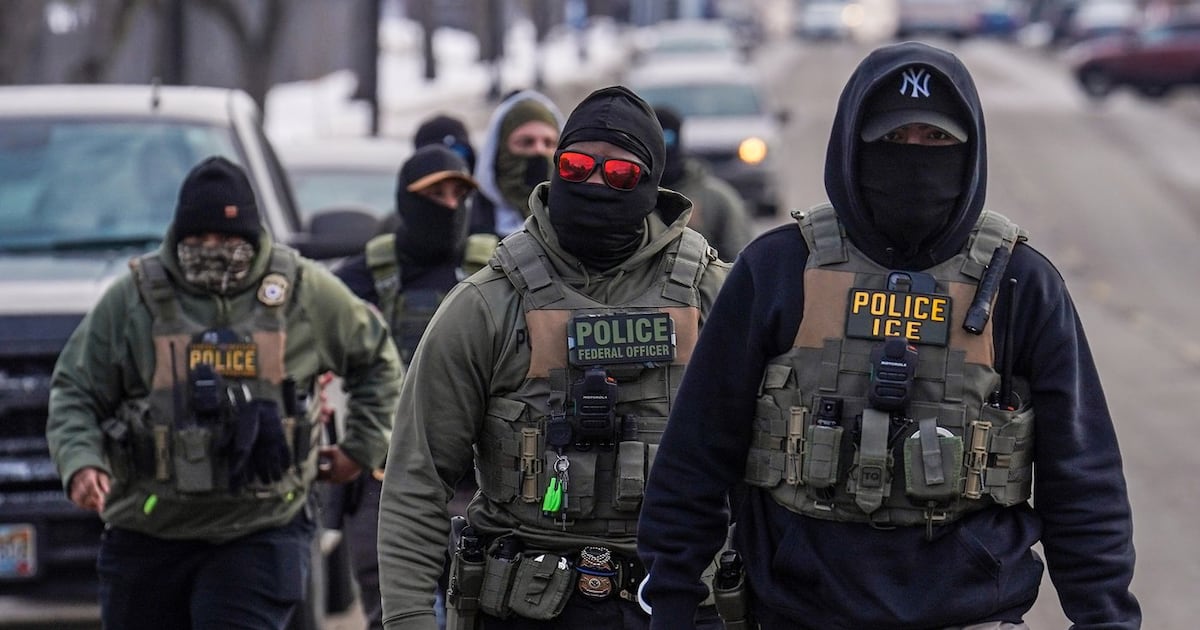
Manufacturer guidelines explicitly restrict the use of the devices as a form of punishment or against individuals displaying mere verbal defiance or belligerence. Operational protocols further prohibit deployment against vulnerable populations, including children, pregnant women, elderly individuals, and people with disabilities. To maintain authorization, officers must complete mandatory training courses and undergo recertification every two years (Associated Press).
Civil Rights Concerns and Public Scrutiny
The planned purchase has drawn immediate criticism from civil rights advocates who question the introduction of pain-compliance instruments into civil immigration operations. Jenn Rolnick Borchetta, deputy project director on policing at the American Civil Liberties Union, expressed concern that subjects targeted by the gloves might receive no advance warning before experiencing severe pain, noting that the subtle activation mechanism could obscure improper use (Associated Press).
Critics point out that federal immigration enforcement agencies already operate under intense scrutiny regarding use-of-force protocols and accountability mechanisms. While John Peters suggests that improper applications will likely remain isolated to a small fraction of users, advocacy groups contend that equipping agents with concealed shock-delivery tools increases overall risk to the public during routine field encounters (Associated Press).
Department of Homeland Security officials stated they were reviewing inquiries regarding the contract solicitation, while representatives for Compliant Technologies declined immediate comment on the federal procurement process (Associated Press). Further details regarding distribution timelines and agency policy rollouts are expected following the finalization of the procurement notice.
Keep reading