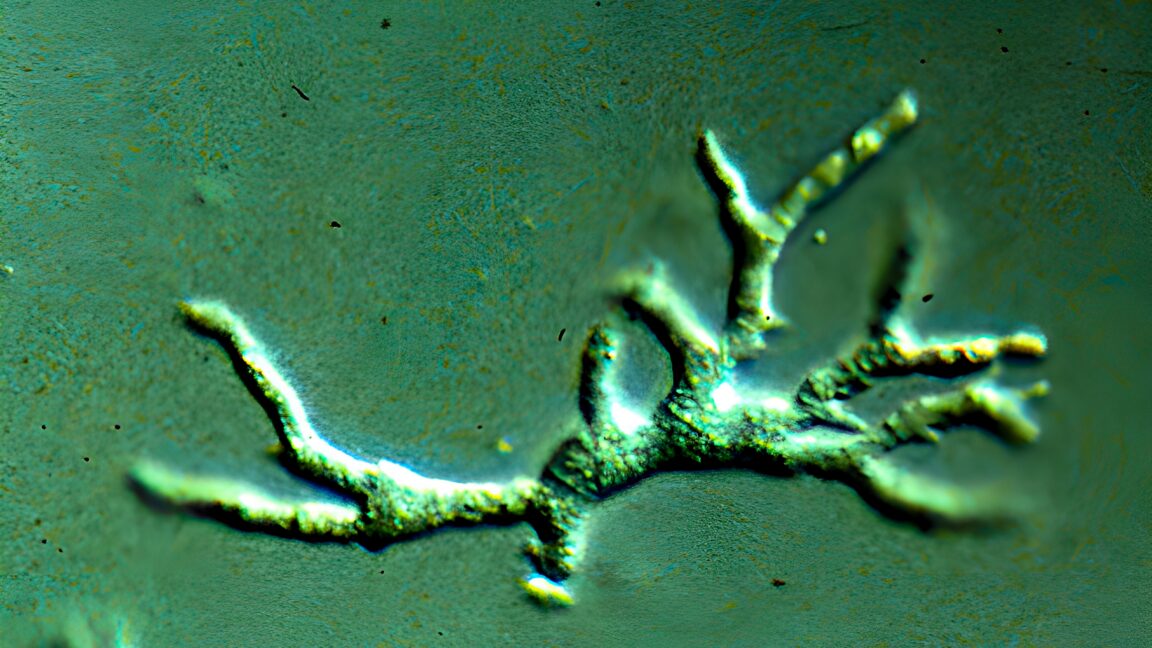
First South Carolina Amoeba Death Since 2016
A young patient in South Carolina died from a Naegleria fowleri infection—commonly known as the brain-eating amoeba—after being exposed at Lake Murray during the week of July 7. It marks the first recorded case of the rare infection in the state since 2016.
The pediatric patient received treatment at Prisma Health Children’s Hospital-Midlands. State health authorities did not publicly release the child’s exact age.
Pediatric Infectious Disease Physician Anna Kathryn Burch confirmed the hospital admission. Meanwhile, state health officials emphasized the extreme rarity of the pathogen, which thrives in warm freshwater environments during peak summer months.
Data from the DPH show that South Carolina has reported only three cases of Naegleria fowleri between 2010 and 2022. Nationwide, public health records indicate just 167 documented cases over the past 62 years. This underscores how infrequently the microscopic organism infects humans despite widespread exposure in natural bodies of water.
How the Organism Attacks the Brain
Naegleria fowleri is a free-living amoeba naturally found in warm freshwater habitats. Population growth accelerates in temperatures reaching up to 115 degrees Fahrenheit.
Bon Secours Nurse Practitioner Brandi Giles explained the infection mechanism. The pathogen feeds on bacteria and enters the human body through the nasal passages when contaminated water is forced upward under pressure.
Once inside the nose, the amoeba travels along the nerve that lets a smell up into the brain.
State health agencies stress that the infection cannot be transmitted from person to person. Exposure leads to infection only when water enters through the nose.
Health officials recommend limiting the amount of water that enters the nose.
Rapid Progression and Overwhelming Mortality
The progression of the disease caused by Naegleria fowleri is exceptionally swift and severe.
Early clinical signs are described as being similar to meningitis. Symptoms include:
Headache
Fever
Nausea
Vomiting
A stiff neck
As the infection advances within one to seven days—and occasionally up to 15 days—after exposure, patients develop neurological symptoms. These include confusion, lack of attention, loss of balance, seizures, and hallucinations.
Limited Treatment Options Hamper Research
Medical literature notes that the infection is almost always fatal. No cure for the infection exists.
Treatment protocols typically involve antifungal and sometimes antimicrobial treatments. Options remain severely limited due to the disease’s rapid onset.
Clemson Post-Doctoral Fellow Jillian McKeon works with Clemson University’s Eukaryotic Pathogens Center (EPIC). She noted that research on the pathogen remains constrained by its sheer rarity, leaving few people who work on it.
Public health authorities continue to monitor water temperatures and maintain surveillance across regional waterways during July, August, and September, when thermal conditions favor the amoeba’s growth.
Related reading