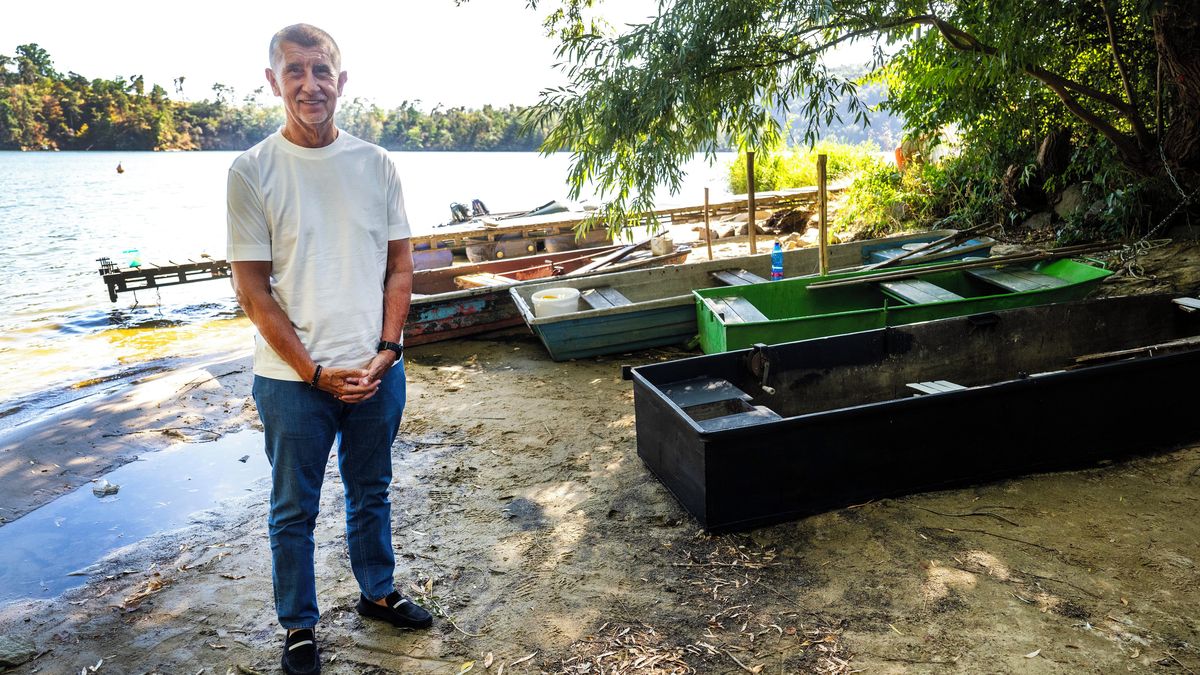
Prime Minister Andrej Babiš announced plans to reactivate the Czech Republic’s National Coalition Against Drought, citing severe hydrological conditions and prolonged high temperatures across the country. Speaking near the Slapy reservoir in the village of Županovice, Babiš stated that the government will formally discuss the revival of the interagency body on Monday, with operations slated to begin immediately.
The original coalition was established in August 2018 under then-Environment Minister Richard Brabec during a similarly intense period of dry weather. According to government officials, the multi-sector body previously brought together ministers, scientific experts, and regional representatives to draft strategic anti-drought concepts before meetings paused in 2020 due to the COVID-19 pandemic.
“My jsme tento projekt realizovali v roce 2018 a vzhledem k tomu, co se děje, tak hned v pondělí vláda projedná obnovení této koalice,” Babiš said on Thursday, according to domestic reports covering the announcement. The prime minister added that the refreshed coalition will coordinate immediate measures across ministries to protect water resources and accelerate agricultural and infrastructure defenses.
Immediate Funding and Budget Priorities for Water Projects
To support the renewed anti-drought strategy, the Czech government plans to allocate four billion korunas toward vital water management projects, according to statements from Agriculture Minister Martin Šebestyán. The funding is earmarked for interconnecting water supply networks, enhancing landscape water retention, constructing small water reservoirs and ponds, and implementing agricultural irrigation measures.
A portion of the budget will also finance initial pre-construction work for larger planned water engineering works, including land purchases, project documentation, and preliminary field operations at the Nové Heřminovy site in the Bruntál region, Kryry in the Louny region, and Vlachovice in the Zlín region. Babiš emphasized that next week’s upcoming state budget negotiations will treat water security as a priority.
“Příští týden se vyjednává o rozpočtu, takže ano, bude to priorita,” Babiš noted, stressing that state finances must accommodate both long-term reservoir construction and localized landscape retention initiatives.
Legislation to Designate Water as a Public Interest
Alongside funding allocations, Agriculture Minister Šebestyán confirmed that the government intends to advance specialized legislation during the fall legislative session. The proposed bill aims to formally designate water as a matter of public interest and provide a clear regulatory framework for the construction of 20 new water reservoirs across the Czech Republic.
“Už jsme projednali náš speciální zákon na budování dvaceti nových vodních děl v České republice, protože tady za třicet let nevzniklo žádné vodní dílo,” Šebestyán explained during the Thursday press briefing at Slapy. Officials pointed out that the upcoming legislative package is designed to cut through administrative delays and fast-track the creation of essential water infrastructure.
Petr Kubala, general director of the state-run Povodí Vltavy enterprise, noted earlier in the week that the current hydrological drought is exceptionally intense and long-lasting.
Agricultural and Environmental Impacts
The compounding effects of the dry spell have placed severe pressure on agriculture, fisheries, and regional ecosystems. In the Morava river basin, certain areas have received only 50 to 70 percent of their long-term average precipitation since the beginning of the year, according to environmental monitoring data reported by ekolist.cz.
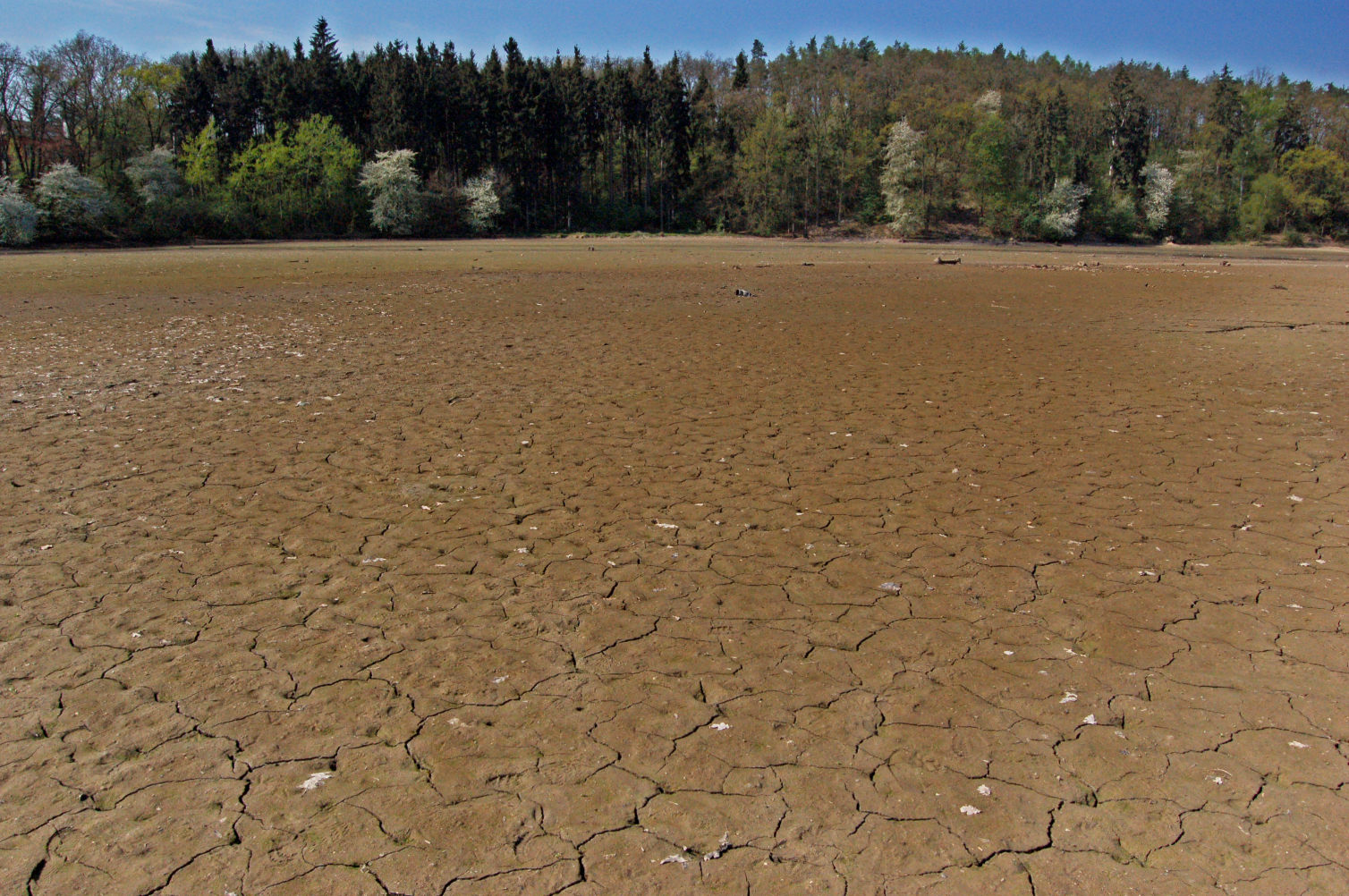
Fisheries have reported heightened risks of fish mortality in smaller water bodies, particularly in the Olomouc region, where elevated water temperatures and depleted oxygen levels threaten aquatic life. Meanwhile, agricultural producers face severe shortages of animal feed and livestock watering supplies, heightening concerns over potential drops in this year’s harvest yields.
Government ministers from the agriculture and environmental portfolios are scheduled to deliver a comprehensive public update on Monday, detailing ongoing administrative and operational responses to the worsening dry conditions following the cabinet’s first formal meeting after a two-week recess.
Related reading