The geopolitical turbulence centered on the Strait of Hormus has drawn sharp international parallels to past American administrations, as global energy markets grapple with ongoing supply disruptions. According to international reporting, current developments surrounding maritime transit and diplomatic standoffs evoke comparisons to the 1979 Iran hostage crisis that defined the presidency of Jimmy Carter.
Historical accounts from analysts document how the collapse of the U.S.-Iran alliance during the late 1970s triggered a lasting economic and political reckoning for Washington. Today, contemporary foreign policy observers note that modern administrations face parallel challenges in managing strategic waterways and navigating high-stakes regional tensions in the Persian Gulf.
The Historical Echo of 1979
Nearly five decades ago, the overthrow of Shah Reza Pahlavi and the subsequent rise of Ayatollah Khomeini upended American foreign policy in the Middle East. As detailed in historical analyses of the era, the crisis began when followers of Khomeini seized the U.S. Embassy in Tehran, holding dozens of American citizens captive for 444 days.
That prolonged standoff unfolded across nightly television broadcasts, intertwining in the public consciousness with surging inflation, climbing interest rates, and soaring gasoline prices. The confluence of events conveyed a sense of national drift, ultimately contributing to Jimmy Carter’s defeat in the 1980 presidential election against Ronald Reagan.
Strait of Hormus and Global Energy Pressures
In the current geopolitical climate, maritime commerce through the Strait of Hormus remains a critical focal point for international trade and energy security. According to recent energy assessments, disruptions in these vital shipping lanes have placed persistent upward pressure on global petroleum supplies and consumer costs.
Economic analysts point out that prolonged instability in the Persian Gulf directly impacts fuel prices worldwide, echoing the economic vulnerabilities exposed during past Middle Eastern crises. Governments and energy agencies continue to monitor transit volumes closely as diplomatic efforts seek to secure safe passage for commercial vessels.
Economic Fallout and Domestic Pressures
Domestic economic indicators in major industrial nations often reflect the immediate fallout of foreign policy crises. Observers note that sustained tensions in oil-producing regions tend to complicate central bank efforts to tame inflation and stabilize consumer prices.
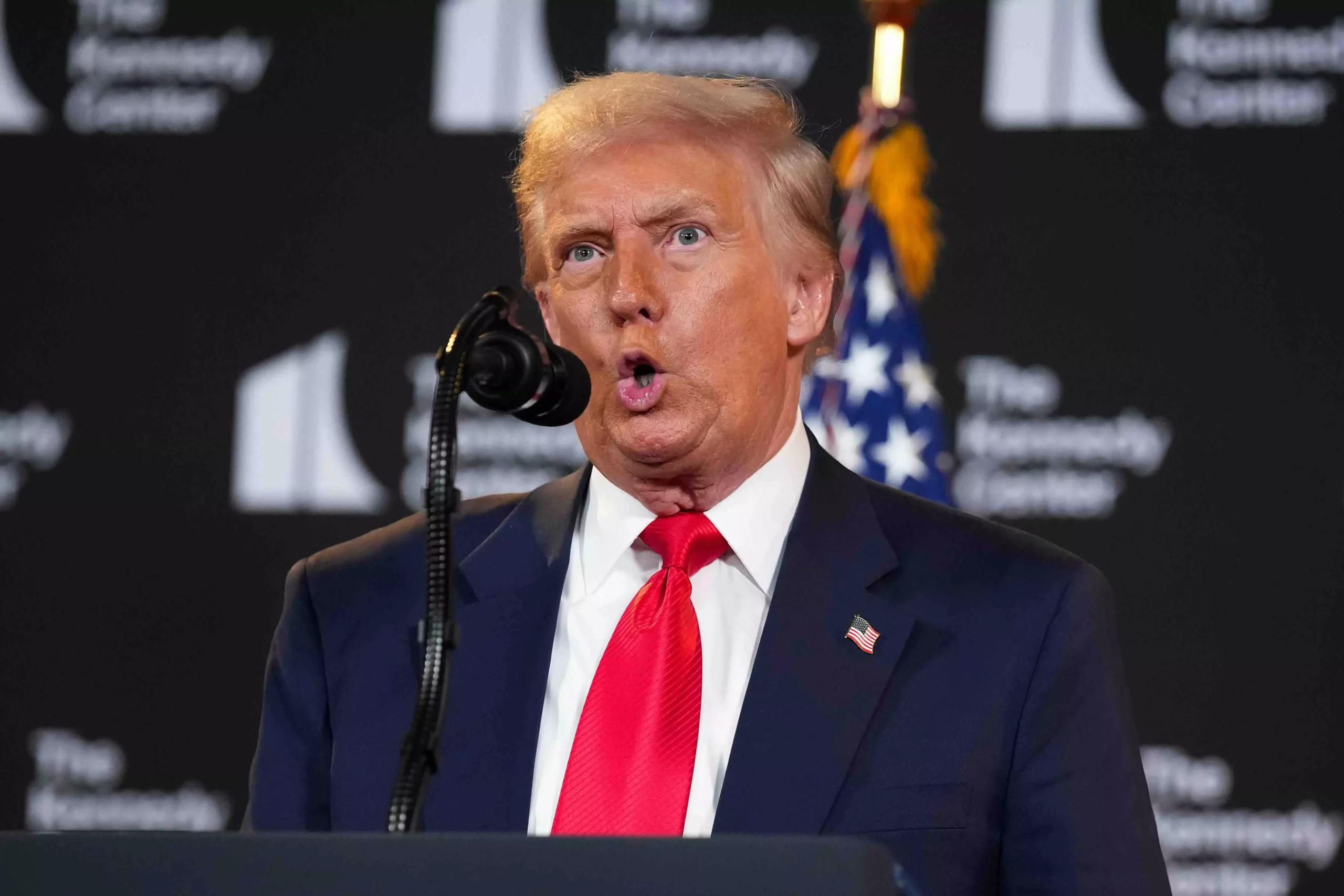
Voters frequently connect high energy and grocery costs directly to the executive branch’s handling of international conflicts, creating a challenging political environment for leaders facing upcoming electoral tests.
Next Steps and Official Monitoring
We invite our readers to share their perspectives on these developments in the comments below and share this article across your networks.
Related reading