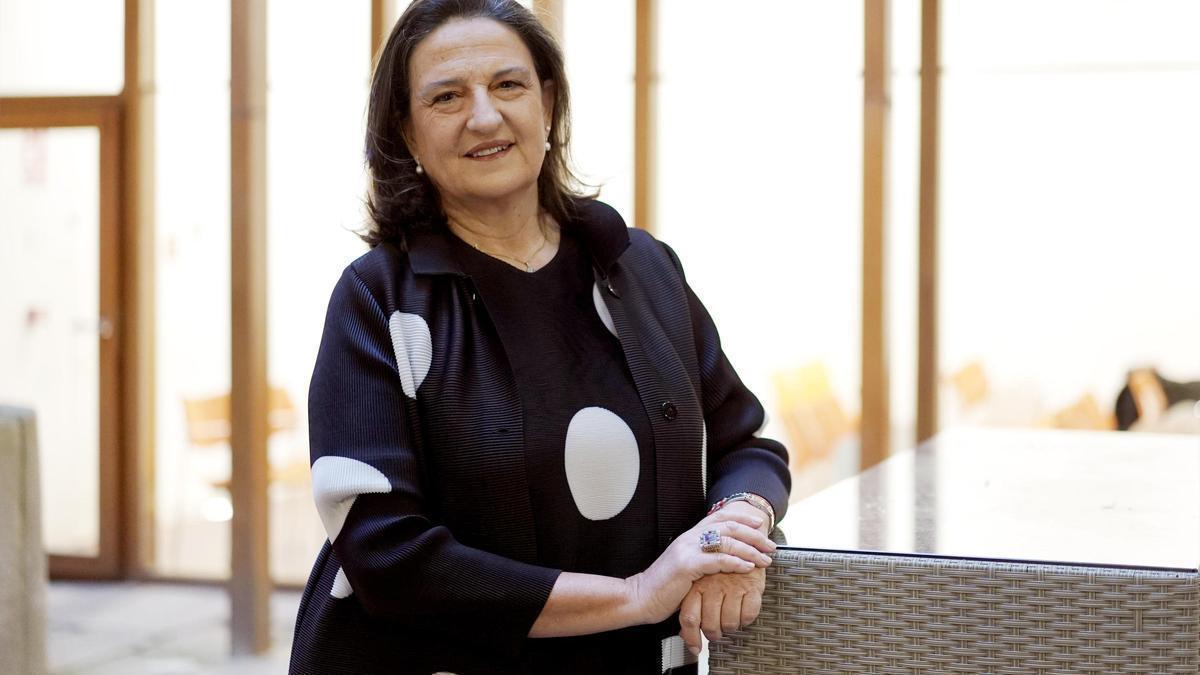
Microbiota health requires looking closely at daily habits, lifestyle factors, and the timing of lifestyle choices rather than relying exclusively on continuous supplement routines, according to Dr. María Dolores de la Puerta, a Spanish physician and specialist in intestinal microbiota, who has outlined key concepts regarding how individuals manage gut health, addressing common misconceptions about probiotics and daily wellness routines.
In recent commentary detailing her clinical perspective and her book Un intestino feliz—which has reached its seventh edition in Spain—Dr. De la Puerta emphasizes that the human body functions as a unified system alongside its resident microorganisms. According to her published findings and interviews, the millions of microorganisms inhabiting the human body influence far more than simple digestion, playing a vital role in immune function, stress response, and mental well-being.
The distinction between evidence-based lifestyle adjustments and commercial wellness trends forms a central pillar of the expert’s clinical approach. As public interest in gut health surges across pharmacies and supermarkets, medical professionals are increasingly drawing attention to the gap between marketing claims and clinical reality.
Understanding Probiotics: A Temporary Tool, Not a Permanent Habit
One of the most frequent errors observed in medical practice is the continuous, uncritical consumption of probiotics without a clear therapeutic goal. According to Dr. De la Puerta, speaking on a medical podcast hosted by Dr. José Abellán and reported by Women’s Health, these supplements should not be viewed as lifelong daily staples.
“Si quieres una microbiota sana, probablemente no necesites vivir tomando probióticos,” explained Dr. De la Puerta, noting that probiotics are living microorganisms designed to help correct specific imbalances rather than replace a healthy diet. She characterizes them as tools intended to “sacarte de un sitio”—to help navigate transient periods of stress, dietary changes, or routine disruption.
Rather than adopting a universal supplement regimen, the expert advises evaluating individual lifestyle factors. Purchasing probiotic capsules at random based on social media recommendations often yields little benefit if underlying issues like poor sleep, chronic stress, or diets deficient in fiber remain unaddressed.
The Intestinal Ecosystem and the Gut-Brain Connection
The study of intestinal microbiota represents a significant paradigm shift in medicine. Having studied the microbiota for 24 years, Dr. De la Puerta began investigating gut microbiology during an era when scientific literature on the subject was scarce. In an interview published by La Tercera, she recalls facing skepticism from medical colleagues who initially dismissed the field as unorthodox.

Today, clinical evidence supports the concept that the gut and the body operate as a unified functional unit. This axis helps explain physiological responses such as gastrointestinal distress during periods of acute anxiety or the sensation of nervous anticipation. Research indicates that the intestine is permanently storing information, remembering, feeling and thinking for itself, challenging the traditional view that cognitive and emotional processing occurs exclusively in the brain.
Practical Pillars for Maintaining Intestinal Balance
Achieving and maintaining a diverse, resilient microbial ecosystem requires consistent daily practices rather than quick fixes. Dr. De la Puerta emphasizes several core elements that influence microbial diversity:

- Prioritizing dietary quality, particularly an adequate intake of fiber from fresh fruits, vegetables, and legumes.
- Managing psychological stress and ensuring restorative sleep patterns.
- Engaging in regular physical activity.
- Using targeted supplementation during demanding life phases.
As research into the human microbiome continues to advance, medical authorities emphasize that sustainable digestive health rests on foundational lifestyle habits rather than isolated commercial products.
Worth a look