California regulators have officially cleared the path for the largest Internet Service Provider consolidation in the United States, voting unanimously on Thursday to approve Charter Communications’ $34.5 billion acquisition of Cox Communications, according to Broadband Breakfast. The decision by the California Public Utilities Commission (CPUC) removes the final regulatory hurdle required for the massive cable merger to close. Under the terms of the approved order, the combined entity will operate under the Cox brand name despite being acquired by Charter, cementing a massive footprint that reaches more than 70 million passings and serves over 35 million broadband subscribers nationwide.
The unanimous vote by all five CPUC Commissioners adopted an alternate decision put forward by Commissioner Matthew Baker. This version was backed by the companies over an alternative proposal from the agency’s administrative law judge, Jamie Ormond, which would have imposed significantly stricter rural deployment and low-income service mandates. The approved framework incorporates two major settlement agreements forged between the telecommunications firms and state consumer advocates, including the CPUC’s public advocacy office, CalAdvocates. These stipulations are designed to secure direct benefits for millions of California consumers as the corporate integration moves forward.
Among the primary provisions of the settlement is a $275 million commitment toward localized network upgrades across the state. In addition, the newly combined company must introduce and maintain a $20 monthly broadband plan tailored for eligible low-income households. Regulators noted a crucial adjustment in this tier: new subscribers signing up for the low-income option will not face a requirement to prove they went without internet service during the previous month, addressing a key concern raised by non-settling advocacy groups during the administrative proceedings.
Regulatory Conditions and Consumer Commitments
To satisfy state oversight, the merged ISP must actively participate in California’s low-income broadband subsidy program for a mandatory duration of five years. The agreement also directs $30 million toward digital adoption initiatives, funds that will be administered through the California Emerging Technology Fund, a nonprofit organization that participated as a settling party in the regulatory review. Furthermore, the CPUC’s approved order mandates that the company equip subscribers with 72-hour backup batteries to maintain internet and phone connectivity during local power outages, rejecting a company request to phase in the battery requirement over an extended timeline.
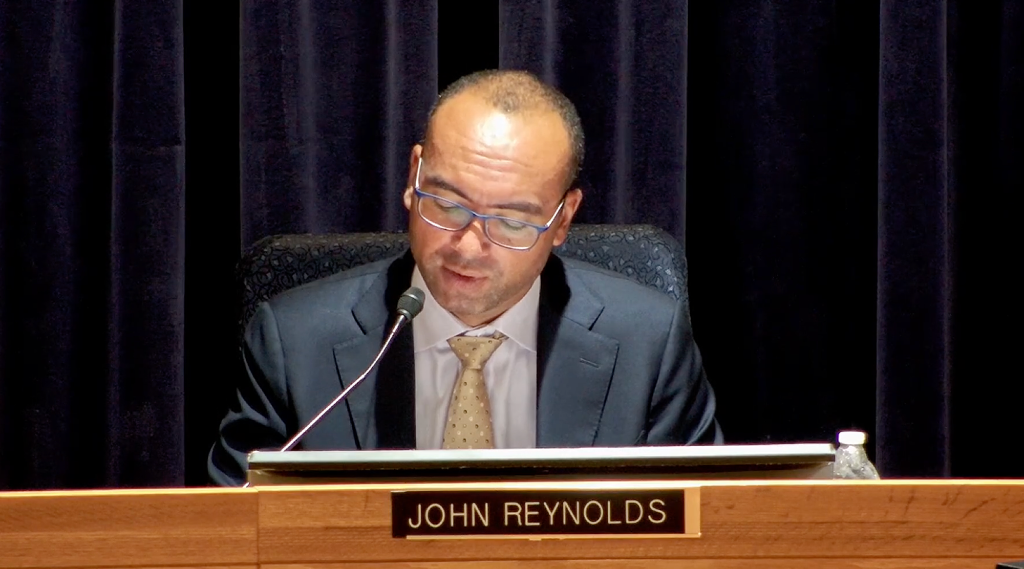
CPUC President John Reynolds emphasized the agency’s supervisory role following the historic vote. “We’ll have our work cut out for us in ensuring these benefits are achieved,” Reynolds stated during the Thursday hearing, adding that agency staff will strictly monitor and enforce compliance with all settlement terms to guarantee improved service quality for Californians.
Commissioner Darci Houck supported the settlement-focused approach, noting that the negotiated terms achieved substantial consumer protections without the need to impose excessive extra conditions that might complicate deployment. However, other commissioners urged vigilance regarding state pricing rules. The approved order requires the combined company to apply any promotional pricing uniformly across the entire state unless a localized discount is introduced specifically to counter a regional competitor. Commissioner Christine Harada cautioned that the agency must closely monitor this provision to prevent loopholes that could allow standard promotions to masquerade as localized competitive responses.
Clearing the Final Hurdle Before Federal Deadlines
The California vote was critical to keeping the transaction alive. The merger had already secured clearance from the Federal Communications Commission months prior, leaving the CPUC as the final roadblock to completion. Federal antitrust approval from the Department of Justice had been granted the previous year, but that clearance carried an expiration date that would have forced a disruptive and time-consuming re-review if the California regulators had failed to act on Thursday.
Financial disclosures filed earlier in the month with the Securities and Exchange Commission highlighted the financial standing of both companies heading into the merger. Cox generated $6.6 billion in revenue during the first half of the year, compared to $27 billion for Charter. While detailed subscriber counts for Cox were not updated in the SEC filings, industry analysis from MoffettNathanson founder Craig Moffett indicated that Cox had been actively lowering pricing tiers to combat subscriber erosion, a broader challenge facing traditional cable operators amid shifting consumer viewing and connectivity habits.
With the CPUC order now formally adopted, the companies will proceed with closing the transaction.
Keep reading