Federal judge Emmet Sullivan has signaled mounting frustration with Department of Justice attorneys over their handling of investigative files tied to the late sex offender Jeffrey Epstein. District Judge Sullivan pressed government lawyers to explain extensive redactions and withheld materials, warning that the public retains a fundamental right to understand the government’s handling of the records.
The legal confrontation stems from a lawsuit filed by journalist Katie Phang, who accused the government of violating the Epstein Files Transparency Act, legislation signed into law last year (Independent). The complaint names Acting Attorney General Todd Blanche and targets federal obstruction of public access to documents connected to multi-year investigations into Epstein’s network.
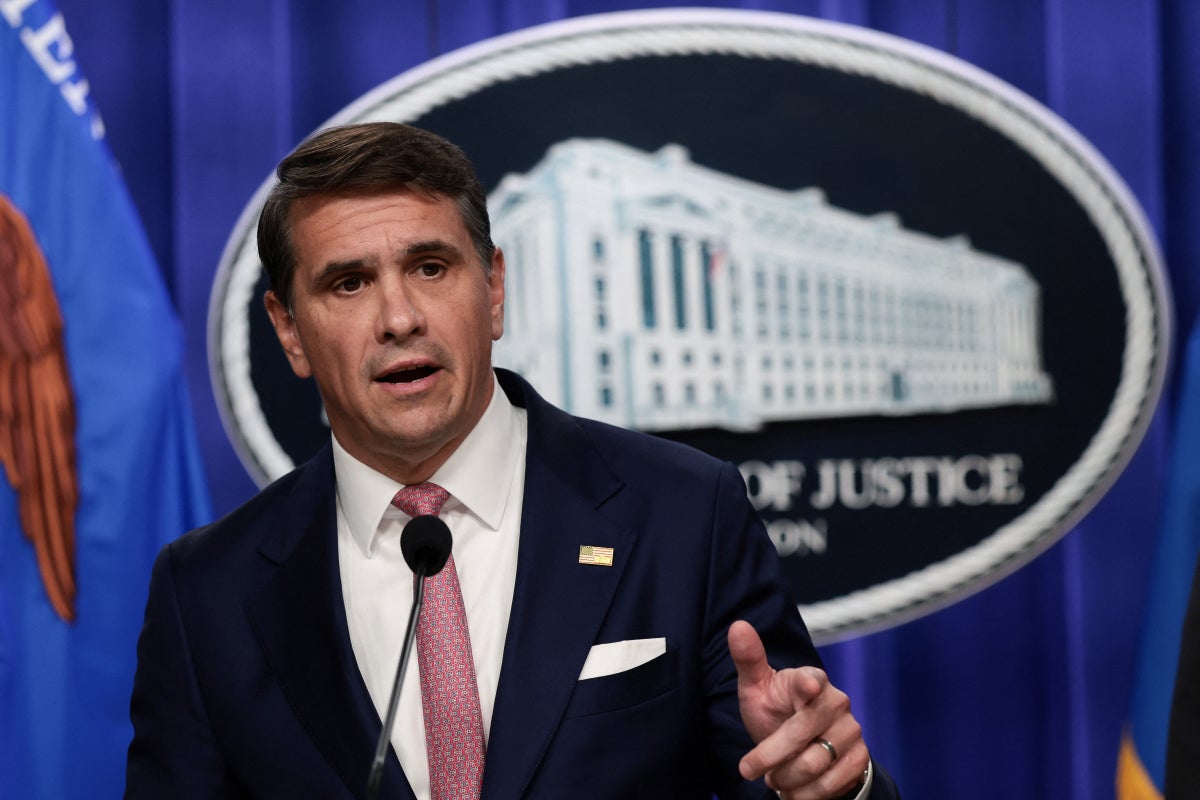
Attorney General Stanley Woodward asked the court to grant a two-month delay. Alternatively, Woodward asked Judge Sullivan to dissolve the production order entirely by accepting the Justice Department’s written justifications for withholding the files (Independent).
In court filings submitted on a Thursday night, Woodward asserted that the Justice Department remains committed to transparency while simultaneously registering strong disagreement with the judge’s directives (Independent). DOJ lawyers maintained that the agency has not knowingly violated the transparency statute and continues working to fulfill statutory requirements under the law.
“As will become apparent, it would contravene the settled application of the law for the Department to produce unredacted versions of many of the records at issue, and nothing requires that result,” Woodward wrote in the court filing (Independent). Government attorneys explained that certain interview notes involving investigators and a woman who raised unsubstantiated assault claims regarding Donald Trump were excluded because they were duplicative of existing typewritten reports. Federal officials reiterated that the president has not been accused of any criminal wrongdoing.
Protection of Survivor Privacy and Technical Challenges
Government lawyers defended additional redactions by pointing to the necessity of protecting the personal identifiable information of victims and survivors. Woodward noted that handwritten documents complicate standard redaction workflows, creating a heightened risk of accidental disclosures due to technical limitations in running quality control checks (Independent).
Furthermore, investigators informed the court that they could not locate an unredacted copy of a 2007 draft indictment prepared by federal prosecutors in Florida. That draft stems from the period when Epstein secured a controversial non-prosecution agreement that allowed him to plead guilty to lesser state charges to avoid severe federal prison time. A partially redacted version of that draft surfaced earlier this year, but prosecutors stated they can no longer find a clean photocopy (Independent).
Legal Precedents and Upcoming Court Actions
The Justice Department initially characterized Judge Sullivan’s previous disclosure order as perverse, arguing through a spokesperson that the ruling risked driving misleading headlines and pushing the agency to expose sensitive survivor identities (Independent). However, legal filings clarify that the court’s order did not mandate the release of survivors’ names, but rather instructed attorneys to provide adequate legal justification for existing redactions and to produce supporting administrative records (Independent).
As the legal battle continues in federal court, Judge Sullivan is expected to review the government’s latest request for a timeline extension or file dissolution.
What are your thoughts on transparency laws and government document disclosures? Share your perspective in the comments below, and share this report to join the global conversation.