Recent archaeological and genetic data have pinpointed the geographic crossroads where ancient Homo sapiens interbred with Neanderthals, centering the historic encounters around the Zagros Mountains along the borders of modern-day Iran, Iraq, and Turkey. Researchers tracking the spatial distribution of early human populations found that this rugged topography provided an ideal habitat where both hominin groups coexisted, sharing biological and environmental niches during shifting Ice Age climates.
The Zagros region served as a vital ecological bridge connecting the cold Palearctic zone of the north with the warmer Afrotropis realm of the south. According to scientific findings examining regional artifacts and DNA distributions, this environmental diversity offered ample sustenance and shelter, bringing modern humans and Neanderthal populations into close contact. These interactions left a permanent mark on human history, as genetic mapping has established that non-African modern human genomes retain between 1 and 4 percent Neanderthal ancestry.
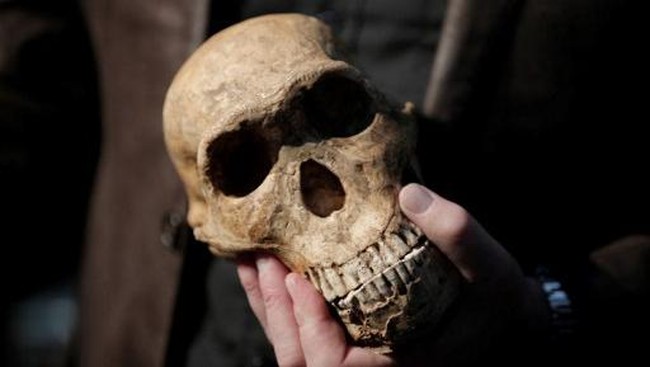
While the Zagros Mountains illuminate the broader landscape of prehistoric interbreeding, separate fossil evidence from the Levant offers a chronological anchor for these early encounters. Excavations in Israel, including analyses led by researchers from Tel Aviv University and France’s National Centre for Scientific Research, have documented skull fossils exhibiting mixed anatomical traits of both Homo sapiens and Neanderthals.
Tracing the Zagros Crossroad and Ice Age Migrations
The identification of the Zagros range as a primary contact zone emerged from detailed geographic distribution models mapping where prehistoric populations overlapped. This geographic convergence facilitated the genetic exchanges that continue to influence human biology today.
Genetic studies over the past decade have clarified how this shared ancestry manifests in contemporary populations. Neanderthal DNA integrated into the Homo sapiens genome continues to influence physical traits and physiological responses, ranging from skeletal structures like larger noses to specific immune sensitivities, including vulnerability to Covid-19.
Early Interbreeding Evidence in the Levant
Complementing the geographical data from the Zagros range, fossil discoveries in the Levant provide concrete physical evidence of early coexistence between the two hominin groups. According to Israel Hershkovitz of Tel Aviv University, analyzing hominin remains from sites such as the Skhul Cave on Mount Carmel and Nesher Ramla demonstrates that interbreeding occurred much earlier than previously assumed.
Research published on these Levantine finds indicates that early modern human dispersal out of Africa occurred in multiple waves over hundreds of years rather than a single migration event. Skulls recovered from these sites display a blend of modern human globular braincases with robust Neanderthal-like jaws and ear structures, pointing to prolonged and complex interactions across the Middle East.
Genomic Legacy Across Modern Populations
Although the earliest direct contact fossil evidence in regions like Israel dates back thousands of years, genetic mapping demonstrates that subsequent waves of interbreeding occurred in later millennia. These later interactions contributed the bulk of the Neanderthal sequences found in non-African genomes today.

Scientists continue to evaluate archaeological data from both Western Asia and European sites, such as Portugal’s Lapedo Valley, to map the full chronology of hominin interactions. As ongoing laboratory analyses refine genomic databases, researchers aim to uncover further details regarding how these ancient genetic exchanges shaped the adaptability and survival of modern humans.
Keep reading