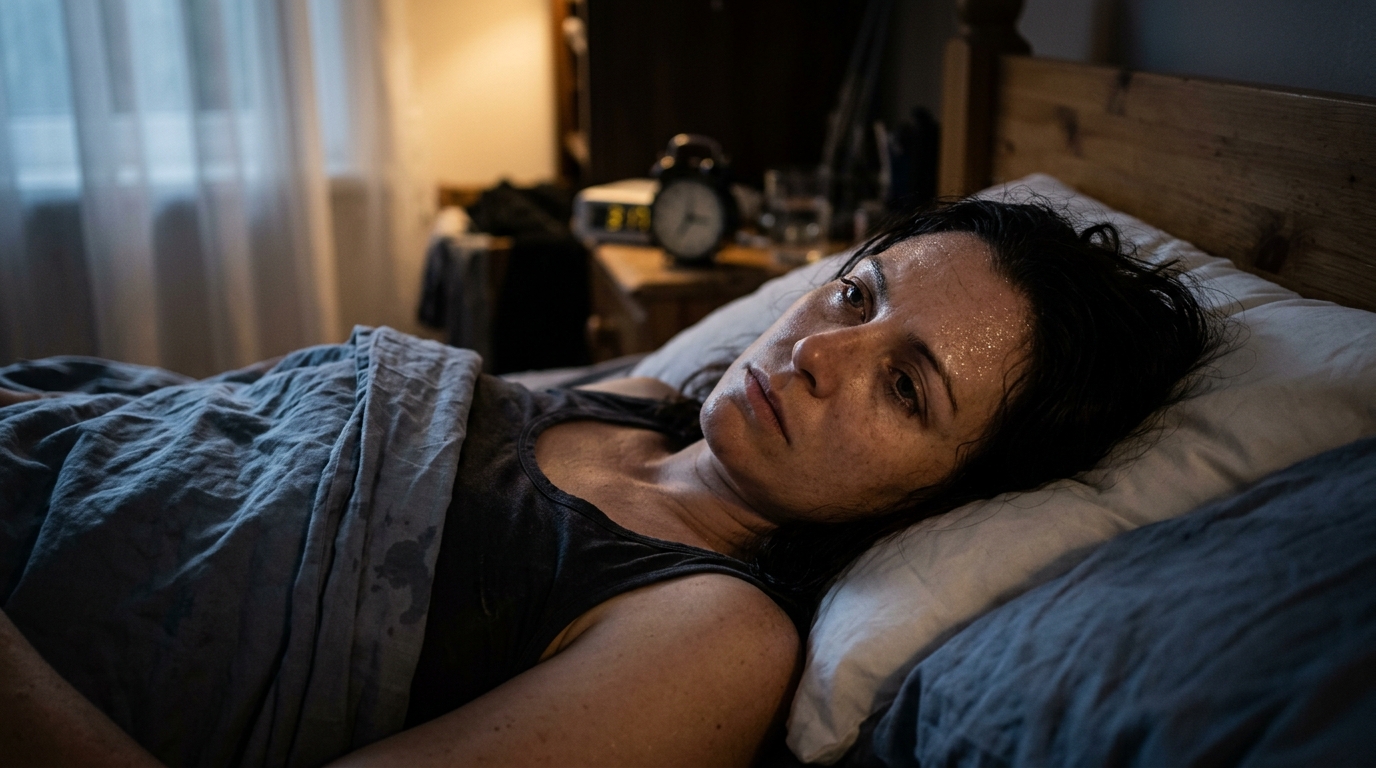
The Severe Warning Signs of Drenching Nocturnal Perspiration
Night sweats that completely drench pajamas and bedsheets can serve as critical indicators of underlying medical conditions, including certain forms of cancer, according to recent medical warnings issued by health professionals. While nocturnal perspiration is frequently linked to benign factors such as room temperature, stress, menopause, or common infections, persistent and drenching night sweats require professional medical evaluation.
Dr. Suhail Hussain, a general practitioner writing in media coverage reported by outlets such as pourquoidocteur.fr, explains that cancer-related night sweats are distinctly severe. According to Dr. Hussain, “The sweats associated with cancer literally soak you, and you can wake up with your pajamas and sheets drenched in sweat.” When linked to malignancies, this excessive perspiration persists over time and typically presents alongside other systemic symptoms.
Recognizing Malignancies and Associated Systemic Red Flags
Medical professionals emphasize that isolated night sweats rarely point directly to a severe diagnosis. However, when excessive nocturnal perspiration persists without an obvious environmental cause, patients should monitor for accompanying red flags. Dr. Hussain notes that cancer-related night sweats are frequently accompanied by persistent fatigue, a lack of energy, unexplained pain, bruising, or the swelling of lymph nodes.
Data from public health authorities and medical specialists indicate that cancers most commonly associated with drenching night sweats include leukemia and lymphoma, which are malignancies affecting the blood and lymphatic system. Additionally, neuroendocrine tumors such as carcinoid tumors can trigger severe sweating episodes by disrupting normal hormonal functions within the body. Patients experiencing prolonged hypersudation alongside systemic symptoms are advised to consult a general practitioner for diagnostic testing.
Distinguishing Benign Triggers and Medication Side Effects
Not all nocturnal perspiration indicates a serious pathology. According to France’s Assurance Maladie, excessive sweating can stem from autonomic nervous system dysregulation, which causes sweat glands to overproduce moisture. Genetic factors and certain pharmaceutical treatments, including specific types of antidepressants, are also documented catalysts for night sweating.
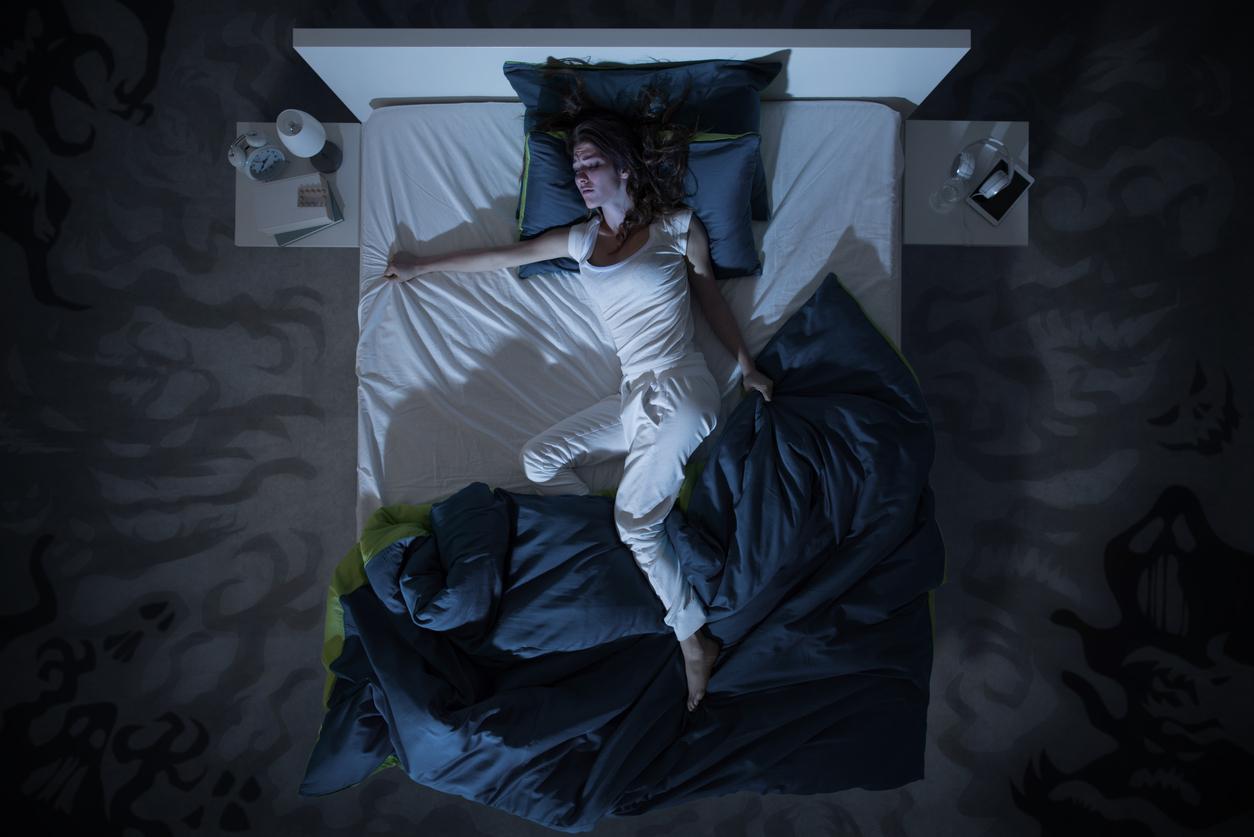
Environmental Adjustments and Daily Habit Management
Furthermore, lifestyle choices and environmental factors heavily influence nocturnal temperature regulation. Pharmacist networks such as Giphar recommend maintaining a cool bedroom environment, ideally between 17 and 18 degrees Celsius, and avoiding vigorous physical activity immediately before bedtime. Dietary habits also play a role; consuming heavy or spicy meals, alcohol, or stimulating beverages in the evening can increase metabolic heat and provoke sweating.
Diagnostic Evaluation and Primary Care Consultation
Anyone experiencing persistent, unexplained night sweats should schedule an appointment with a primary care physician to rule out infections, hormonal shifts, or more serious underlying disorders. Readers are encouraged to share their experiences or questions in the comments section below.
Keep reading