New research indicates that male circumcision performed just after birth does not increase a child’s risk of developing autism. The comprehensive study, published online in JAMA Pediatrics, analyzed nationwide child health data to address lingering public questions regarding the safety of the common neonatal procedure.
Public discussions and media reports over recent years resurfaced older observational claims from 2013 and 2015 that had hinted at a possible connection between newborn circumcision and neurodevelopmental outcomes. To investigate these concerns using robust, contemporary data, investigators turned to the Environmental influences on Child Health Outcomes (ECHO) Cohort study, a large-scale nationwide initiative supported by the National Institutes of Health.
“Parents have been concerned about this potential circumcision-autism connection, but hopefully these findings may help allay their fears,” says senior author Monica McGrath, a research professor in the Department of Epidemiology at the Johns Hopkins Bloomberg School of Public Health and director of the ECHO Data Analysis Center, as reported by Johns Hopkins University.
Examining Nationwide Child Health Data
The investigation evaluated information gathered from 2,771 boys enrolled across 14 different ECHO study sites located throughout the United States. Among the participants, approximately 66%, or 1,840 boys, underwent circumcision prior to being discharged from the maternity hospital. Overall, roughly 7%, or 192 participants, carried a documented or parent-reported autism diagnosis at a mean age of 3.8 years.
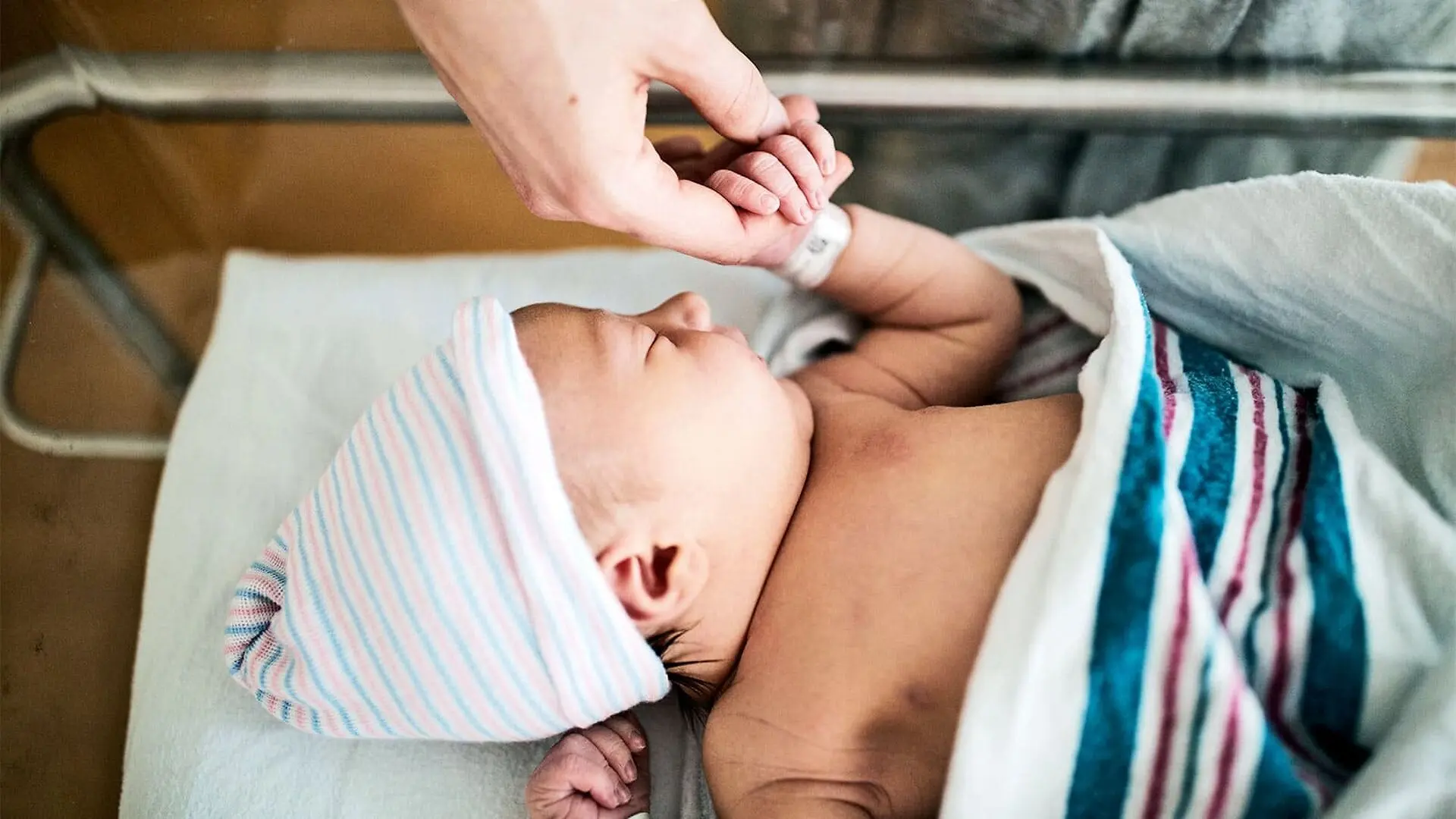
When breaking down the raw numbers, researchers found that the incidence of an autism diagnosis among boys who received a neonatal circumcision was 6%, accounting for 108 of the 1,840 boys in that group. By comparison, the autism risk among uncircumcised boys stood at 9%, representing 84 of the 931 boys in that category. However, after adjusting the statistical models to account for vital confounding variables—such as parental age and a documented family history of autism—the research team identified no significant association between the procedure and the later diagnosis of autism.
“We observed no association between circumcision and autism in boys, but it remains important to evaluate the safety of common medical procedures,” McGrath notes, according to findings detailed by the Johns Hopkins Bloomberg School of Public Health.
Broader Context on Diagnosis Trends and Newborn Care
The timing of the research coincides with shifting trends in both clinical practice and public health reporting across the United States. While newborn circumcision rates have experienced a gradual decline nationwide over recent decades, the overall volume of diagnosed autism cases has risen significantly. According to reports from the Centers for Disease Control and Prevention, roughly one child in 150 received an autism diagnosis in the year 2000. By 2022, CDC surveillance data indicated a prevalence of one child in 31 among eight-year-olds.

Public health experts emphasize that it remains unclear whether these shifting figures reflect a genuine rise in the biological prevalence of autism or if the higher numbers are largely driven by expanded public awareness, broader developmental screening, and more accessible diagnostic services. Prompted by renewed public debate and media coverage regarding infant health last year, McGrath and her colleagues recognized that the ongoing ECHO Cohort dataset offered a unique opportunity to provide definitive answers.
“We knew we had the data to help investigate this question,” McGrath explains, as noted by Biosciences. In addition to examining circumcision status, the team also reviewed records for neonatal exposure to acetaminophen during the procedure or early infancy. Investigators reported that such exposure occurred in less than 5% of cases, a frequency too low to permit a meaningful statistical analysis of its potential association with autism outcomes.
Next Steps for Child Health Research
Following the publication of these findings in JAMA Pediatrics, researchers affiliated with the ECHO Cohort study continue to analyze other factors that may contribute to the rising number of autism diagnoses nationwide. The research team intends to pursue additional investigations into early childhood health indicators, providing families and clinicians with evidence-based guidance as new data emerge from ongoing national health initiatives.
Readers seeking further information on child development or ongoing clinical studies can review updates released directly through the National Institutes of Health and academic medical centers participating in the ECHO program. We welcome your thoughts and perspectives on this study—please feel free to share and discuss this report in the comments below.