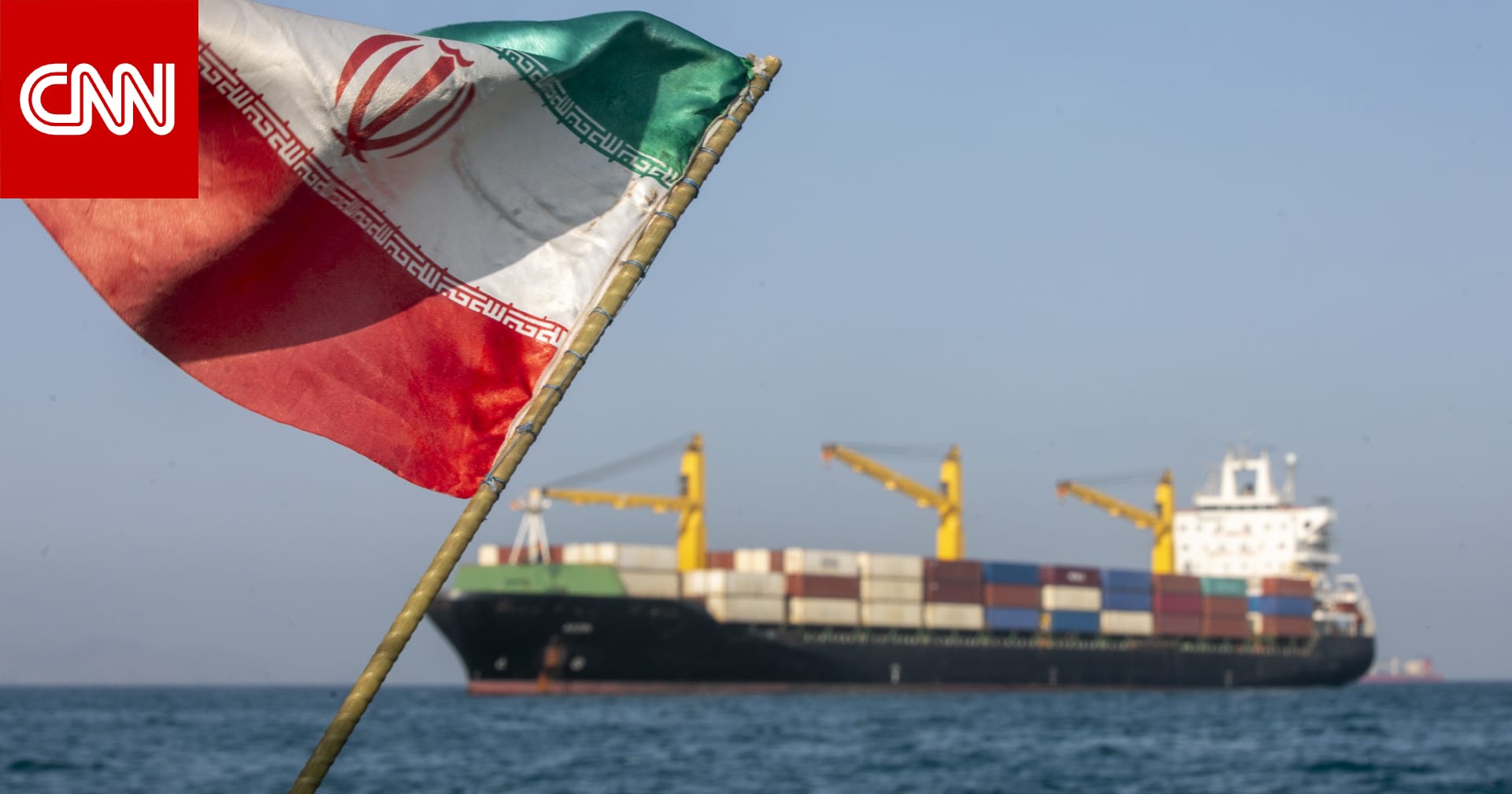
Iran has issued a sharp rejection of a proposal floated by U.S. President Donald Trump regarding the strategic Strait of Hormuz, setting off a fresh diplomatic and geopolitical standoff. Kazem Gharibabadi, Iran’s deputy foreign minister, stated in the early hours of Saturday that the international waterway cannot be seized by executive order, social media posts, or military display.
The exchange highlights friction between Washington and Tehran over maritime security and regional influence. While the United States points to low-level diplomatic contacts, Iranian officials maintain that no formal negotiations on resuming talks have been decided.
Tehran Rejects U.S. Maritime Claims
The diplomatic friction intensified following remarks by President Trump regarding control of the Strait of Hormuz. Speaking before a crowd at an event in Nassau County, New York, Trump declared that the U.S. would enforce a blockade, asserting that no vessels would pass unless authorized by Washington.
Responding to those comments, Iranian Deputy Foreign Minister Kazem Gharibabadi issued a formal statement rejecting any notion of American territorial annexation or control over the waterway. “The Strait of Hormuz cannot be seized by a tweet, an aircraft carrier, an executive order, or an election speech,” Gharibabadi said in his statement, adding that Iran is not intimidated by threats or displays of power.
Gharibabadi further asserted that the passage would be opened or closed exclusively under Iranian authority. He maintained that Tehran would continue to impose a blockade as long as foreign actors refused to accept the reality of defeat and abandon their illusions. Declaring this international waterway as U.S. territory would require deploying forces in the region for an indefinite period, despite Trump’s previous pledge that a war with Iran would be short-term.
Status of Diplomatic Channels and Mediation
Parallel to the maritime dispute, uncertainty surrounds the diplomatic track between Washington and Tehran. Iranian Foreign Minister Abbas Araghchi clarified that Tehran has not yet reached a decision regarding the resumption of formal negotiations with the United States.
The clarification follows statements made earlier in the week by Trump, who told the Axios news site that the U.S. was engaged in low-level, partial discussions with Iranian counterparts. Addressing those claims, Araghchi acknowledged that intermediaries in Qatar and Pakistan have been exchanging messages. However, the Iranian foreign minister emphasized that these interactions do not rise to the level of negotiations.
Strategic Stakes in the Strait of Hormuz
The Strait of Hormuz serves as a critical choke point for global energy markets. Any sustained escalation or threat of blockade directly impacts international shipping lanes.
Intermediaries work to maintain communication lines, while neither side has signaled a retreat from its stated positions on maritime sovereignty and diplomatic engagement.
Further updates on diplomatic exchanges or regional security measures are expected as intermediaries continue their outreach.
Keep reading