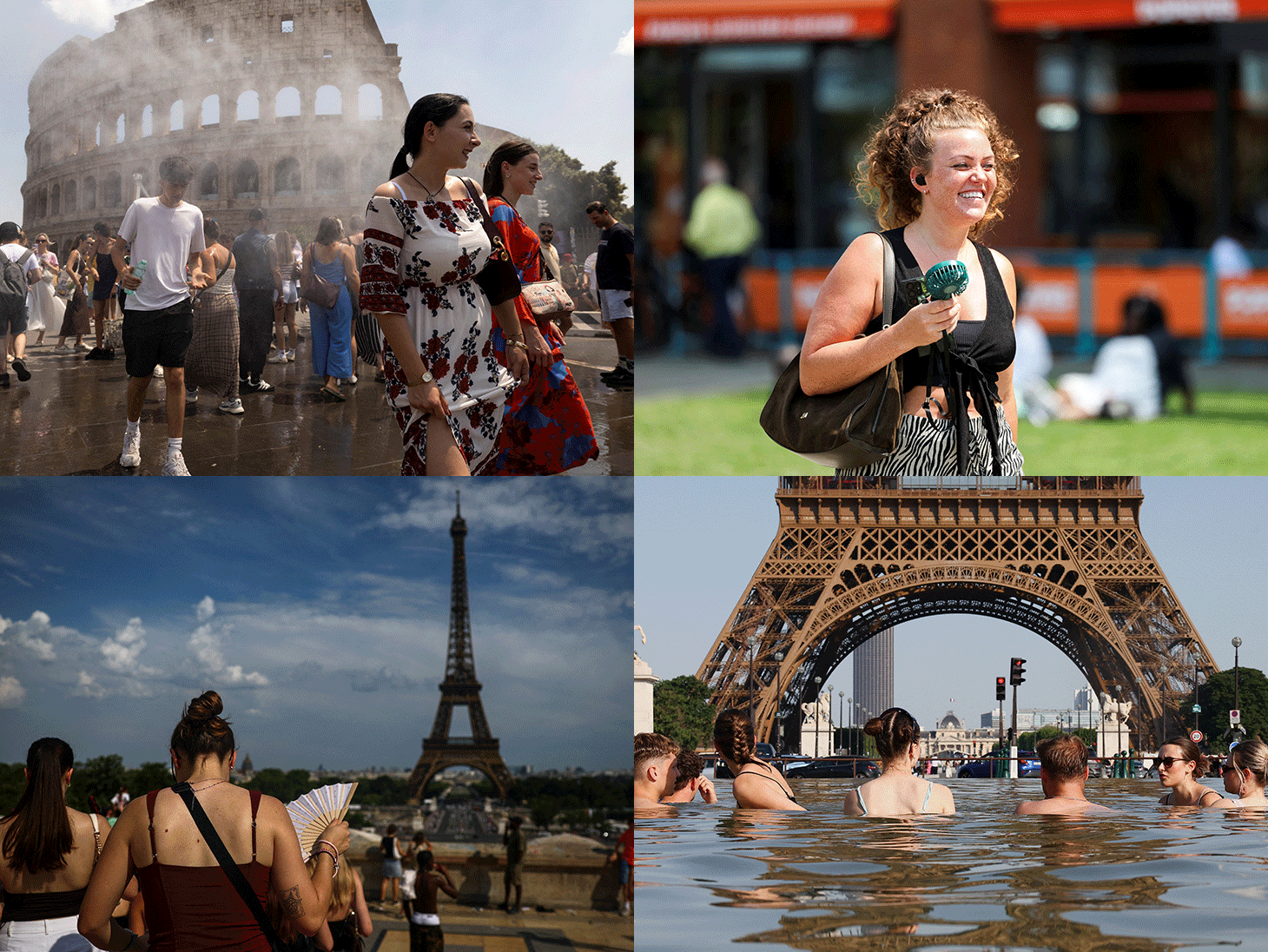
The extreme weather has disrupted transport, triggered wildfires, and exposed severe infrastructure vulnerabilities tied to the continent’s cold-weather building design.
A brutal, early-summer heat dome has shattered temperature records across Western Europe, pushing millions of residents under extreme weather alerts and straining public health systems.
Fatal Toll and Public Health Emergency in France
France has borne some of the most severe impacts of the crisis. Santé publique France reported that approximately 1,000 excess deaths occurred between June 24 and 27, marking fatalities well above historical averages for the period. Public health officials noted that 85 percent of those who died were elderly, with the majority of fatalities occurring at home in and around Paris. Separate reporting indicated at least 45 heat-related deaths in the country, with 40 of those resulting from drownings as residents sought relief in open water.

French Prime Minister Sébastien Lecornu described the heatwave as an episode of exceptional intensity
with temperatures breaking records day and night. Météo-France extended red alerts for extreme heat to 58 of the country’s 96 metropolitan departments. The relentless heat also forced operational cutbacks at iconic Paris landmarks. The Eiffel Tower closed early on Tuesday, shutting its doors at 16:00 instead of 00:45, while the Louvre brought its closing time forward to 16:00 local time. Museum officials noted that the historic building remains vulnerable to extreme temperatures, which peak at the end of the day and are intensified by heavy visitor traffic.
Infrastructure pressures mounted swiftly. Valérie Pécresse, president of the Île-de-France region, urged residents to work from home and avoid travel, warning that The rail tracks cannot withstand temperatures above 50C. So we'll have a lot of disruption to public transport.
Additionally, a nuclear power plant in southwest France was forced to shut down on Monday night because water temperatures in the River Garonne were set to reach 28°C on Tuesday.
Record-Shattering Temperatures Across Germany, Spain, and Britain
Across the continent, decades-old temperature records tumbled in at least 16 countries. In Germany, the town of Drahnsdorf recorded 41.5°C on Saturday, marking the highest temperature in the country’s history, while a weather station in Coschen previously logged 41.7°C. The extreme heat caused sections of highway asphalt to melt and deteriorate, prompting emergency road closures.

Spain experienced some of the most intense heat in Europe, with the mercury soaring to 45.1°C in Andújar and 42.7°C in Bilbao. Prolonged drought and extreme heat ignited multiple forest fires, prompting local evacuations as firefighters worked around the clock. In the United Kingdom, the Met Office issued Red Warnings for Extreme Heat for three consecutive days—a first in the history of the current weather warnings system. Southern England recorded 37.3°C, breaking the country’s June temperature record across three consecutive days. The extreme conditions led to over 1,000 school closures, a 45-year high in electricity demand, and 60 mph speed restrictions on rail networks to prevent track deformation.
Structural Vulnerabilities in a Continent Built for Cold
The current crisis has exposed a fundamental design flaw across European architecture. For centuries, buildings were constructed to trap warmth against harsh winters using thick walls, insulated roofs, and double-glazed windows. As deadly heatwaves increase in frequency, those same structures are functioning as heat traps, leaving cities and public health systems struggling to adapt to cooling demands.
According to the WMO, Europe as a whole has warmed by around two degrees over the 50 years since the historic heatwave of 1976. The World Health Organization estimates that hundreds of thousands of people have died from heat-related causes across Europe over the last four years, noting that many of those deaths were preventable through coordinated early-warning systems and robust heat-health action plans.