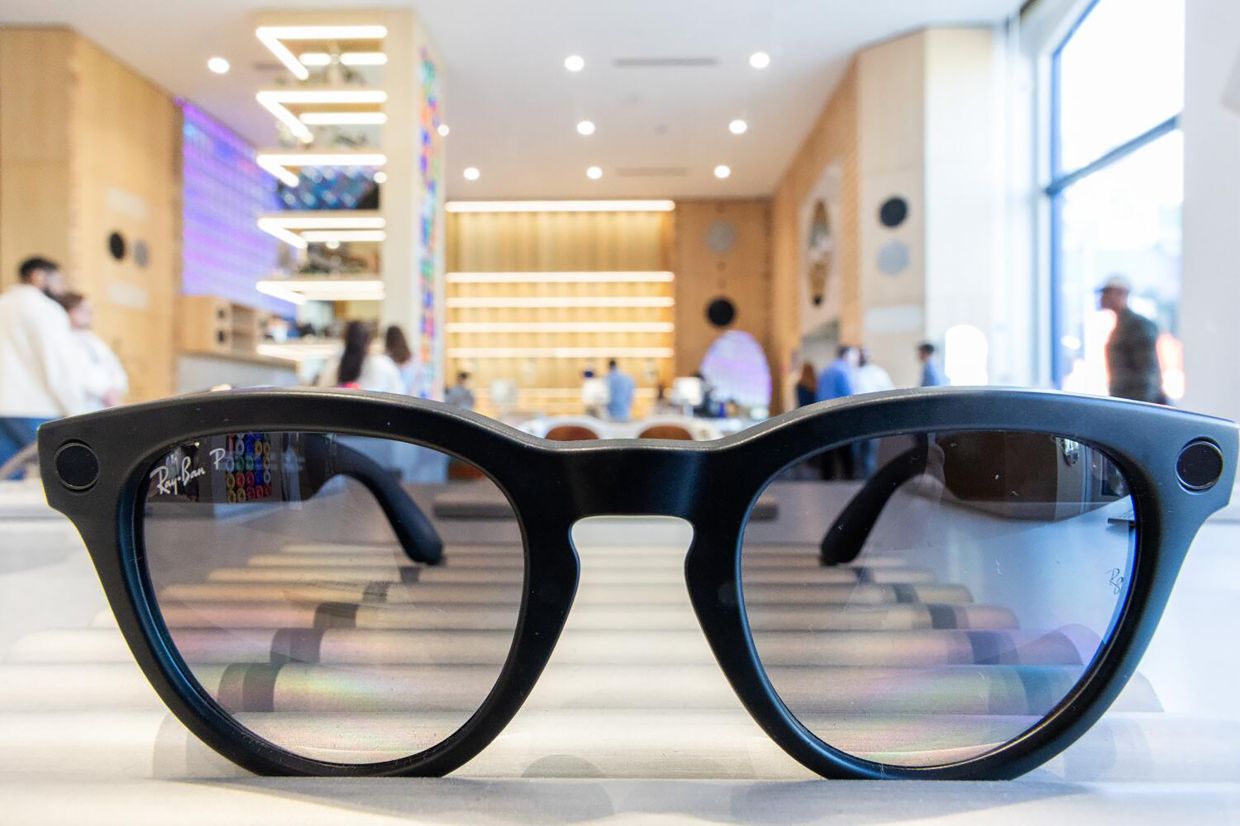
Meta’s Ray-Ban smart glasses are facing an international backlash and legal scrutiny over privacy violations, with critics and social media users labeling the wearable devices pervert glasses
due to secret recordings. According to Reuters, a German advocacy group named HateAid lodged a criminal complaint against Meta, Ray-Ban owner units, and four retailers in Germany. The group argues that the launch of the devices—specifically the Ray-Ban Meta Wayfarer—breaks German digital privacy laws, citing a federal data protection law that prohibits the sale of communication devices designed to film people without their knowledge.
Criminal Complaint Filed in Germany and Growing International Backlash
The Frankfurt-based digital crime prosecution unit ZIT confirmed it received the complaint and will routinely investigate on a preliminary basis whether there are grounds for a deeper probe. The complaint targets management at Meta, EssilorLuxottica units including Ray-Ban, and retailers Fielmann, Apollo-Optik, Mister Spex, and MediaMarkt. MediaMarktSaturn Retail Group stated it was taking the complaint very seriously and noted its suppliers have contractual obligations for all goods to be compliant with the law. Mister Spex reported it had not been officially notified of a complaint, while other companies did not immediately respond to requests for comment.
Secret Recordings and Public Outcry
The controversy stems from users secretly videotaping individuals without their knowledge and publishing the footage on social media. According to Thestar, people are utilizing the glasses—which resemble regular spectacles—to covertly record others at the gym, during sex, in grocery stores, on college campuses, and on sidewalks. While the videos are often portrayed as jokes or pickup attempts, the individuals filmed frequently appear unaware, uncomfortable, and tell strangers to leave them alone or stop harassing them.

Public figures have amplified the criticism. Comedian Jimmy Kimmel labeled the Meta devices pervert glasses
on national television, and singer Lorde told concertgoers that smart glasses are not sexy.
Meanwhile, Instagram has been disabling accounts and removing pickup and prank videos for violating platform rules against harassment and bullying. In April, the American Civil Liberties Union and more than 70 organizations sent a letter to Meta urging the company to commit against releasing facial recognition features in smart glasses, calling it a serious threat to privacy and civil liberties.
Institutions Implement Bans and Legal Warnings
Institutions in the United Kingdom and the United States have begun banning the wearable devices. According to Dailysabah, courts in England and Wales joined restaurants, theaters, and pubs—including Wetherspoons—in banning Meta smart glasses amid spyware concerns. His Majesty’s Courts & Tribunals Service (HMCTS) announced that anyone entering criminal, civil, and family court buildings with the glasses will have them confiscated until they leave. The move follows similar court bans announced in New York. Taking images or videos inside U.K. court buildings without official permission is prohibited and can be prosecuted as contempt of court.
Legal experts highlight that the inconspicuous nature of the glasses complicates traditional notions of consent. Rivkin Radler LLP partner Gene Kang told Apple’s First Smart Glasses: A Ray-Ban-Inspired Take on Meta’s Long-Run Vision
Meta’s Response and Market Position
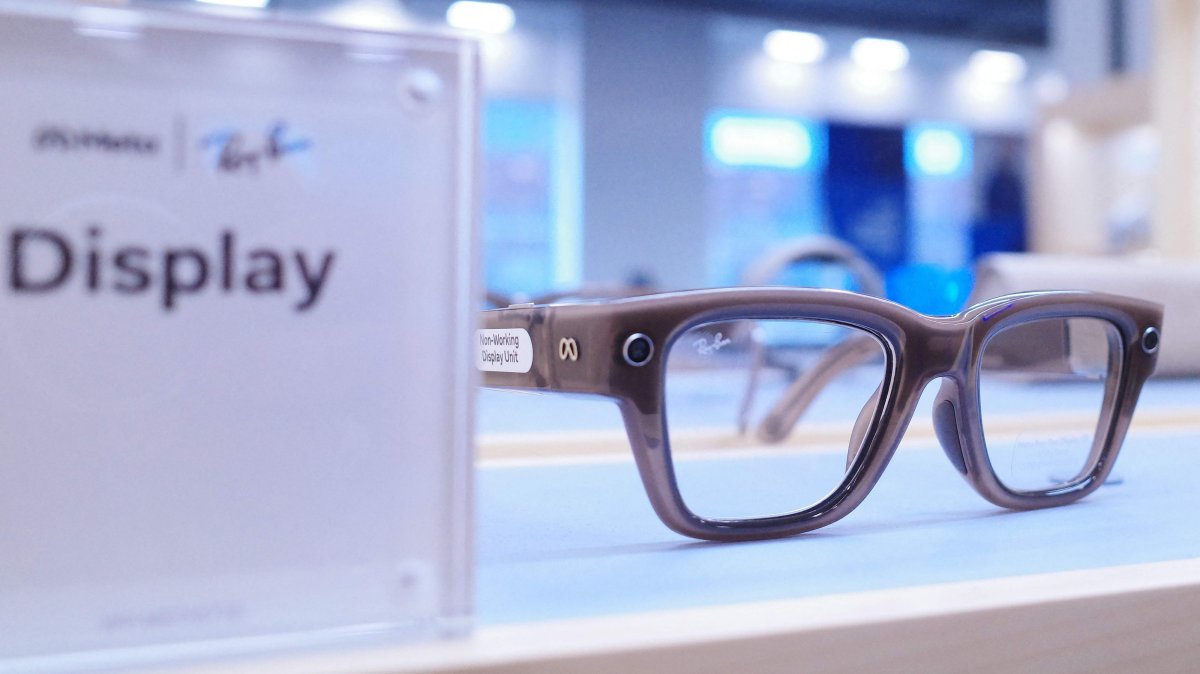
Meta made up approximately 69% of the smart glasses market in the first quarter of the year, according to data from IDC. The social media giant sells the devices online and at major retailers such as LensCrafters and Best Buy, with prices ranging from roughly US$224 to US$800. The company has also opened Meta Lab
stores in Los Angeles and other cities, partnering with Ray-Ban, Oakley, and celebrities like Kylie Jenner and Jennie from Blackpink.
In response to the privacy concerns, Meta updated its smart glasses last month so that cameras get disabled if they have been tampered with. The glasses feature a white capture LED on the front of the frames that blinks when content is being captured, and Meta states the LED cannot be switched off and that the camera is disabled if the light is covered or blocked. A Meta spokesperson defended the devices, stating that people use AI glasses because they are genuinely helpful for tasks like listening to music, live translation, or hands-free calls, and added that the company plans to strengthen protections as the glasses become more capable.
Keep reading