
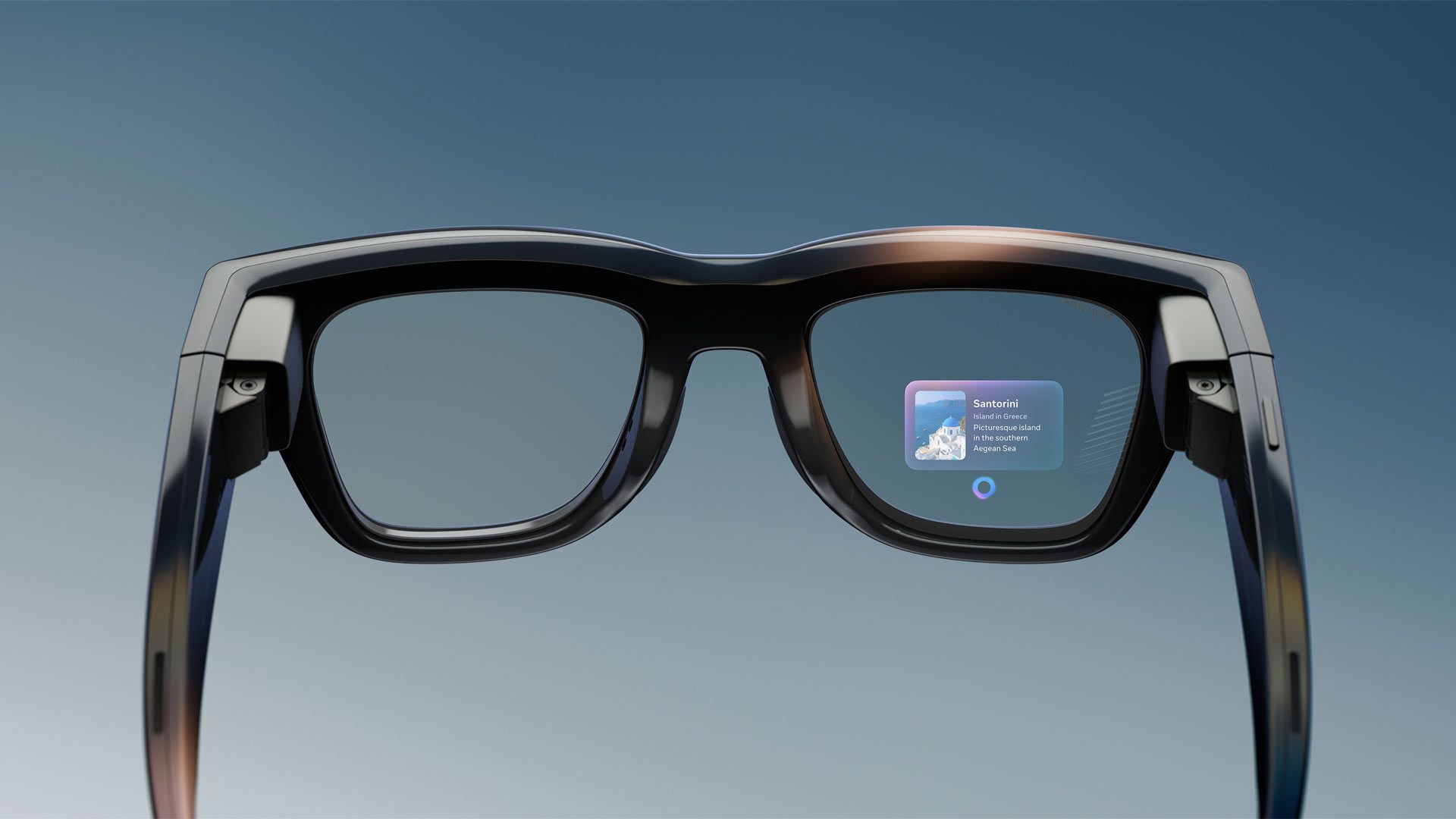
Security researchers and privacy advocates are raising concerns regarding the susceptibility of Ray-Ban Meta smart glasses to unauthorized hardware modifications that can disable the device’s integrated LED recording indicator. While the glasses are designed with a white light that illuminates during video capture to notify bystanders of recording, recent reports confirm that physical tampering can bypass this privacy safeguard, effectively transforming the wearable into a surreptitious surveillance tool.
The Ray-Ban Meta collection, a collaboration between Meta Platforms, Inc. and EssilorLuxottica, relies on this light as a primary component of its privacy-by-design framework. According to Meta’s official product documentation, the LED is hardware-linked to the camera sensor to ensure that recording cannot occur without a visual signal. However, the emergence of “modding” techniques—where users physically dismantle the frames to obstruct or bypass the light—has highlighted a significant gap between intended safety features and real-world hardware security.
Hardware Vulnerabilities and Privacy Risks
The core of the privacy concern lies in the accessibility of the device’s internal components. While the glasses are marketed as consumer electronics, they are fundamentally modular in their construction. Security analysts have noted that because the LED is a physical diode, it can be bypassed or obscured by individuals with basic electronic repair tools. This capability creates a scenario where the device can record audio and video without alerting the public, a direct violation of the intended safety protocols outlined in the Meta privacy policy.

The potential for misuse is exacerbated by the form factor of the glasses, which are designed to be indistinguishable from standard eyewear. Unlike traditional cameras or smartphones, which are often easily spotted, these glasses allow for discreet recording in environments where such activity might be restricted or prohibited. The removal of the visual indicator effectively strips away the only reliable signal available to the public, shifting the burden of privacy protection entirely onto the wearer’s ethical conduct rather than the device’s technical constraints.
Industry Standards for Wearable Privacy
The incident surrounding the Ray-Ban Meta glasses reflects a broader challenge within the wearable technology sector regarding “privacy-by-design.” Most major manufacturers, including those producing smart glasses and body-worn cameras, adhere to voluntary industry guidelines that mandate visual indicators for recording. According to the Federal Trade Commission (FTC) guidance on consumer privacy, companies are expected to implement reasonable security measures to protect consumer data and ensure that product features do not facilitate deceptive practices.
When hardware is intentionally modified, the manufacturer’s original safety certifications are typically voided. However, the legal implications for individuals who modify their own devices to conduct unauthorized recording vary by jurisdiction. In many regions, laws regarding “reasonable expectation of privacy” in public and private spaces govern the use of recording devices. Legal experts suggest that even if a device is modified to hide its recording status, the act of capturing footage without consent may still violate wiretapping and privacy statutes, regardless of whether the hardware’s safety light is functional or not.
What Happens Next for Smart Glasses Security
As the market for augmented reality (AR) and smart wearables continues to grow, the pressure on manufacturers to implement more robust, tamper-evident safety systems is increasing. Meta has maintained that its product is intended for social sharing and hands-free utility, and it continues to warn users against using the device to record in ways that violate local laws or infringe on the privacy of others. The company’s official safety guidelines explicitly state that users are responsible for complying with all applicable privacy regulations.
For consumers and bystanders, the ability to “spot” a recording device is becoming increasingly difficult. Security professionals recommend that in sensitive environments—such as locker rooms, private offices, or during confidential meetings—individuals should remain aware that any wearable device could potentially be compromised. While manufacturers are unlikely to be held liable for unauthorized modifications made by third parties after the point of sale, the incident underscores the ongoing tension between technological convenience and the fundamental right to privacy.
Future iterations of smart eyewear may incorporate more sophisticated, software-locked indicators that are harder to bypass without rendering the device inoperable. Until such hardware-level protections become standard across the industry, the reliance on visual cues remains a limited defense against intentional tampering. The next official update from regulatory bodies regarding the oversight of smart wearable privacy features is expected later this year, as discussions continue among privacy advocates and technology stakeholders.
We welcome your thoughts on the balance between innovation and privacy in the comments section below. Share this article to help inform others about the evolving challenges of wearable technology security.
Keep reading