In the landscape of wearable technology, few companies command the level of anticipation that Apple generates when rumors of a new hardware category begin to circulate. Following the launch of the Vision Pro, industry analysts and enthusiasts alike have been looking toward Cupertino’s next move in the augmented reality and smart eyewear space. Recent reports suggest that Apple is exploring the development of smartglasses, a move that could potentially mirror the success the company found with the Apple Watch by integrating sophisticated technology into a familiar, everyday form factor.
The core of this strategic shift involves creating a device that prioritizes portability and style over the heavy, immersive experience of high-end headsets. By focusing on smartglasses, Apple appears to be aiming for a market segment that values seamless integration with existing ecosystems, a hallmark of their hardware strategy. While the company has not issued an official product roadmap for such a device, the industry consensus points toward a desire to capture the “everyday wearable” market, much like the trajectory seen with Apple Watch Series 10.
The Evolution of Smart Eyewear
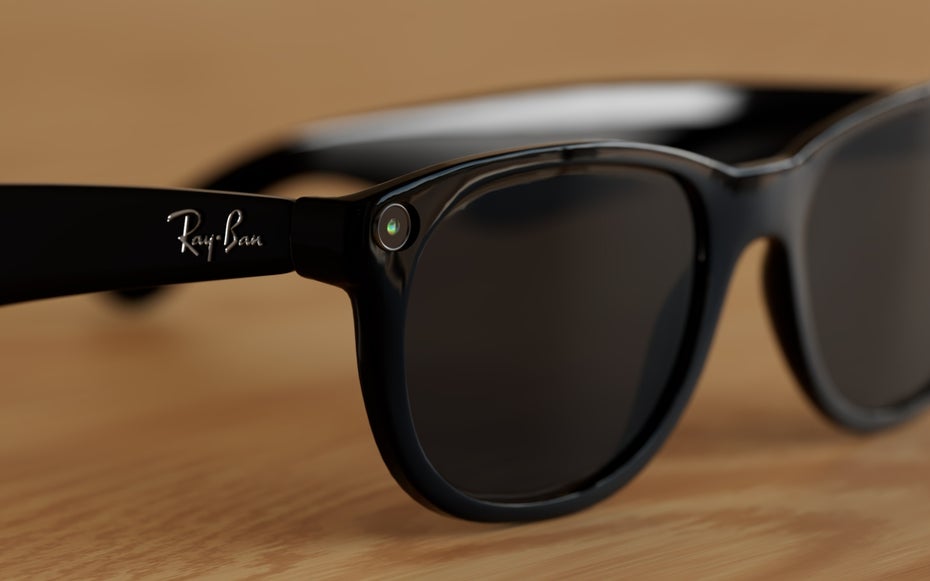
The current market for smart eyewear is defined by a balance between utility and aesthetic appeal. Competitors, most notably the collaboration between Meta and EssilorLuxottica, have set a benchmark by embedding cameras, speakers, and AI-driven assistants into classic Ray-Ban frames. These devices prove that consumers are increasingly open to wearables that do not look like traditional computing hardware. For Apple, the challenge lies in differentiating its offering through its proprietary software ecosystem and potential integration with health-tracking capabilities, which have become a cornerstone of their wearable success.

Industry observers note that Apple’s approach likely involves a long-term research and development phase. Unlike the rapid iteration cycles of software, hardware development—particularly in the optics and miniaturization required for glasses—demands years of testing. According to recent reporting, the company is currently in the early stages of evaluating the technology necessary to make such a product viable for mass-market adoption. This aligns with Apple’s historical preference for entering a product category only when they can provide a distinct, high-quality user experience that solves specific pain points.
Strategic Integration and Ecosystem Value
Why would Apple pursue smartglasses now? The answer likely lies in the company’s “ecosystem lock-in.” Apple’s success is rarely about a single device; it is about how that device communicates with the iPhone, the Mac, and the Apple Watch. Smartglasses could serve as an essential peripheral, providing users with heads-up notifications, navigation cues, and AI-powered visual assistance without the need to pull a smartphone from a pocket.
the integration of advanced sensors could bring health monitoring to a new level. Given the company’s continued investment in health technology, it is plausible that future smart eyewear could incorporate biometric sensing, similar to the heart rate and blood oxygen monitoring found in current wearables. This would not only provide value to the user but also further solidify the importance of the Apple Health platform in daily life.
Key Considerations for Future Development
- Battery Life and Miniaturization: Balancing high-performance computing with the physical constraints of a pair of glasses remains the primary engineering hurdle.
- Privacy and Public Perception: Any device equipped with cameras and microphones faces significant regulatory and social scrutiny, necessitating robust privacy features and clear indicators for bystanders.
- Software Ecosystem: The success of the glasses will depend heavily on the availability of third-party apps and native support for services like Siri and Apple Maps.
Market Impact and What Lies Ahead
The entry of a major player like Apple into the smartglasses market would undoubtedly accelerate consumer adoption and competition. As seen with the introduction of the Apple Vision Pro, when Cupertino enters a space, it forces the entire industry to refine its standards for design, build quality, and privacy. While the Vision Pro serves as a high-end, immersive computing platform, smartglasses represent a more approachable, lifestyle-oriented entry point for the average consumer.
For now, the project remains a subject of intense speculation within the tech industry. Investors and analysts are waiting for further signals from Apple’s supply chain, which often serves as the most reliable indicator of upcoming product launches. As Apple continues to iterate on its existing wearable lineup, the focus will remain on whether they can achieve the same level of market dominance in eyewear that they established with the Apple Watch.
Looking Toward the Next Update
As of late 2024, there are no scheduled official events or regulatory filings that confirm a release date for Apple-branded smartglasses. The company typically provides updates on its long-term product strategy during annual events like WWDC or dedicated hardware keynotes. We will continue to monitor patent filings and official investor communications for any shifts in Apple’s strategic focus regarding wearable peripherals.
What are your thoughts on the future of smart eyewear? Do you believe they will replace the smartphone as our primary computing device, or will they remain a niche accessory? Share your perspectives in the comments below, and stay tuned to World Today Journal for the latest developments in wearable innovation.
Keep reading