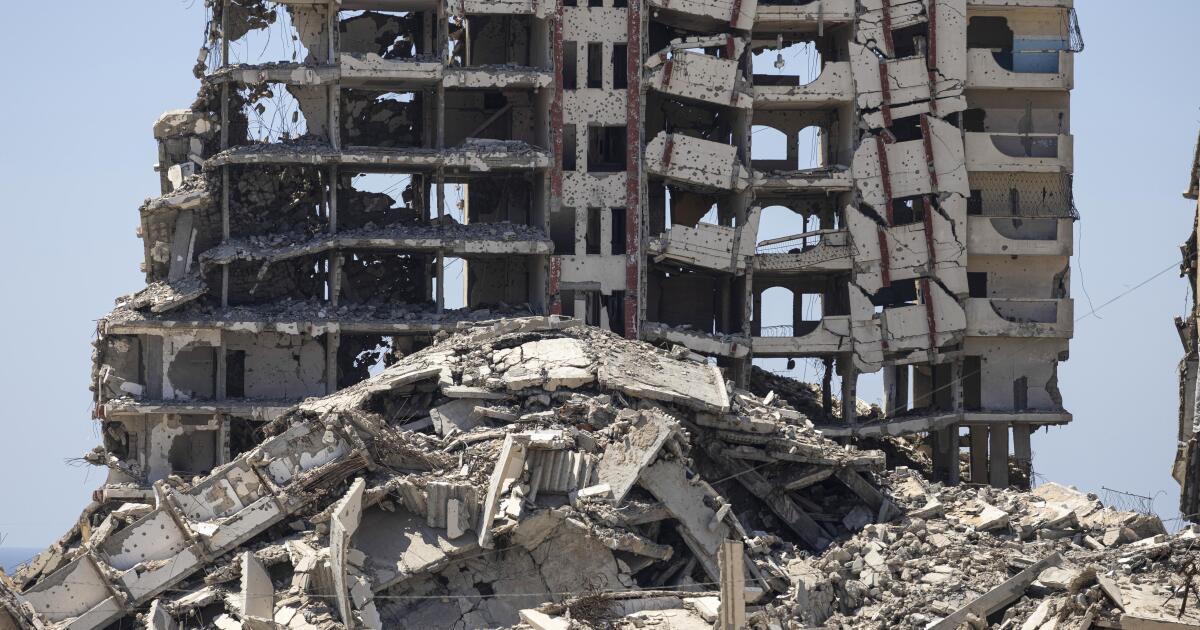
The humanitarian crisis in Gaza has reached a point where thousands of individuals remain missing, buried beneath millions of tons of debris following ongoing military operations. For families, this has evolved into a desperate and often impossible search for the remains of their loved ones, as local civil defense teams struggle with severe equipment shortages and restricted access to affected areas.
According to reports from the United Nations Office for the Coordination of Humanitarian Affairs (OCHA), the destruction of critical infrastructure and residential buildings has left vast quantities of rubble across the Gaza Strip. The recovery of bodies is hindered by a lack of heavy machinery, such as excavators and cranes, as well as the constant risk of unexploded ordnance that threatens both search teams and civilians attempting to locate family members.
The Logistical Barrier to Recovery Efforts
The scale of the wreckage makes manual recovery efforts largely ineffective. The UN Mine Action Service (UNMAS) has previously highlighted that the presence of explosive remnants of war (ERW) creates a lethal environment for anyone attempting to clear collapsed structures. Without specialized equipment to safely shift concrete slabs and metal reinforcement, many families are forced to use basic tools, which often proves insufficient for reaching deep into the ruins.
The lack of fuel and spare parts for the limited number of operational municipal vehicles further complicates these efforts. The Palestinian Civil Defense, which is responsible for search and rescue operations, has repeatedly stated that their capacity is overwhelmed by the sheer volume of destroyed sites. Their ability to respond to calls is frequently interrupted by communication blackouts and ongoing security conditions that prevent transit between neighborhoods.
The Humanitarian Impact on Families
For parents and relatives, the inability to recover and bury their kin carries profound psychological and social consequences. In many local communities, funeral rites are central to the grieving process, and the absence of a body leaves families in a state of indefinite uncertainty. This phenomenon of “ambiguous loss” is exacerbated by the lack of centralized, verified databases for those who remain missing, as hospitals and morgues struggle to process the high volume of casualties.

International humanitarian organizations have called for greater access to heavy equipment and the establishment of safe corridors to allow for the systematic clearing of rubble. However, as noted by the International Committee of the Red Cross (ICRC), the security environment remains volatile, and the prioritization of search efforts is often dictated by the immediate necessity of clearing roads for aid delivery rather than the recovery of victims.
Status of Infrastructure and Future Recovery
The long-term challenge of clearing the debris is estimated to take years, if not decades, depending on the availability of international funding and the cessation of hostilities. The World Bank has previously noted that the cost of damage to Gaza’s physical infrastructure is in the billions of dollars, with the removal of rubble being a prerequisite for any eventual reconstruction. Until such large-scale efforts can be coordinated, the individual searches led by fathers, mothers, and other relatives remain the only mechanism for many to find closure.

For those seeking information on missing persons, the ICRC provides resources and guidance on tracing family members in conflict zones, though the current situation in Gaza remains one of the most difficult environments for such operations. The organization continues to advocate for the protection of civilians and the facilitation of safe, humanitarian access to all areas where recovery efforts are required.
Updates on the humanitarian situation, including reports on infrastructure and aid accessibility, are provided periodically by the United Nations Office for the Coordination of Humanitarian Affairs. Readers interested in the broader economic and social impacts of the crisis may also consult the International Committee of the Red Cross for official statements regarding humanitarian law and civilian protection.