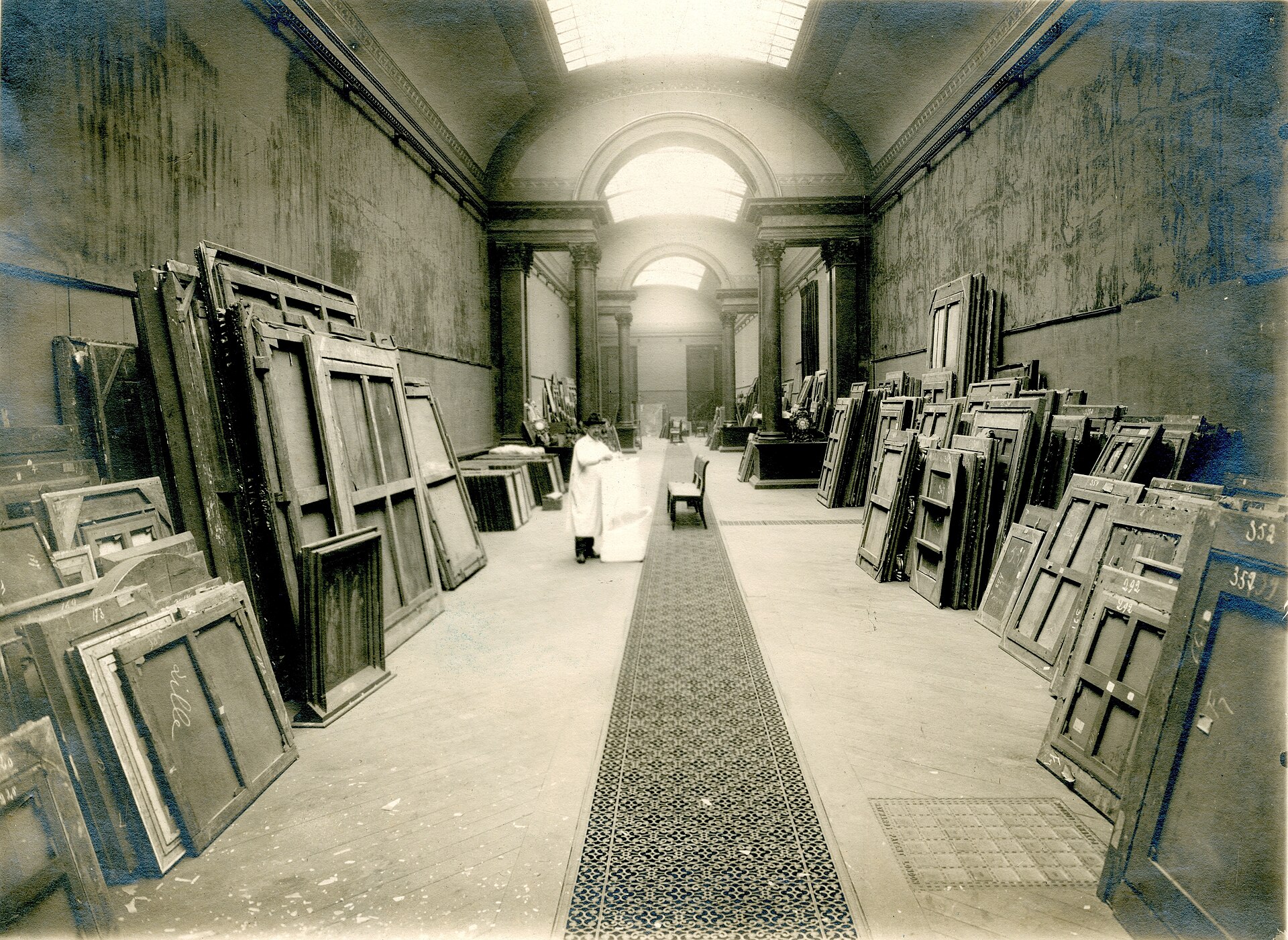
The preservation of cultural heritage in Northern France during the two World Wars remains a subject of significant historical study, focusing on the complex logistical and moral challenges faced by museum curators tasked with protecting national treasures from destruction. Between 1914 and 1945, institutions across the region—most notably in cities like Lille, Douai, and Arras—implemented emergency evacuation protocols to safeguard thousands of artworks from advancing front lines and systemic looting. These efforts, documented in extensive academic research and institutional archives, reveal how museum staff functioned as the first line of defense for French artistic identity during periods of total war.
According to research from the French Ministry of Culture, the protection of collections during the 20th century was not merely a matter of moving objects, but a highly coordinated state strategy. During World War I, the proximity of the front line in the Nord and Pas-de-Calais departments necessitated the rapid transport of paintings, sculptures, and historical documents to safer zones in central and southern France. These movements were often conducted under fire, with curators frequently risking their lives to crate items before the arrival of occupying forces.
The Evolution of Emergency Evacuation Protocols
The methodologies developed by Northern French museums during the Great War served as a blueprint for subsequent efforts during the Second World War. By 1939, the French state had refined the “Plan de Sauvegarde,” a comprehensive directive that categorized works of art by importance and dictated their destination in the event of an invasion. As noted by the French National Archives, the evacuation of the Louvre in Paris is often cited in popular history, yet the regional museums in the North faced arguably more precarious conditions due to their geographic position along the path of the German advance.
Curators in cities such as Valenciennes and Cambrai faced the dual pressure of military requisition and the threat of destruction by aerial bombardment. The archival records indicate that many institutions utilized local chateaus and remote storage facilities to cache collections. This decentralization was intended to prevent the total loss of a collection should a single site be bombed or seized. Despite these precautions, the cultural landscape of the region suffered significant losses, with several municipal buildings being severely damaged or destroyed during the fighting.
Institutional Legacy and Academic Recognition
The resilience of these collections has inspired a vast body of scholarly work, including detailed studies on the provenance of recovered items and the legal battles that followed the wars regarding looted art. The Institut national d’histoire de l’art (INHA) has cataloged these events, highlighting the role of individual curators whose meticulous inventories allowed for the eventual restitution of displaced works after 1945. These administrative efforts are now recognized as essential components of modern French museology.
Beyond academic circles, the dramatic nature of these evacuations has permeated French popular culture, serving as the basis for numerous novels and graphic novels that explore the intersection of human endurance and artistic preservation. These creative works often highlight the tension between the fragility of cultural objects and the brutality of industrial warfare, bringing the historical reality of the “evacuation crisis” to a broader contemporary audience.
Documentation and Future Research
For those interested in the specific history of a particular collection or city, the POP (Plateforme Ouverte du Patrimoine) provides a centralized database where researchers can access digital archives and historical inventories. These records remain the primary source for verifying the movement of specific masterpieces and understanding the administrative rigor that saved thousands of pieces from being lost to history.
As the international community continues to monitor the status of cultural property in conflict zones, the historical experience of the Northern French museums serves as a primary case study for modern preservation guidelines. The next major academic symposium regarding the history of French cultural heritage during the 20th century is expected to be announced via the French Ministry of Culture’s official portal later this year. We welcome your thoughts on this intersection of history and art; please share your comments below.