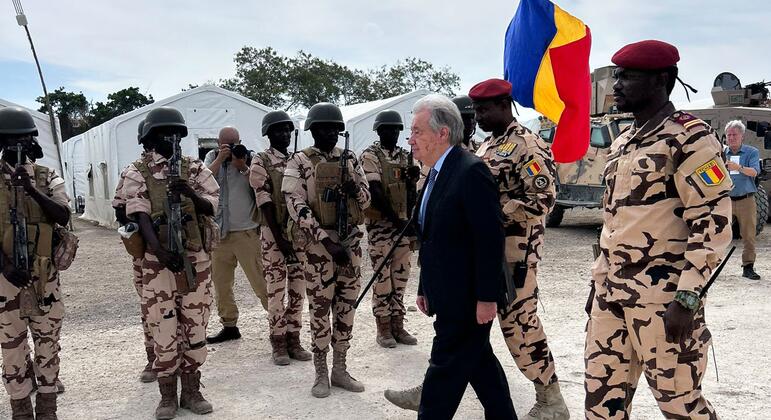
A new multinational security support mission, led by Kenyan police officers, has begun operations in Haiti to combat the influence of powerful armed gangs that have paralyzed the capital, Port-au-Prince. This intervention marks a critical juncture for the Caribbean nation, which has faced a severe escalation in violence and a breakdown of public services over the past year. According to the United Nations Security Council, the mission is authorized to support the Haitian National Police in restoring security and creating conditions for eventual democratic elections.
The arrival of the first contingent of Kenyan officers in late June 2024 signals the start of a long-awaited international response to the security crisis. While the mission operates under the mandate of the United Nations, it is distinct from a traditional UN peacekeeping operation, relying instead on voluntary contributions and the leadership of participating nations. The primary objective, as outlined by the U.S. Department of State, is to secure critical infrastructure, including the airport, ports, and main transit routes, such as the Boulevard du 15 Octobre, where residents continue to rely on the iconic “tap tap” shared taxis despite the persistent threat of gang activity.
The Scope of the Security Challenge
Haiti has endured a period of profound instability since the assassination of President Jovenel Moïse in July 2021. In the power vacuum that followed, criminal coalitions—most notably the “G9” and “G-Pèp” alliances—have seized control of an estimated 80% of Port-au-Prince, according to data provided by the Office of the UN High Commissioner for Human Rights. These groups have utilized kidnapping, extortion, and the blockade of fuel terminals to exert influence over the civilian population.

The impact on daily life is acute. Residents navigating the capital often travel in “tap taps”—brightly colored, modified pickup trucks that serve as the city’s primary public transport. These vehicles have become symbols of both the resilience of the Haitian people and the precarious nature of travel through gang-contested zones. The deployment of the Multinational Security Support (MSS) mission is intended to reclaim these spaces and allow for the safe delivery of humanitarian aid to the millions of Haitians currently facing acute food insecurity, as reported by the World Food Programme.
Mission Mandate and International Support
The legal framework for the MSS mission was established by UN Security Council Resolution 2699, which authorized member states to provide security assistance to Haiti. Kenya, which pledged 1,000 police officers to the effort, has taken the lead in training and deploying personnel. Financial and logistical support has been provided by several nations, with the United States acting as a primary donor, pledging over $300 million in equipment and funding, as confirmed by the White House.
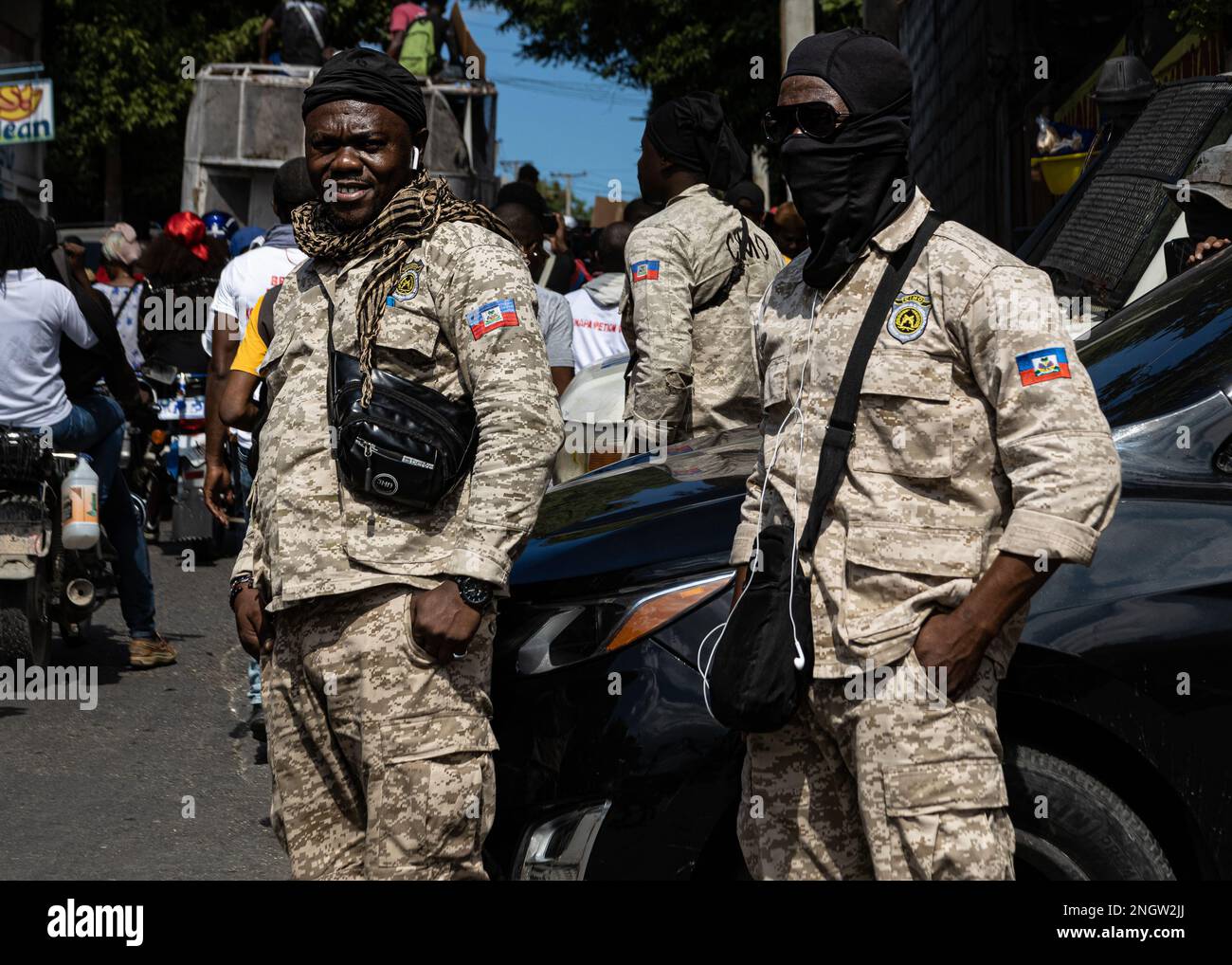
The mission’s effectiveness depends on its ability to coordinate with the Haitian National Police (HNP). The HNP has been chronically underfunded and outgunned by gangs wielding high-caliber weapons smuggled into the country, largely from the United States, according to a report by the United Nations Office on Drugs and Crime. The MSS mission aims to provide the tactical support necessary for the HNP to conduct joint operations, though experts warn that the transition to long-term stability will require significant political reform alongside military intervention.
Humanitarian and Political Implications
Beyond the immediate security concerns, the presence of foreign forces carries significant political weight. Haiti has not held a general election since 2016, and the current transitional government is tasked with organizing a path toward a new administration. The Caribbean Community (CARICOM) has been instrumental in mediating the formation of the Transitional Presidential Council, which is currently overseeing the governance of the country until elections can be safely held.
For the average citizen, the success of the MSS mission is measured by the ability to move freely and access basic services. The persistent threat of violence has forced thousands of families to flee their homes, creating an internal displacement crisis that now affects more than 360,000 people, according to the International Organization for Migration. The international community is closely monitoring whether the deployment can reverse these trends or if the security situation will remain gridlocked by the entrenched power of gang leaders.
Next Steps and Monitoring
The mission is currently in its initial operational phase, with additional contingents from other participating nations expected to arrive in the coming months. The UN Security Council is scheduled to review the mission’s progress periodically, with a formal report on the security situation anticipated before the end of the year. Interested parties can track official updates through the United Nations Integrated Office in Haiti (BINUH), which provides regular briefings on the security and humanitarian landscape.

The situation remains fluid. As the MSS mission establishes its presence, the focus will likely shift toward the sustainability of these security gains and the capacity of Haitian institutions to maintain order independently. We invite our readers to share their perspectives on the evolving situation in the comments section below, as we continue to track developments on the ground in Port-au-Prince.
Related reading