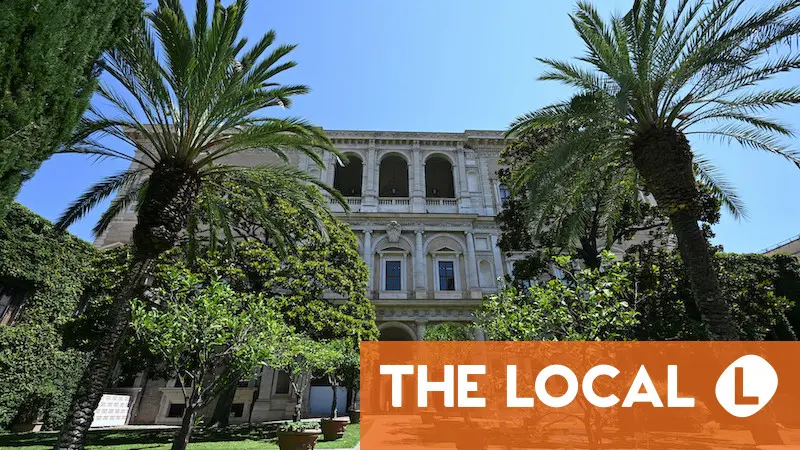
Restoration efforts at Rome’s historic Palazzo Farnese have reached a significant milestone, with conservationists successfully cleaning and repairing hundreds of decorative lion gargoyles designed by Michelangelo. The palace, which serves as the French Embassy to Italy, underwent an extensive maintenance project to preserve its Renaissance architectural details, according to officials overseeing the cultural heritage site.
Michelangelo Buonarroti, a foundational figure of the High Renaissance, contributed to the design of the Palazzo Farnese’s third-floor cornice, which features the distinctive lion-headed gargoyles. These elements are not merely ornamental; they function as part of the building’s drainage system, channeling rainwater away from the facade. The restoration was necessary to combat decades of environmental degradation and material fatigue that threatened the structural integrity and aesthetic clarity of the stone carvings.
Michelangelo’s Architectural Legacy at Palazzo Farnese
The Palazzo Farnese is widely regarded as one of the most significant examples of Renaissance architecture in Rome. Construction began in the early 16th century, involving several prominent architects, including Antonio da Sangallo the Younger. Following Sangallo’s death in 1546, Michelangelo took over the project, and his influence remains most visible in the upper floor and the building’s massive, projecting cornice.

The cornice, which crowns the palace, is a defining element of the structure’s silhouette. Historical records from the French Embassy in Rome confirm that Michelangelo refined the design to provide the building with a sense of unity and proportion. The lion gargoyles integrated into this stone frieze reflect the artistic sensibilities of the era, combining classical motifs with functional engineering. According to the World Monuments Fund, the palace has been the subject of numerous international preservation efforts due to its status as a masterpiece of secular Renaissance design.
Restoration Process and Preservation Challenges
The recent restoration project involved specialized techniques to remove calcium deposits, pollutants, and organic growth that had accumulated on the stone surfaces over the centuries. Conservators utilized non-invasive cleaning methods to ensure that the original tool marks left by Michelangelo’s stonemasons remained intact. The work was coordinated under the supervision of the French government, which has occupied the building since the late 19th century.
Environmental factors in central Rome, including high traffic levels and air pollution, have historically posed risks to the palace’s exterior. The Italian Ministry of Culture maintains strict oversight regarding the maintenance of such heritage sites, ensuring that all interventions comply with international standards for historical restoration. By stabilizing the lion gargoyles, the current team has ensured that the drainage system remains operational, preventing water infiltration that could damage the interior frescoes and structural masonry.
The Palace as a Diplomatic and Cultural Hub
Beyond its architectural importance, the Palazzo Farnese remains a functioning diplomatic mission. The presence of the French Embassy necessitates a delicate balance between modern administrative needs and the preservation of a 500-year-old monument. The French Embassy in Italy frequently hosts cultural events and tours that allow the public to view segments of the palace, highlighting the ongoing commitment to the site’s upkeep.

This project serves as a reminder of the challenges involved in maintaining Rome’s “open-air museum” status. As urban environments continue to shift, the preservation of Renaissance masterpieces requires continuous monitoring and investment. The successful completion of this restoration ensures that one of Michelangelo’s most recognizable contributions to the city’s skyline remains preserved for future generations.
For those interested in the ongoing preservation of the Palazzo Farnese, the French Embassy and the Italian Ministry of Culture provide periodic updates on site accessibility and restoration milestones via their official communication channels. Public inquiries regarding scheduled tours or historical exhibits should be directed to the embassy’s cultural department. Further information on the history of the palace and its architectural evolution is available through the Vatican Museums and major academic archives specializing in Italian Renaissance art.