
The International Atomic Energy Agency (IAEA) is currently facing a diplomatic impasse as the Board of Governors reviews a draft resolution concerning Iran’s nuclear program. The proposed measure, drafted by the United States, rebukes Tehran for restricting access to its nuclear facilities over the past year. While the draft focuses on the agency’s lost visibility into Iranian sites, it remains silent on the military strikes that previously impacted those same locations. This omission has sparked debate regarding the scope of the IAEA’s oversight and the broader geopolitical tensions currently affecting the Middle East.
As the Editor for the World section at World Today Journal, I have spent over 14 years monitoring how international bodies navigate such high-stakes security crises. From my perspective in Sofia, this development underscores the widening gap between technical monitoring mandates and the reality of regional military escalations. The situation is not merely a bureaucratic dispute over inspector access; it reflects a deeper struggle to maintain international oversight in a climate of active conflict.
The Scope of the Censure Resolution
The draft resolution, which has been under discussion at the IAEA’s Vienna headquarters, centers on the persistent lack of cooperation from Iranian authorities. According to reports, the text highlights that inspectors have been denied the level of access required to verify the nature of Iran’s nuclear activities for more than 12 months. The agency, led by Director General Rafael Grossi, has consistently emphasized its role as a technical body rather than a participant in regional defense policies. During a recent press briefing on June 8, 2026, Grossi reiterated that the IAEA’s mandate is distinct from the security arrangements being negotiated by individual nations, such as the reported discussions between the United States, Poland, and the Baltic states regarding nuclear hosting (IAEA and NATO nuclear policy).

The resolution’s potential passage could serve as a precursor to formalizing the dispute at the United Nations Security Council. By moving the issue to a higher diplomatic tier, proponents of the resolution aim to exert greater pressure on Tehran to restore transparency. However, the resolution’s failure to address the destruction caused by recent strikes on nuclear-related infrastructure complicates the narrative. Critics argue that omitting the impact of these strikes—which rendered certain facilities off-limits to inspectors—creates a lopsided account of why monitoring has faltered.
Military Tensions and the Strait of Hormuz
The diplomatic friction at the IAEA cannot be viewed in isolation from the broader maritime and regional confrontations. On May 14, 2026, the Iranian military announced a strategy to exercise what it termed “coordinated strategic control” over the Strait of Hormuz. Brigadier General Mohammad Akraminia, a spokesman for the Iranian Army, stated that the country would block the transit of American military cargo headed for regional bases (Iranian military policy in the Gulf). This move transformed a vital maritime corridor—which historically facilitates the movement of approximately one-fifth of the world’s oil and liquefied natural gas—into a central theater of the ongoing power struggle.
This escalation has profound implications for regional stability. By threatening the logistics of American arms shipments, Iran has effectively linked its nuclear and diplomatic posture to its capacity to disrupt regional military supply routes. This creates a volatile environment where technical nuclear inspections are increasingly viewed by Tehran as secondary to the immediate security threats posed by ongoing operations in southern Lebanon and the broader Persian Gulf region.
The Lebanon Factor and Ceasefire Frameworks
The current state of hostilities remains precarious. On June 8, 2026, Iran’s Khatam Al-Anbiya Central Headquarters announced a suspension of its offensive operations against Israel, though this pause was explicitly conditional. The Iranian military command stated that if “aggression and acts of malice” continue—specifically citing operations in southern Lebanon—they would respond with significantly more severe measures (Iran’s position on Lebanon and regional strikes). This framing highlights a fundamental disagreement between Tehran and Washington regarding the scope of existing ceasefire agreements. While the U.S. and Israel generally view the April 8, 2026, ceasefire as limited to direct bilateral hostilities, Tehran maintains that the status of southern Lebanon and the activities of Hezbollah are inseparable from the broader truce framework.
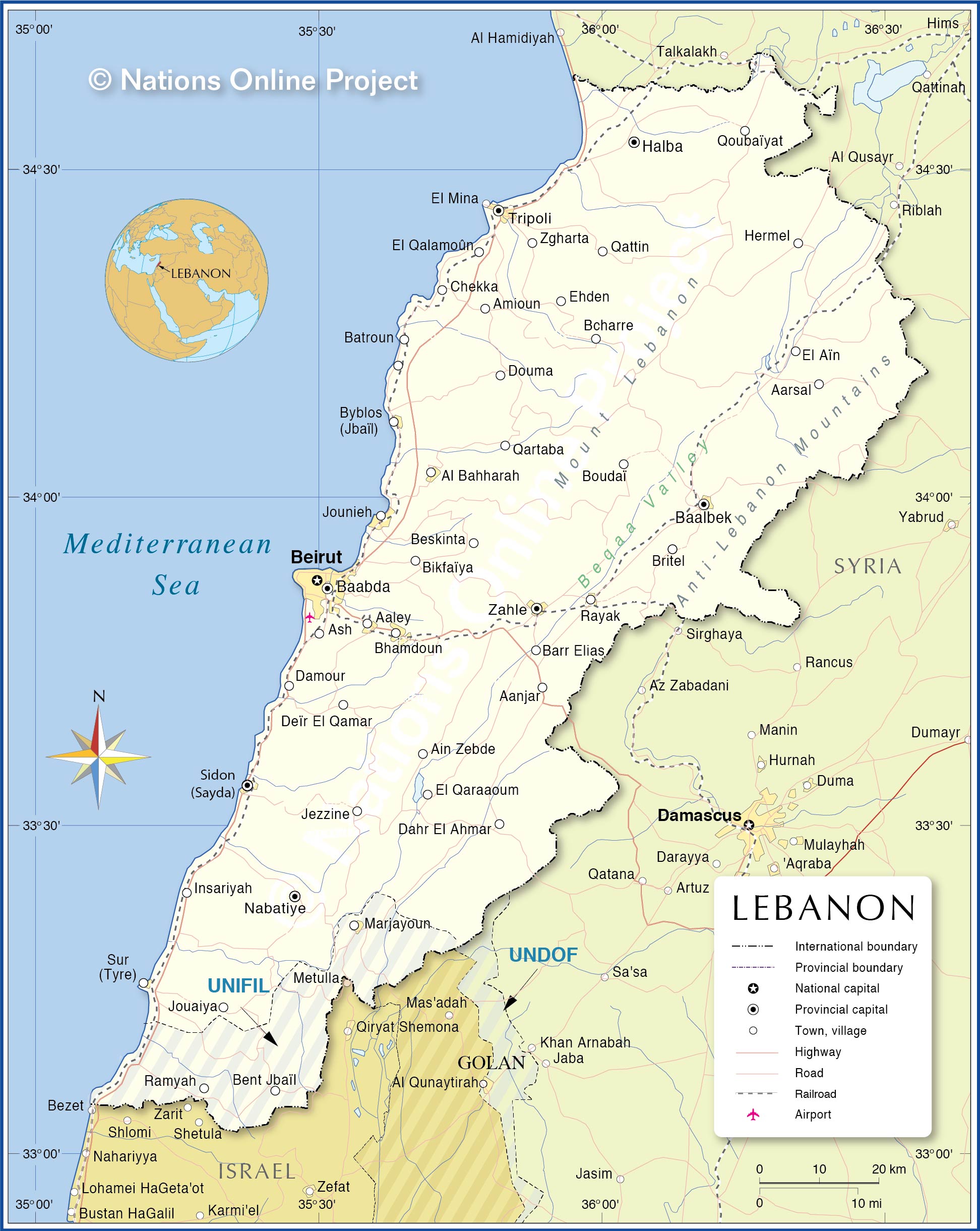
For the international community, the challenge lies in reconciling these conflicting interpretations. The IAEA’s attempt to focus on technical non-proliferation is being tested by a region that refuses to compartmentalize nuclear monitoring from the realities of asymmetric warfare. As long as the physical sites remain targets for military action, the prospect of restoring full inspector access remains slim.
What Happens Next
The next major checkpoint will be the formal vote by the IAEA Board of Governors on the draft resolution. Should the resolution pass, it will likely lead to an intensification of diplomatic activity at the UN Security Council, potentially resulting in further sanctions or a formal demand for an emergency session. Observers will also be watching for any further statements from Tehran regarding its commitment to the current operational pause, as the link between Lebanese security and regional stability remains the primary indicator of whether the current period of relative quiet will hold.
We invite our readers to share their perspectives on how international oversight can remain effective in zones of active conflict. Please join the conversation in the comments section below.
Worth a look