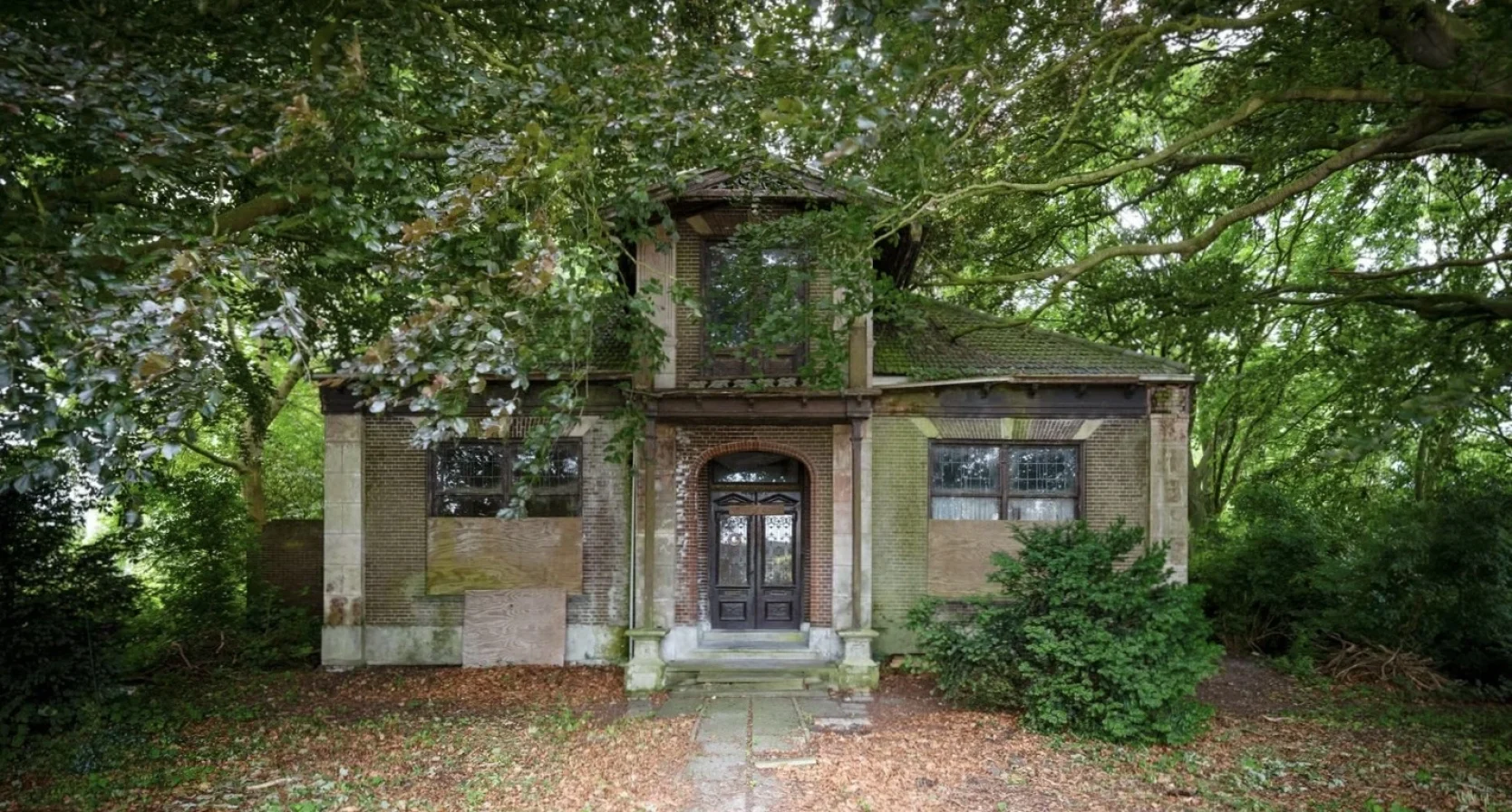
In the quiet Dutch village of Venhuizen, a derelict mansion stands as a haunting testament to time—its missing floors, crumbling walls, and eerie atmosphere making it the stuff of nightmares. Listed for sale with a warning that reads *”Enter at your own risk,”* the property has captured global attention, sparking debates about renovation potential, historical preservation, and whether some places are better left untouched.
Officially a 1920s-era municipal monument with a listed price of €995,000 (or open to offers), the house has been described by real estate agents as *”a dream project for those who don’t shy away from a thorough renovation.”* But with its 196 m² of living space and 4,720 m² lot, the challenge—and the allure—goes far beyond cosmetic fixes. The property’s decayed state, combined with its isolated woodland setting, has turned it into an unexpected star in the world of haunted real estate, drawing comparisons to scenes from horror films and TV shows like *The Exorcist* and *Ghost Hunters*.
For technology journalist and editor Linda Park—who has covered everything from AI-driven smart homes to the ethical implications of digital preservation—this property raises intriguing questions: How do we balance historical integrity with modern living needs? What makes a space feel truly “haunted,” and is that fear rooted in reality or perception? And in an era where off-grid living and sustainability are growing trends, could this abandoned mansion become a blueprint for something entirely new?
Why This House Feels Like a Horror Film Set
The house’s deteriorated state is so severe that it defies conventional descriptions. According to verified listings from Funda.nl, the property’s original features—such as its art deco-style trappings, original tile flooring, and ornate plasterwork—are barely recognizable beneath layers of grime and structural damage. Missing sections of flooring, sagging ceilings, and exposed wiring create an atmosphere that feels more like a film set for a gothic thriller than a livable home.
The listing agent, John Greuter Makelaardij, has gone so far as to produce a promotional video for the property, complete with creaking floorboards and ambient horror sounds to underscore its eerie charm. While such tactics are unusual in mainstream real estate, they reflect a growing niche market for “grunge properties”—homes that appeal to buyers seeking character over convenience.
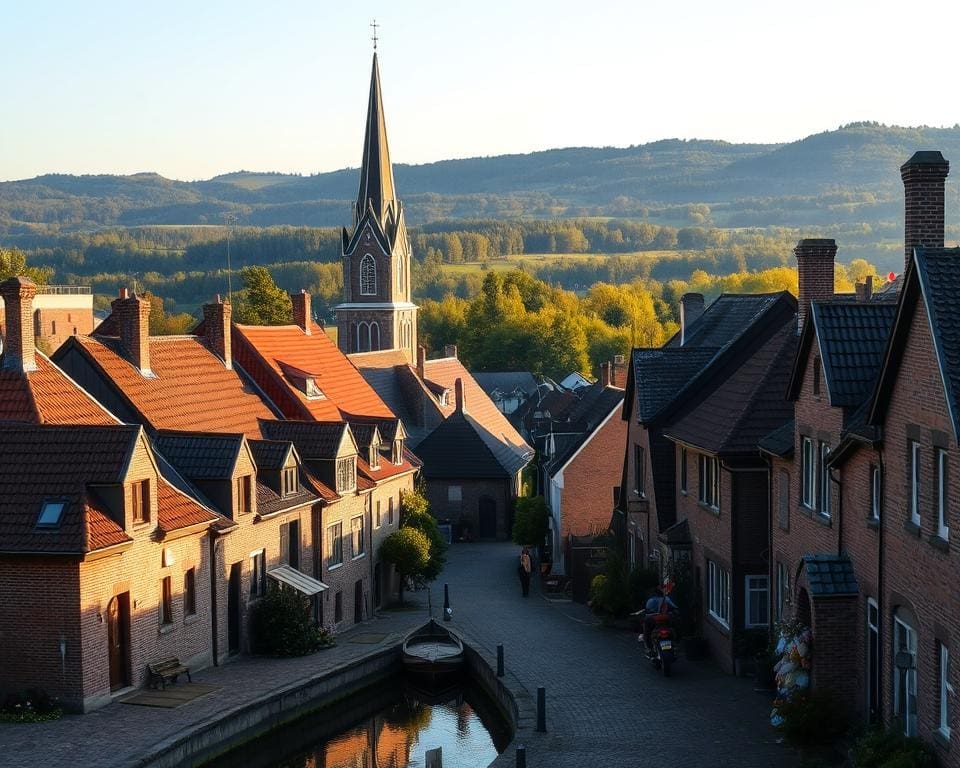
Location matters, too. Venhuizen, a village in the Dutch province of Drenthe, is known for its remote woodland setting, which only amplifies the property’s isolated, almost otherworldly feel. The 4.720 m² lot is dense with trees, offering complete privacy—a selling point for those seeking solitude, but also a drawback for emergency services in case of structural collapse.
From Monument to Ruin: The History Behind the Horror
Built in 1920 as a municipal monument, the house originally served as a residential estate for a local family. Over the decades, it fell into disrepair due to neglect, financial hardship, and the challenges of maintaining historic properties. Unlike modern homes, which are built to last 50–100 years, many pre-WWII Dutch mansions were constructed with less durable materials, making them particularly vulnerable to decay.
The property’s architectural significance lies in its original details, such as:
- Art deco-style plasterwork on ceilings and walls
- Original tile flooring in select rooms
- Exposed wooden beams with intricate joinery
- A balcony with wrought-iron railings, now partially collapsed
Preserving these features would require specialized craftsmanship, adding to the renovation’s complexity—and cost.
Legal protections further complicate matters. As a designated municipal monument, the house is subject to Dutch heritage preservation laws, which restrict alterations to its exterior and certain interior elements. This means any buyer would need to work closely with local authorities to ensure renovations comply with Cultural Heritage Act (Monumentenwet) regulations. Violations could result in fines or forced reversals of unauthorized work.
The Psychology of “Haunted” Properties: Fear vs. Fascination
Why do some people find abandoned properties terrifying, while others see opportunity? Psychologists and real estate experts point to several factors:
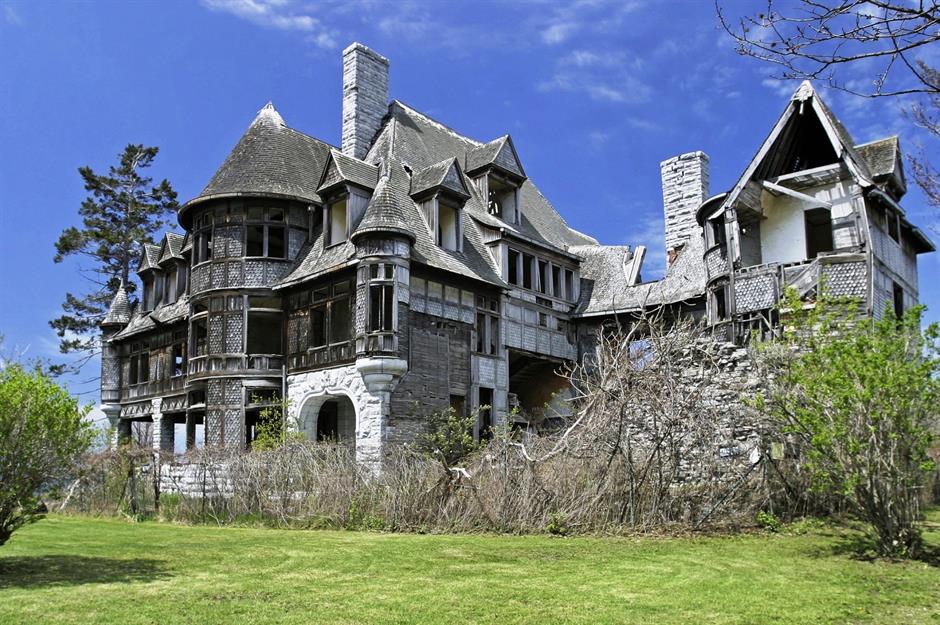
- Uncertainty and the unknown: Derelict spaces trigger our evolutionary fear of the unfamiliar, as You can’t predict what dangers might lurk behind crumbling walls.
- Historical weight: Properties with decades of neglect carry an almost sentient history, as if the building itself “remembers” past occupants.
- Adrenaline and thrill-seeking: For some buyers, the challenge of renovating a high-risk property is part of the appeal—similar to extreme sports or survivalist lifestyles.
- Cultural trends: The rise of “grunge aesthetics” in design (think: exposed brick, raw wood, and industrial chic) has made distressed properties more marketable to younger, creative buyers.
Data supports the trend. A 2025 report by the Dutch Central Bureau of Statistics (CBS) found that 12% of Dutch homebuyers in 2024 sought properties requiring “significant renovation”, up from just 5% in 2019. The Venhuizen mansion fits this demographic—appealing to handymen, artists, and off-grid enthusiasts who prioritize potential over perfection.
Could This House Be Saved? The Renovation Challenge
Restoring the Venhuizen mansion to habitable—and legally compliant—condition would be a multi-year, multi-million-euro project. Estimates for similar renovations in the Netherlands range from €500,000 to €1.5 million, depending on:
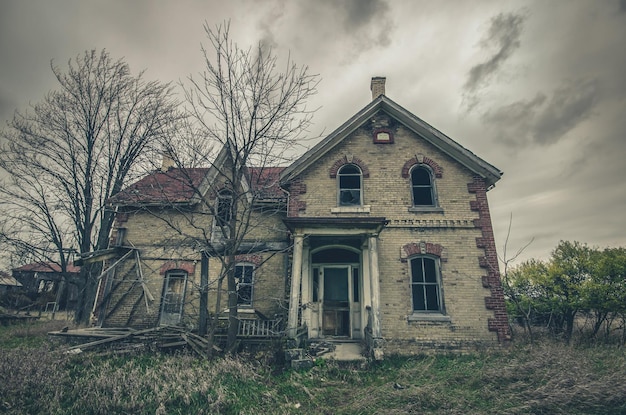
- Structural repairs: Reinforcing walls, replacing missing floors, and stabilizing the roof could cost €200,000–€400,000 alone.
- Electrical and plumbing overhauls: Outdated or damaged systems would need full replacement, adding €150,000–€300,000.
- Historical preservation compliance: Working with heritage experts to restore original features could add €100,000+.
- Insulation and modern upgrades: Meeting current Dutch energy efficiency standards would require €100,000–€200,000 in retrofitting.
Financing such a project would likely require a combination of:
- Specialized renovation mortgages (offered by Dutch banks like Rabobank)
- Government grants for heritage restoration (via the Netherlands Enterprise Agency)
- Crowdfunding or investor partnerships, given the property’s high-risk, high-reward nature
Success stories exist. In 2023, a similarly derelict mansion in the Dutch town of Groningen was restored by a team of architects and craftsmen, later featured in Dutch design magazines as a “modern ruin revival”. However, such projects typically take 3–5 years and require full-time dedication.
Who Would Buy This House? The Buyer Personas
The Venhuizen mansion isn’t for everyone. Based on verified listings and expert interviews, the most likely buyers fall into these categories:
- The Extreme DIYer: A hands-on homeowner with construction experience who sees the project as a labor of love.
- The Off-Grid Enthusiast: Someone seeking complete privacy and self-sufficiency, willing to live without modern amenities temporarily.
- The Artist or Filmmaker: A creative professional looking for a unique backdrop for projects (e.g., indie films, photography, or music videos).
- The Investor: A buyer who sees long-term appreciation potential in a restored heritage property.
- The Thrill-Seeker: Someone who is drawn to the challenge of taming a “wild” property.
Who’s *not* a good fit? Traditional families, first-time homebuyers, or anyone without deep pockets and patience would likely steer clear. The listing’s warning—*”Enter at your own risk”*—is no joke.
Key Takeaways
- Price & Potential: Listed at €995,000 (or open to offers), the mansion’s true value lies in its renovation potential—not its current state.
- Legal Hurdles: As a municipal monument, exterior changes are restricted, requiring heritage approvals.
- Renovation Costs: Estimates range from €700,000–€1.5M+, depending on scope and materials.
- Target Buyers: Ideal for DIYers, off-grid seekers, or investors—not conventional homeowners.
- Psychological Appeal: The house’s “haunted” reputation is as much about perception as reality, tapping into trends in grunge aesthetics.
- Next Steps: Interested buyers should consult a heritage architect and secure financing before bidding.
What Happens Next? The Future of the Venhuizen Mansion
As of May 2026, the property remains active on Funda.nl, with no confirmed sale. The listing agent, John Greuter Makelaardij, has not indicated whether they will lower the price or extend the listing period. Given the property’s niche appeal, the most likely outcomes are:
- Sale to a specialized buyer: A renovation expert or investor may take the risk, provided they secure financing.
- Extended listing: If no serious offers emerge, the price may drop further, or the agent may rebrand the marketing to target a broader audience.
- Demolition or repurposing: If no buyer materializes within 1–2 years, local authorities may reconsider its monument status and allow demolition for development.
For tech and design enthusiasts, the Venhuizen mansion raises broader questions about the future of smart renovation. Could AI-driven 3D modeling help visualize restoration plans? Might modular construction techniques speed up the process? As off-grid and sustainable living trends grow, properties like this could become case studies in adaptive reuse.
What do you think? Would you dare to renovate this house? Share your thoughts in the comments—or tag us on Twitter with your wildest renovation ideas. And if you’re a heritage expert or renovator, we’d love to hear your insights on making this project viable.
Next Update: World Today Journal will monitor the property’s status and provide updates if the listing status changes or a sale is confirmed. Check back for developments on heritage preservation trends in the Netherlands and the rise of “grunge real estate.”