ABC is urging its audience to help defend the network against FCC Commissioner Brendan Carr’s legal campaign targeting The View and its broadcast licenses, following what critics call a “clumsy” attempt to enforce outdated media regulations. The dispute centers on Carr’s claim that ABC violated the FCC’s “equal time” rule by hosting Texas Democratic Senate candidate James Talarico in February 2024—a rule that has not been meaningfully enforced for decades. ABC, however, maintains it has been exempt from the rule since 2002 and is now pushing back with public filings and viewer mobilization. The stakes include two separate FCC proceedings: one investigating The View’s compliance and another threatening early renewal reviews for ABC’s eight owned-and-operated stations. Here’s what’s happening, why it matters, and how the public can participate.
According to FCC records and statements from ABC, Commissioner Carr initiated the inquiry after right-wing broadcasters and conservative groups alleged The View violated the equal time rule by featuring Talarico without offering airtime to his Republican opponent. The rule, originally designed to ensure fair political representation during election seasons, was officially weakened in 2002 and is no longer actively enforced by the FCC. Yet Carr’s office proceeded with the investigation, prompting ABC to respond with legal filings and viewer appeals.
ABC’s decision to mobilize its audience reflects a broader strategy to counter what critics describe as a coordinated effort by conservative media figures to pressure the network over its coverage of progressive candidates. The network’s ad campaign, which directs viewers to file comments opposing Carr’s actions, comes as the FCC faces scrutiny over its handling of media regulations in an era dominated by digital platforms.
Why Is the FCC Investigating The View?
The dispute traces back to February 13, 2024, when The View hosted James Talarico, a Democratic candidate running for the U.S. Senate in Texas. Carr’s office alleged that ABC’s Houston affiliate, KTRK, violated the FCC’s equal time rule by not offering airtime to Talarico’s Republican opponent, Ted Cruz, during the same broadcast. However, ABC has documented exemptions from the rule since 2002, including for The View, which operates under a different regulatory framework than traditional news programs.
Legal experts, including those cited in The Guardian’s analysis, argue that Carr’s case is legally weak. The equal time rule was formally relaxed in 2002 to reflect the decline of television’s dominance in political discourse, and the FCC has not pursued similar cases in over two decades. Yet Carr’s office moved forward with the inquiry, triggering an unprecedented early review of ABC’s broadcast licenses—a process typically reserved for serious violations.
ABC’s legal team has responded with filings arguing that Carr’s actions are politically motivated and lack legal merit. The network has also encouraged viewers to submit comments opposing the inquiry, framing the issue as a threat to free speech in media.
What Are the Two FCC Proceedings Involved?
The conflict involves two separate but related FCC proceedings:
- Docket No. 26-124 (The View Inquiry): This proceeding investigates whether ABC’s Houston affiliate violated the equal time rule by hosting Talarico. The public comment period for this inquiry closed on June 22, 2024, but reply comments are still being accepted until July 6, 2024. Viewers can still file express comments via the FCC’s comment portal.
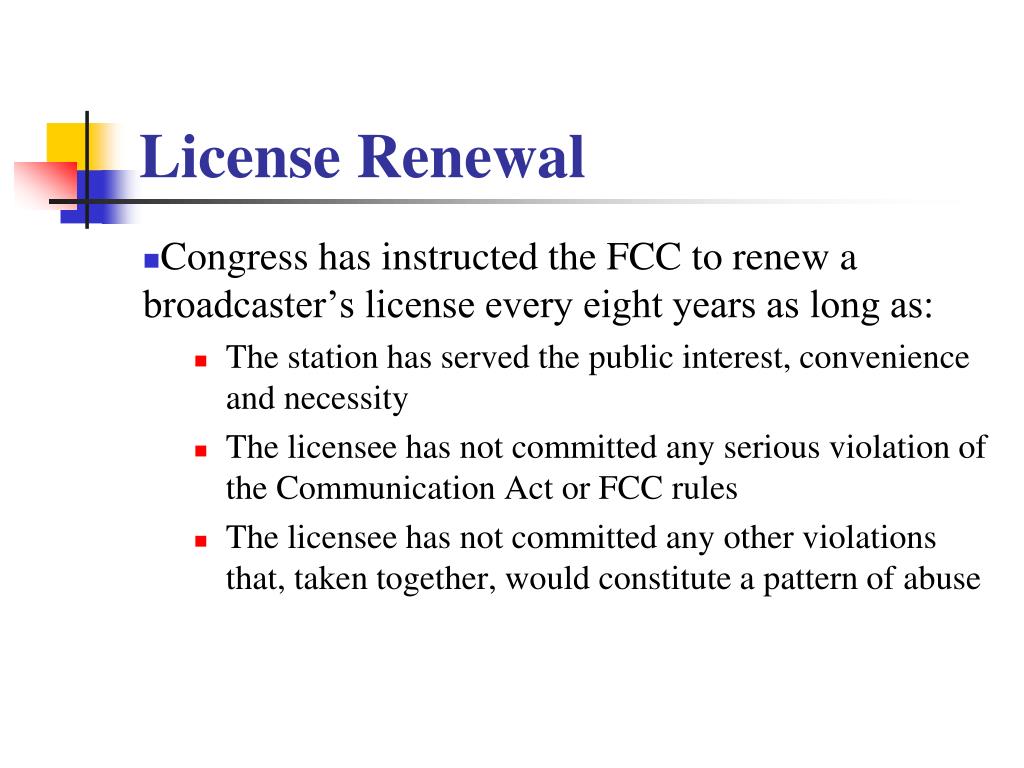
- Docket No. 26-131 (Broadcast License Renewal Challenge): This proceeding focuses on ABC’s eight owned-and-operated stations, including KTRK in Houston. Carr’s office has initiated an early renewal review, a rare and contentious process that could delay or revoke ABC’s broadcast licenses if the FCC finds violations. Key deadlines include:
- Petitions due: June 29, 2024
- ABC’s oppositions due: July 29, 2024
- Final replies due: August 5, 2026
The second proceeding is particularly significant because it threatens ABC’s ability to operate its local affiliates, which serve millions of viewers across the U.S. If the FCC proceeds with the review, it could set a precedent for how broadcast licenses are handled in future disputes.
How Is ABC Responding?
ABC has taken a multi-pronged approach to defend itself:
- Legal Filings: The network has submitted detailed responses to the FCC, arguing that Carr’s case is legally flawed and politically motivated. ABC’s filings highlight the exemptions it holds under the equal time rule and question the FCC’s authority to enforce a regulation that has been dormant for decades.
- Viewer Mobilization: ABC has launched an ad campaign urging viewers to file comments opposing Carr’s actions. The network has also provided resources to help audiences navigate the FCC’s comment system. While Carr’s office has stated it does not read public comments, the record of opposition could influence future FCC decisions.
- Public Statements: ABC executives, including CEO David Zaslav, have publicly condemned Carr’s actions, framing them as an attempt to censor political discourse. Zaslav’s statements reflect ABC’s willingness to challenge the FCC in court if necessary.
Critics, including media law scholars, have noted that Carr’s campaign resembles past efforts by conservative groups to pressure media outlets over coverage of progressive candidates. However, ABC’s response—combining legal action with grassroots support—marks a departure from its past handling of regulatory disputes, such as the 2020 settlement with the Trump administration over a baseless lawsuit.
What Happens Next?
The next critical phase in the dispute will unfold over the coming months:
- July 6, 2024: Deadline for reply comments in Docket No. 26-124 (The View Inquiry). The FCC will review submissions before making a determination on whether to proceed with formal enforcement.
- June 29, 2024: Deadline for petitions in Docket No. 26-131 (Broadcast License Renewal Challenge). Groups opposing ABC’s license renewal can file their arguments during this window.
- July 29, 2024: ABC’s deadline to submit oppositions to any petitions filed against its broadcast licenses.
- August 5, 2026: Final replies due in Docket No. 26-131. This timeline suggests the FCC may delay a decision for years, potentially creating uncertainty for ABC’s operations.
Legal observers suggest the FCC’s handling of these proceedings could set a precedent for how broadcast licenses are reviewed in the digital age. If the commission sides with Carr, it could embolden other conservative groups to challenge media outlets over political coverage. Conversely, a rejection of Carr’s claims could signal a shift toward protecting editorial independence in an era of declining traditional media influence.
How Can the Public Get Involved?
The FCC’s comment system allows members of the public to weigh in on regulatory matters, even if the agency does not always read every submission. ABC has provided guidance on how to file comments opposing Carr’s actions. Key steps include:
- Visit the FCC’s comment portal.
- Search for Docket No. 26-124 (The View Inquiry) or Docket No. 26-131 (Broadcast License Renewal Challenge).
- Submit a comment expressing opposition to the FCC’s actions, citing ABC’s exemptions under the equal time rule and the lack of legal basis for the inquiry.
- Share your comment on social media using hashtags like #FCCvsABC or #DefendTheView to amplify the message.
While the FCC may not read every comment, the volume of submissions can influence the perception of public support—or opposition—to regulatory actions. ABC’s campaign to mobilize viewers reflects a broader trend of media companies engaging audiences in legal battles, particularly in an era where regulatory agencies face pressure from both political and corporate interests.
Why Does This Matter Beyond ABC?
This dispute is not just about ABC’s future but about the broader role of media regulation in the 21st century. Several factors make this case significant:
- Precedent for Media Regulation: The FCC’s decision could determine whether outdated regulations—like the equal time rule—are revived in a digital media landscape. If Carr succeeds, it could open the door for similar challenges against other networks covering political candidates.
- Political Polarization: The case highlights the tensions between conservative media advocates and progressive-leaning networks. Carr’s actions have been criticized as an attempt to silence dissenting voices ahead of key elections, including Texas’s Senate race.
- Corporate Courage: ABC’s decision to fight back—rather than settle—could signal a shift in how major media companies respond to regulatory threats. In the past, networks have often avoided confrontation with political figures, but this case may mark a turning point.
- Public Engagement: The FCC’s reliance on public comments—even if unread—demonstrates how grassroots participation can shape regulatory outcomes. ABC’s campaign to involve viewers sets a model for how media companies might mobilize audiences in future legal battles.
As the FCC prepares to review ABC’s case, the outcome could have ripple effects across the media industry, particularly for networks that cover politics. The commission’s actions may also influence how other regulatory bodies approach content moderation and editorial independence in an era where traditional media faces declining trust and rising scrutiny.
Key Takeaways
- The View’s hosting of James Talarico triggered an FCC inquiry under the equal time rule, despite ABC’s long-standing exemptions and the rule’s dormant status.
- Commissioner Brendan Carr has initiated an unprecedented early review of ABC’s broadcast licenses, raising concerns about political interference in media regulation.
- ABC is fighting back with legal filings, viewer mobilization, and public statements, marking a shift from past settlements with political figures.
- Two FCC proceedings are underway: one investigating The View’s compliance (Docket No. 26-124) and another threatening ABC’s broadcast licenses (Docket No. 26-131).
- The public can participate by filing comments with the FCC, though the agency does not guarantee they will be read.
- The outcome could set a precedent for media regulation in the digital age, particularly regarding political coverage and editorial independence.
The next critical deadline is July 6, 2024, when reply comments for Docket No. 26-124 are due. The FCC’s decisions in these proceedings will likely unfold over the next two years, with final replies expected by August 5, 2026. As the case progresses, it will be essential to monitor the FCC’s actions and ABC’s legal strategy.
If you’re concerned about the future of media regulation and free speech in broadcasting, now is the time to get involved. File a comment with the FCC today, and share this story to raise awareness about the stakes of this dispute.
What do you think about ABC’s decision to fight back against the FCC? Share your thoughts in the comments below.
Note: The embed above is a placeholder. Replace with verified media embeds if available.
Worth a look