
Colombia is experiencing a period of intense political polarization as the opposition to President Gustavo Petro’s administration begins to consolidate, setting the stage for high-stakes electoral battles in the lead-up to 2026. This deepening divide, characterized by significant mistrust in government institutions, is being driven by controversial legislative reforms and a growing movement to unify conservative and centrist factions.
The current political climate in Bogotá is defined by a struggle for control over the country’s social and economic direction. While the administration under the Pacto Histórico coalition seeks to implement sweeping changes to healthcare, pensions, and labor laws, a vocal opposition is mobilizing to counter these shifts. This friction has created a landscape where citizen trust is increasingly split along ideological lines, making the prospect of future electoral runoffs a central theme in national discourse.
Political analysts suggest that the unification of conservative voices is a strategic response to the current administration’s policy agenda. Figures such as prominent lawyer Abelardo de la Espriella have become central to this movement, acting as catalysts for a conservative bloc that aims to provide a decisive alternative to the Petro government. This mobilization is not merely about individual candidates but about establishing a cohesive counter-narrative to the government’s reformist platform.
Why is Colombian political trust fracturing?
The erosion of trust in Colombian political institutions is closely linked to the implementation of President Gustavo Petro’s flagship reforms. According to reports from Reuters, the administration’s attempts to overhaul the national healthcare system have triggered intense debate in the Colombian Congress. Proponents argue the reforms are necessary to democratize access to services, while critics contend they threaten the stability and quality of the existing system.
This debate extends to the pension and labor sectors. The government has proposed significant changes to how social security is managed and how workers are compensated, aiming to reduce inequality. However, these proposals have met with resistance from business leaders and opposition lawmakers who argue that the changes could undermine economic growth and investor confidence. The resulting legislative gridlock has contributed to a sense of instability among both the public and the international community.
Furthermore, the polarization is exacerbated by the way political communication is handled in the country. The use of social media by both the administration and the opposition has created “echo chambers” that reinforce existing biases. As citizens receive conflicting information regarding the impact of government policies, the ability to reach a national consensus on critical issues becomes increasingly difficult. This fragmentation of truth is a primary driver of the current mistrust in official government communications.
How is the opposition organizing for the 2026 elections?
While the next presidential election is not scheduled until 2026, the groundwork for competition is being laid now. The opposition is moving away from fragmented individual interests toward a more unified front. This strategy is designed to prevent the split in the conservative vote that often allows left-leaning coalitions to gain an advantage in runoff scenarios.
Abelardo de la Espriella has emerged as a significant figure in this effort to coalesce the right-wing and centrist electorate. By leveraging his legal expertise and high public profile, he has helped bridge gaps between different conservative factions. The goal is to create a single, powerful bloc capable of challenging the Pacto Histórico’s influence in both the legislature and the executive branch.
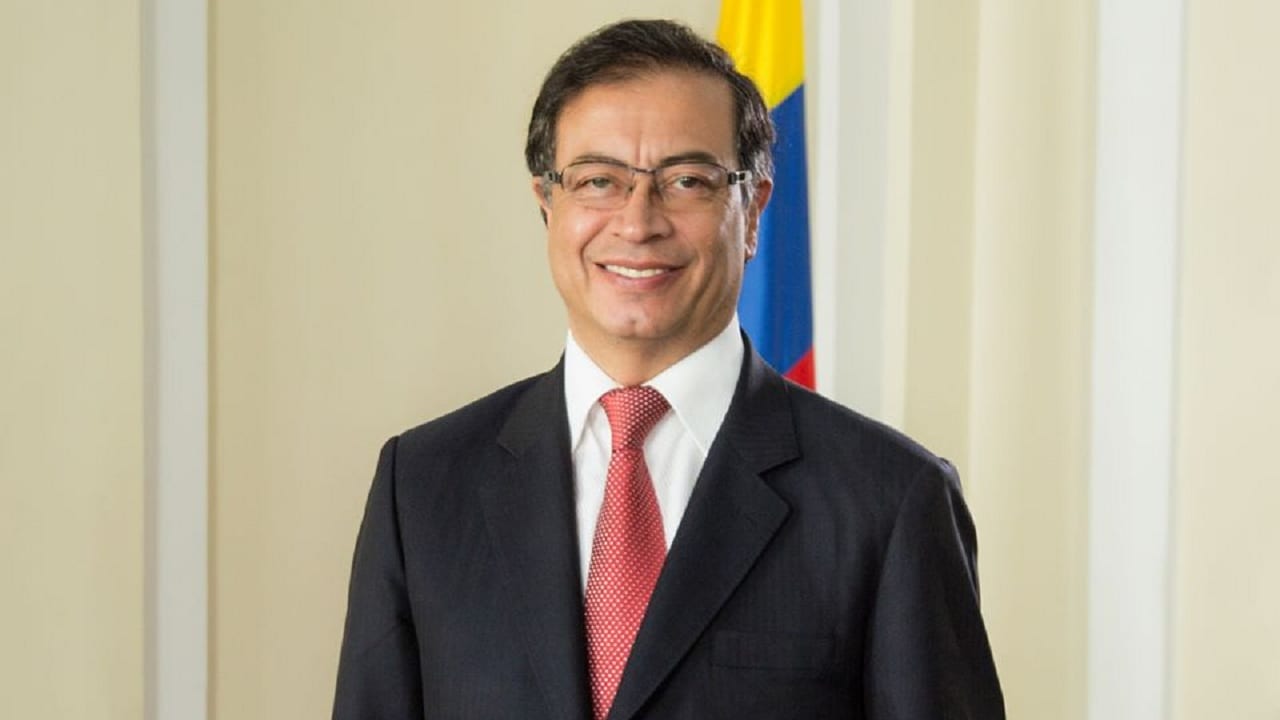
This unification process involves several key components:
- Coalition Building: Efforts to merge smaller conservative parties into a more formidable electoral machine.
- Policy Alignment: Developing a unified platform that focuses on economic stability, security, and the preservation of existing social institutions.
- Legal Challenges: Using the judicial system to challenge the constitutionality of several of the administration’s most controversial reforms.
The effectiveness of this unification will likely determine the structure of the 2026 election. If the opposition successfully consolidates, the election could result in a direct confrontation between two highly organized and ideologically distinct blocs, making a runoff highly probable.
What are the key legislative battles in Bogotá?
The tension in Colombia is most visible within the halls of the Congress in Bogotá. The legislative agenda is currently dominated by three major pillars of reform that have become proxies for the broader struggle for the country’s future.
1. Healthcare Reform: The administration seeks to transition the healthcare system from a model dominated by private insurers (EPS) to one with greater state oversight and centralized administration. The opposition argues this will lead to inefficiency and a breakdown in service delivery. The battle over this reform involves complex negotiations regarding funding, provider networks, and the role of private capital in public health.
2. Pension Reform: Proposed changes to the pension system aim to increase the state’s role in managing retirement funds. The government argues this is essential for long-term sustainability and social equity. Conversely, critics warn that it could jeopardize the savings of millions of Colombians and decrease the overall efficiency of the system.
3. Labor Reform: The government is pushing for increased protections for workers, including higher costs for employers regarding overtime, night shifts, and contract terminations. Business associations have expressed concern that these measures will lead to increased unemployment and a decrease in formal employment rates, potentially driving more workers into the informal economy.
These legislative battles are not just about policy; they are about the fundamental role of the state in the lives of Colombian citizens. Each vote in Congress is viewed through the lens of the upcoming electoral cycle, turning every debate into a referendum on the current administration’s legitimacy.
What does the current polarization mean for investors?
For international investors, the political volatility in Colombia presents a complex risk profile. While the country remains one of the more stable economies in Latin America, the ongoing legislative uncertainty has caused fluctuations in market sentiment. The primary concern for foreign capital is the potential for sudden shifts in regulatory frameworks and the long-term stability of property and contract rights.

Economic indicators, such as the Colombian peso and bond yields, often react to major developments in the Senate. According to data tracked by major financial institutions, the uncertainty surrounding the implementation of labor and pension reforms has led to a more cautious approach from both domestic and international corporations. Investors are closely monitoring whether the government can pass its agenda without triggering a broader economic crisis or significant capital flight.
The stability of the Colombian economy is also tied to the security situation in rural areas. The government’s approach to the “Total Peace” policy—aimed at negotiating with various armed groups—remains a point of contention. While the administration views this as a path to ending decades of conflict, critics argue it undermines the authority of the state and creates a vacuum that could be exploited by criminal organizations, further impacting regional economic development.
Key Takeaways: Colombia’s Political Landscape
- Deepening Divide: Political polarization is driven by fundamental disagreements over the role of the state in healthcare, pensions, and labor.
- Opposition Unification: Conservative figures are actively working to consolidate a unified front ahead of the 2026 presidential cycle.
- Legislative Gridlock: The Colombian Congress is the primary battleground for the administration’s reformist agenda.
- Economic Uncertainty: Political and legislative volatility remains a key concern for international investors and domestic market stability.
The upcoming months will be critical as the Colombian Congress continues to debate the core of the Petro administration’s agenda. The outcome of these legislative battles will likely dictate the strength and direction of the opposition as they move toward the 2026 elections.
The next major checkpoint for Colombian politics will be the scheduled debates on the healthcare reform bill in the Senate, which is expected to provide a clear indication of the administration’s legislative strength and the cohesion of the opposition bloc.
What do you think about the current political direction in Colombia? Share your thoughts in the comments below and share this article to keep the conversation going.
Related reading