
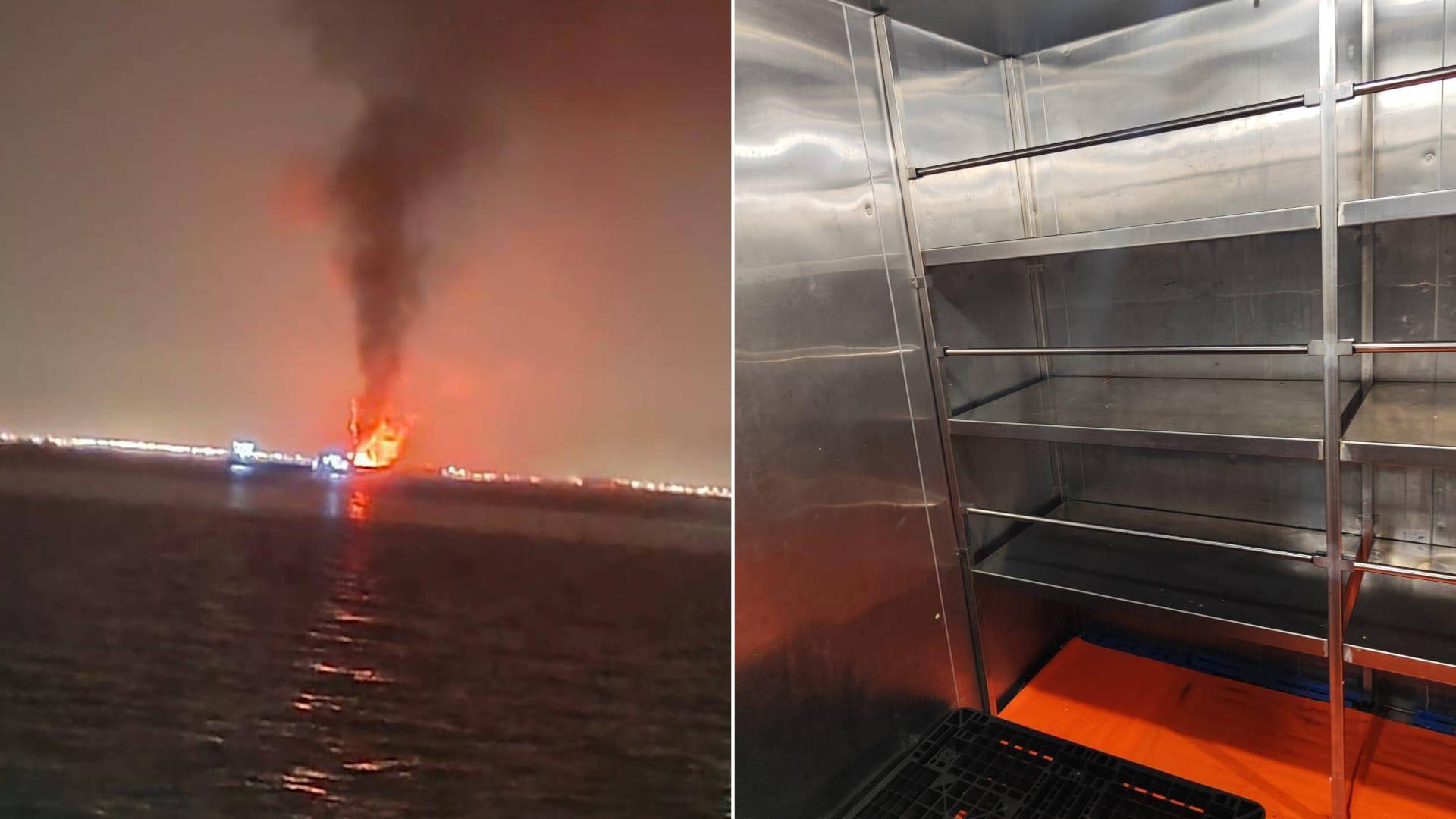
The waters of the Strait of Hormuz, one of the world’s most critical maritime chokepoints, have become a floating prison for thousands of maritime workers. As the geopolitical standoff between the United States and Iran intensifies through rival blockades, a humanitarian crisis is unfolding in silence. More than 20,000 Global South ship workers stranded on commercial vessels are currently trapped in the region, unable to navigate out of the conflict zone or secure safe passage home.
These seafarers, primarily working-class men from developing nations, form the backbone of the global shipping industry. However, they now find themselves as collateral damage in a high-stakes military confrontation. Approximately 1,500 vessels—including oil tankers and cargo ships—are currently immobilized, leaving their crews exposed to the volatility of a war zone for which they were never trained.
As Chief Editor of Business at World Today Journal and an economist, I have watched the global supply chain weather many storms, but the current situation in the Gulf is a profound failure of international labor protections. This is not merely a logistical delay; it is a systemic collapse of the duty of care owed to the workers who keep global trade moving.
The Scale of the Maritime Crisis
The numbers are staggering. According to reports from labor advocates, over 20,000 seafarers are currently stuck on the water. The concentration of these workers on roughly 1,500 ships creates a dense pocket of vulnerability. These vessels, ranging from massive crude oil tankers to container ships, are caught between rival blockades, making movement nearly impossible without risking seizure or attack.
The demographic makeup of these crews is a stark reminder of the inequality inherent in maritime labor. The majority of those stranded are from the Global South, often recruited from nations with fewer diplomatic levers to pull when their citizens are endangered abroad. This imbalance of power leaves them with little recourse as they remain suspended in a legal and physical limbo.
A Humanitarian Emergency at Sea
Life on board these stranded vessels has deteriorated rapidly. The lack of movement means that standard supply chains for food and water have been severed. The crews are facing critical shortages of basic necessities required for survival.

Mohamed Arrachedi of the International Transport Workers’ Federation has highlighted the severity of the situation, noting a dire lack of food, water, and general provisions. He describes the seafarers as “exposed and absolutely vulnerable,” emphasizing that the basic human rights of these workers are being ignored in the shadow of military objectives.
Beyond the physical deprivation, the psychological toll is mounting. Many workers have lost consistent communication with their families, exacerbating a sense of isolation and despair. Manoj Yadav, general secretary of the Forward Seamen’s Union of India, has warned that the mental health of these workers is deteriorating rapidly. Yadav points out a fundamental disconnect in their preparation: while these men are highly skilled in operating merchant vessels, they have received no training for survival in an active war zone.
The Legal and Financial Trap
The crisis is compounded by a layer of bureaucratic and financial abandonment. Many of the stranded seafarers have gone unpaid for several weeks, leaving them without the means to support their families at home or secure their own futures should they manage to escape. This financial instability is a common feature of the “flag of convenience” system, where ships are registered in countries with lax labor laws, often distancing the actual owners from the legal responsibilities of crew welfare.
the prospect of disembarking is blocked by strict visa requirements. Even when ships are physically near the coast of Gulf countries, the crews lack the necessary visas to step ashore. This creates a paradoxical situation where workers are within sight of land but are legally barred from entering it, effectively turning their ships into floating detention centers.
Economic Implications of the Blockade
From an economic policy perspective, the stranding of 1,500 vessels in the Strait of Hormuz is more than a labor tragedy; it is a significant disruption to global energy and commodity markets. The immobilization of oil tankers in one of the world’s most vital energy arteries creates volatility in global oil prices and disrupts the “just-in-time” delivery models that modern commerce relies upon.

However, the long-term economic cost is the erosion of the maritime labor force. When thousands of workers from the Global South are abandoned during a crisis, it creates a legacy of distrust and instability in the labor market. The cost of replacing experienced crews and the potential for widespread labor unrest in the shipping sector could lead to higher operational costs for global trade in the years to come.
Key Takeaways of the Current Crisis
- Human Toll: Over 20,000 seafarers from the Global South are currently stranded.
- Vessel Impact: Approximately 1,500 commercial ships, including tankers and cargo vessels, are immobilized.
- Resource Scarcity: Critical shortages of food and water are being reported across the stranded fleet.
- Legal Barriers: Lack of visas and unpaid wages prevent crews from disembarking or supporting their families.
- Psychological Strain: Severe mental health deterioration due to war-zone exposure and family separation.
The international community must look beyond the military strategy of blockades and recognize the human cost of this conflict. The protection of non-combatant maritime workers should be a non-negotiable priority for both the United States and Iran. Without a coordinated diplomatic effort to provide safe corridors for crew changes and the delivery of essential provisions, the situation will only move from a crisis of vulnerability to a catastrophe of loss.
We will continue to monitor the situation in the Strait of Hormuz. The next critical checkpoint will be the upcoming review of maritime safety protocols by international regulatory bodies, where the fate of these 20,000 workers must be addressed.
Do you believe international maritime law is sufficient to protect workers in conflict zones? Share your thoughts in the comments below or share this article to bring attention to this unfolding crisis.