ACA Subsidies Face Imminent Expiration: What It Means for Your Healthcare Costs
The future of affordable healthcare under the Affordable Care Act (ACA) hangs in the balance as enhanced subsidies are set to expire on December 31st. This critical deadline has become a focal point for lawmakers, with potential consequences for millions of Americans. Here’s a breakdown of the situation, what’s at stake, adn what you need to know.
The Stakes are High: Understanding the Subsidies
For the past few years, expanded financial assistance has considerably lowered healthcare costs for many Americans. These enhanced subsidies have allowed some low-income individuals to receive health plans with $0 premiums, while making coverage more affordable for middle-income earners. Without congressional action,these benefits will disappear,potentially leading to a substantial increase in premiums and a rise in the number of uninsured.
The Congressional budget Office (CBO) projects the following impacts if the subsidies lapse:
* 2026: 400,000 fewer people with health insurance.
* 2027: 3 million fewer people with health insurance.
* 2028: 4 million fewer people with health insurance.
* 2029: 1.1 million fewer people with health insurance.
Furthermore, premiums are expected to more than double, potentially pushing millions off the ACA exchanges.
What’s Happening in Congress?
Despite the urgency, a resolution remains elusive. A Senate vote is scheduled for Thursday on both an extension of the enhanced subsidies and a Republican alternative. However, neither bill is currently expected to pass.
The Republican proposal, spearheaded by Senators Mike crapo and Bill Cassidy, suggests redirecting funds to Health Savings Accounts (HSAs) linked to high-deductible ACA plans. This approach aims to provide financial assistance in a different form, but faces opposition from democrats who favor extending the existing subsidies.
Why the Impasse?
The debate isn’t simply about cost. While the financial assistance is substantial, Republicans also raise concerns about potential fraud within the ACA exchanges. They argue for alternative solutions that address these concerns while still providing support for healthcare access.
However, even if a three-year extension of the subsidies were passed immediately, the CBO notes that gross premiums for 2026 are already locked in. The impact of an extension would be felt in subsequent years, offering some relief from projected premium increases.Specifically:
* 2027: 5.7% lower benchmark premiums.
* 2028: 9% lower benchmark premiums.
* 2029: 3.3% lower benchmark premiums.
This is because the ACA limits how much subsidized enrollees pay based on their income, shielding them from the full impact of premium hikes.
Enrollment is Underway – What Does This Mean for You?
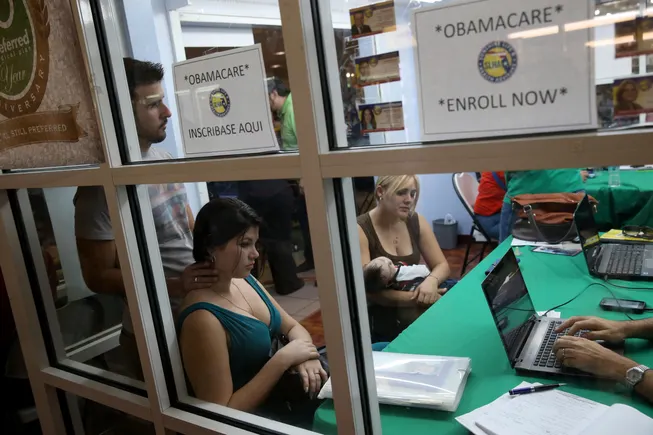
The open enrollment period for ACA exchange plans is already underway. This means you can currently shop for and enroll in a plan for the 2026 plan year.
Here’s what you should do:
- Explore your options: Visit Healthcare.gov to browse available plans and estimate your potential subsidy eligibility.
- Understand the potential impact: Be aware that if the subsidies expire, your premium costs could significantly increase when you renew your plan next year.
- Stay informed: Monitor news and updates from Congress regarding the future of the ACA subsidies.
The Bigger Picture: A Complex Challenge
The situation highlights the ongoing challenges of healthcare policy in the United States. Finding a enduring solution that balances affordability, access, and fiscal responsibility remains a complex undertaking. While the immediate future is uncertain, understanding the potential consequences of the expiring subsidies is crucial for you to make informed decisions about your healthcare coverage.
Resources:
* [ACAPremiumIncreaseestimates[ACAPremiumIncreaseestimates[ACAPremiumIncreaseestimates[ACAPremiumIncreaseestimates
Worth a look