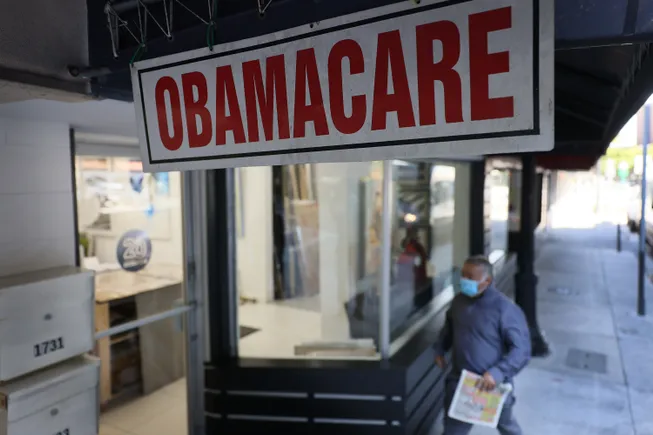
Fraud concerns Rise Within Affordable Care Act Marketplaces, threatening Subsidies & Access too Care
Recent scrutiny from the Government Accountability Office (GAO) has revealed concerning vulnerabilities within the Affordable Care act (ACA) marketplaces, raising questions about enrollment integrity and potentially impacting the future of crucial financial assistance programs. As a long-time observer of the healthcare landscape, I’ve seen these marketplaces evolve, and these findings demand a serious look.
identifying and Addressing Enrollment Fraud
The GAO report highlights several areas of concern. While the Centers for Medicare & Medicaid Services (CMS) has implemented safeguards – including identity verification processes and regular data matching to detect deceased individuals – loopholes remain. Specifically, the report notes instances where multiple plans were attempted for a single social Security number, suggesting potential identity theft. CMS employs more than one plan to ensure the actual holder of that number can enroll in coverage even if their identity has been stolen. They also review the marketplace monthly to catch duplicate enrollments.
Furthermore, the marketplace doesn’t automatically terminate coverage for deceased individuals within households, a practice that, while intended to avoid disruption for surviving family members, could be exploited.
The Role of Brokers & Agents: A Potential Weak Link
A important portion of the GAO’s investigation focused on the role of insurance agents and brokers. These intermediaries, compensated on commission, have a clear financial incentive to maximize enrollments. The report uncovered a troubling trend: at least 30,000 ACA applications in 2023 and a staggering 160,000 in 2024 showed “likely unauthorized changes.”
This isn’t simply about a few isolated incidents. The sheer volume suggests potential misconduct, including unauthorized enrollment modifications, enrolling individuals without their consent, and even creating entirely fictitious enrollments. Adding to the concern, some brokers previously suspended for questionable activity have been reinstated, ostensibly to adhere to procedural requirements.In October, CMS suspended 850 brokers for suspected fraud, but later reinstated them in May.
Political Implications & the Future of ACA Subsidies
These findings arrive at a critical juncture. Enhanced ACA subsidies, enacted during the pandemic, are set to expire at the end of 2025.These subsidies have been instrumental in driving record enrollment, extending affordable coverage to millions, including those with higher incomes and increased assistance for low-income individuals.
However, conservatives have long argued that fraud within the marketplaces justifies allowing these subsidies to lapse. The GAO report provides ammunition for this position. If the subsidies expire, premiums are projected to double, and an estimated 4 million Americans could loose their health insurance.
What’s at Stake & What’s Next?
democrats are pushing for a clean extension of the subsidies, emphasizing the need to protect consumers from a potentially devastating premium spike and allow time for broader healthcare reform discussions. A Senate vote is scheduled for mid-December, but a bipartisan agreement appears increasingly unlikely, with many Republicans favoring the subsidy expiration.
The GAO is continuing its review of CMS auditing practices and marketplace controls. This ongoing oversight is crucial. While the GAO stresses that its initial findings aren’t necessarily representative of the entire ACA population, they are a clear warning sign.
Expert Viewpoint: Protecting the Integrity of the ACA
The integrity of the ACA marketplaces is paramount. Robust fraud prevention measures, stricter oversight of agents and brokers, and a commitment to continuous betterment are essential. Allowing the enhanced subsidies to expire based on concerns about fraud, without addressing the underlying vulnerabilities, would be a shortsighted and damaging outcome.
we need a balanced approach: one that protects consumers,ensures responsible stewardship of taxpayer dollars,and preserves access to affordable healthcare for all Americans. The debate over the ACA’s future is far from over, and the stakes couldn’t be higher.
Key Takeaways:
* Fraud is a growing concern: Unauthorized changes to ACA applications are increasing.
* Broker oversight is critical: The commission-based system creates incentives for misconduct.
* Subsidies are at risk: Fraud concerns are fueling opposition to extending enhanced financial assistance.
* Continued vigilance is needed: Ongoing GAO reviews and CMS improvements are essential.
Worth a look