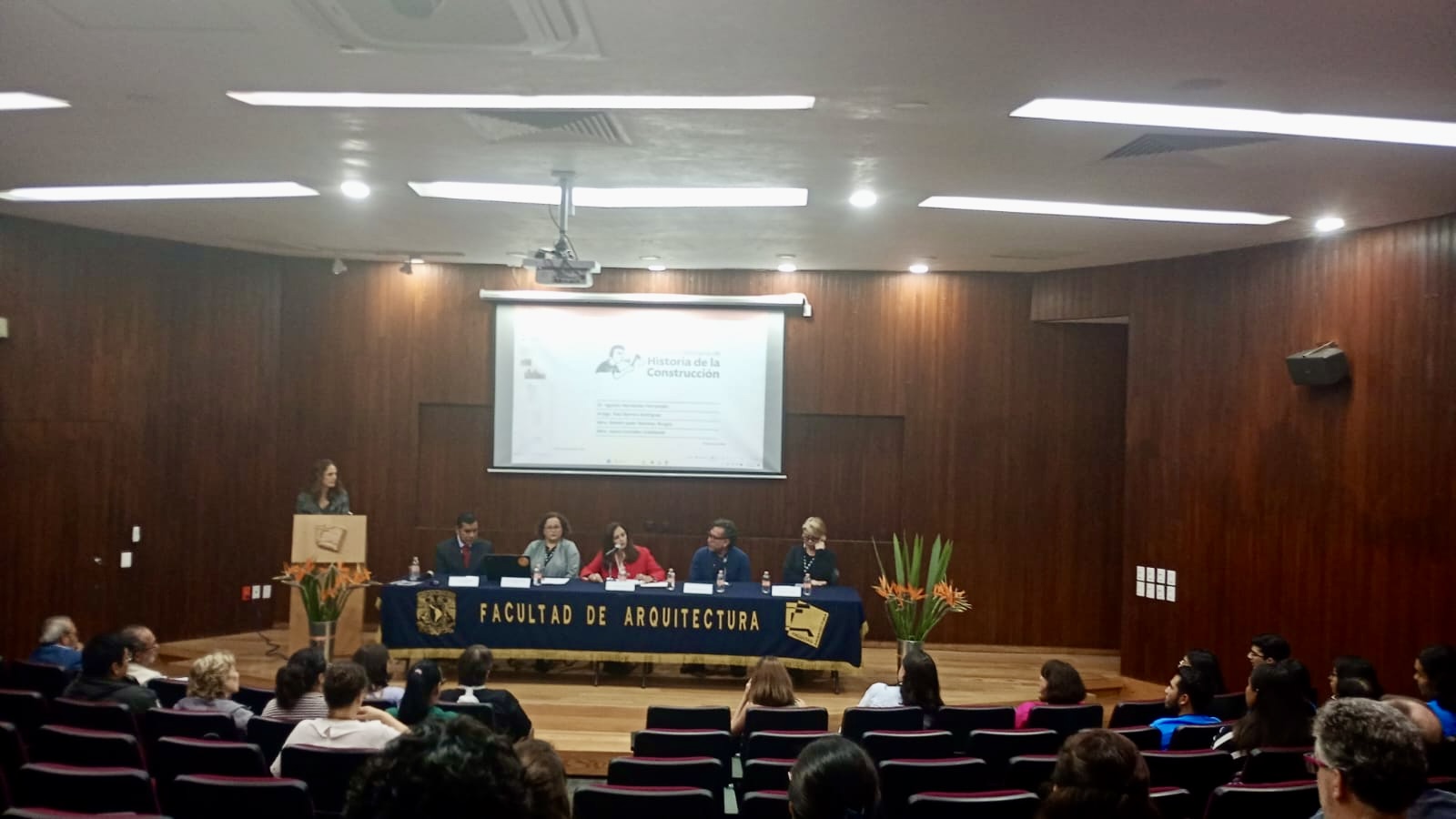
Researchers and faculty members from the Universidad Autónoma de Ciudad Juárez (UACJ) have officially joined the Sociedad Mexicana de Historia de la Construcción (SMHC), marking a significant expansion in the collaborative study of architectural heritage and structural history in Mexico. This integration aims to bolster academic inquiry into the evolution of building techniques and the preservation of historical structures across the northern border region.
The formal inclusion of the UACJ contingent took place during a specialized session dedicated to the documentation and analysis of construction history. According to institutional records, the session was led by Dr. Araceli Galena Estrada, a prominent figure in the field, who oversaw the proceedings as the new members were welcomed into the society. The event served as a platform for interdisciplinary dialogue, highlighting the importance of bridging technical engineering knowledge with historical, archaeological, and architectural research.
Academic Collaboration and Heritage Preservation
The Sociedad Mexicana de Historia de la Construcción operates as a national body focused on the rigorous documentation of construction practices throughout Mexico’s history. By incorporating expertise from the UACJ, the society gains specialized insights into the regional architectural identity of Ciudad Juárez and the wider Chihuahua region. This partnership is expected to facilitate joint research projects, peer-reviewed publications, and technical workshops that examine both colonial-era construction and modern structural developments.
During the session, the presence of distinguished witnesses underscored the significance of the event. Dr. Xavier Cortés Rocha, a noted authority in urban planning and architectural conservation, participated as an honorary witness. His involvement, alongside that of other experts in archaeology and structural history, emphasizes the cross-disciplinary nature of the SMHC’s mission. These collaborations are essential for standardizing the methodologies used to assess the structural integrity of historical sites while respecting their original design intent.
The Role of UACJ in Structural Research
For the Universidad Autónoma de Ciudad Juárez, this membership represents a strategic move to position its faculty within a national network of experts. The institution has previously invested in programs that link civil engineering with the social sciences, a background that aligns with the SMHC’s objective to view construction not merely as a technical act, but as a reflection of cultural and social evolution. The inclusion of these specialists allows for a more comprehensive analysis of how regional environmental factors—such as the climate of the Chihuahuan Desert—have influenced building methodologies over time.
The SMHC often serves as the primary forum for disseminating findings related to the restoration of heritage buildings. With the addition of new members from the UACJ, the society expects to increase its capacity for field studies in northern Mexico. This expansion is particularly relevant given the ongoing challenges in maintaining historical infrastructure against the pressures of rapid urban development and environmental degradation in border cities.
Future Directions and Scholarly Impact
Moving forward, the partnership is slated to produce a series of collaborative research initiatives. The next confirmed checkpoint for the society involves the scheduling of its upcoming national symposium, where the new UACJ members are expected to present preliminary findings from their regional research. These sessions are critical for the academic community, as they provide a venue for the peer review of conservation strategies and the sharing of best practices in architectural restoration.

The integration of UACJ faculty into the SMHC serves as a bridge between localized academic efforts and national standards in structural history. As the society continues its work in documenting the material culture of Mexican construction, the input from northern experts will ensure that the historical record remains diverse and representative of the nation’s broad geographical and architectural landscape. For those interested in the ongoing developments or future research publications, the society maintains official communication channels through its academic portal, where updates on symposium schedules and membership activities are posted regularly.
We invite our readers to share their thoughts on the importance of regional collaboration in historical preservation. Please join the conversation in the comments section below.