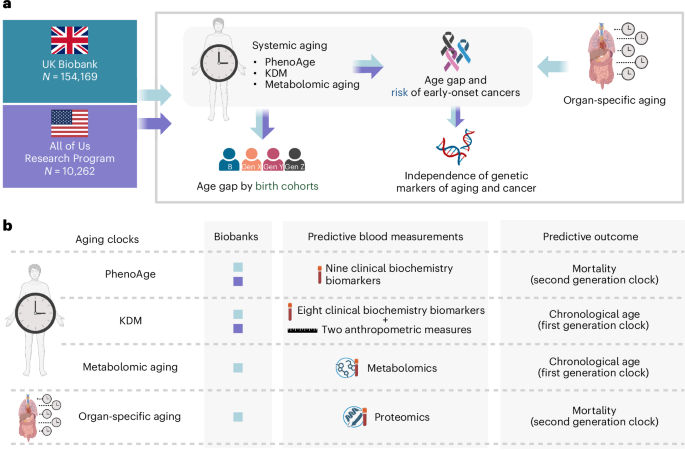
Recent clinical data indicate that younger generations are experiencing accelerated biological aging, a trend that researchers have linked to an increased risk of early-onset cancer. This shift suggests that systemic and organ-specific biological decline—often measured through physiological markers rather than chronological age—is occurring earlier in individuals born in recent decades compared to those born in the mid-20th century. As physicians, we are observing these patterns across diverse population cohorts, necessitating a refined approach to how we screen for and prevent malignancy in younger adults.
The rise in early-onset cancer, defined generally as diagnoses occurring before age 50, has become a focus of significant epidemiological scrutiny. According to the National Cancer Institute, while overall cancer rates in some older demographics have stabilized, incidence rates for specific gastrointestinal and endocrine cancers have climbed steadily among younger populations since the 1990s. The connection between biological aging markers—such as DNA methylation patterns and metabolic health—and these cancer trends represents a critical intersection in modern oncology and preventive medicine.
Defining Biological Aging in Younger Populations
Biological aging refers to the gradual decline in the functional integrity of cells and tissues. Unlike chronological age, which simply tracks the years since birth, biological age can be estimated using “clocks” based on epigenetic data, such as changes in DNA methylation. Emerging research, including longitudinal cohort analyses, shows that younger individuals today may possess a “biological age” that exceeds their chronological age at a rate faster than previous generations.
Factors contributing to this acceleration are multifaceted. The World Health Organization identifies lifestyle-related variables—including shifts in dietary patterns, environmental exposures, and sedentary behavior—as primary drivers of systemic inflammation and metabolic dysfunction. These physiological stressors can induce cellular damage, potentially creating an environment conducive to oncogenesis earlier in life than historically observed.
The Link to Early-Onset Malignancies
The correlation between accelerated aging and cancer risk is supported by the theory of “accumulated cellular damage.” When the body’s repair mechanisms are overwhelmed by persistent metabolic or inflammatory stress, the probability of somatic mutations—the precursors to cancer—increases. Data from the International Agency for Research on Cancer highlight that early-onset colorectal, breast, and pancreatic cancers are increasingly prevalent, often appearing in patients without traditional risk factors such as advanced age or long-term smoking history.

Clinically, this means that the traditional “watch and wait” approach for cancer screening may be insufficient for younger adults. Medical organizations, including the American Cancer Society, have already begun adjusting screening guidelines—most notably lowering the recommended age for initial colorectal cancer screenings from 50 to 45—to account for these shifting epidemiological realities. This policy change reflects an institutional acknowledgment that the biological landscape of the younger population is changing.
What This Means for Preventive Healthcare
For patients, understanding the difference between chronological and biological age is essential. While we cannot change our birth date, we can influence the rate of biological aging through targeted interventions. Evidence-based strategies for maintaining cellular health include the management of insulin resistance, the reduction of chronic systemic inflammation, and the mitigation of environmental toxins. The Centers for Disease Control and Prevention emphasizes that chronic disease management in early adulthood is a primary factor in reducing long-term cancer risk.
Physicians are now tasked with identifying “high-risk” younger patients who may exhibit markers of accelerated aging. This involves a more nuanced clinical assessment, looking beyond simple family history to include metabolic panels, inflammatory markers like C-reactive protein (CRP), and, in some research contexts, epigenetic testing. The goal is to move from reactive treatment to proactive risk mitigation.
Future Directions in Clinical Research
The scientific community remains focused on identifying the specific mechanisms that link accelerated biological aging to tumor development. Ongoing studies are investigating whether these biological clocks can be “reset” or slowed through pharmacological or lifestyle-based interventions. As we gather more longitudinal data, the integration of biological age assessment into routine wellness exams may become a standard tool in early cancer detection.

The next major update on these findings is expected at the upcoming International Congress on Anti-Cancer Research, where researchers will present further cohort analysis regarding the interplay between metabolic syndrome and epigenetic drift in adults under 40. We encourage readers to discuss their personal risk factors with their primary care physicians and to stay informed through official updates from national health ministries. Have you discussed your long-term health markers with your doctor recently? Share your thoughts or questions in the comments section below.