For many individuals living with Parkinson’s disease, the most significant barrier to recovery is not the lack of medical expertise, but the simple act of getting to the clinic. The very symptoms the therapy aims to treat—muscle rigidity, tremors and bradykinesia (slowness of movement)—often make the journey to a rehabilitation center an exhausting, and sometimes impossible, physical challenge.
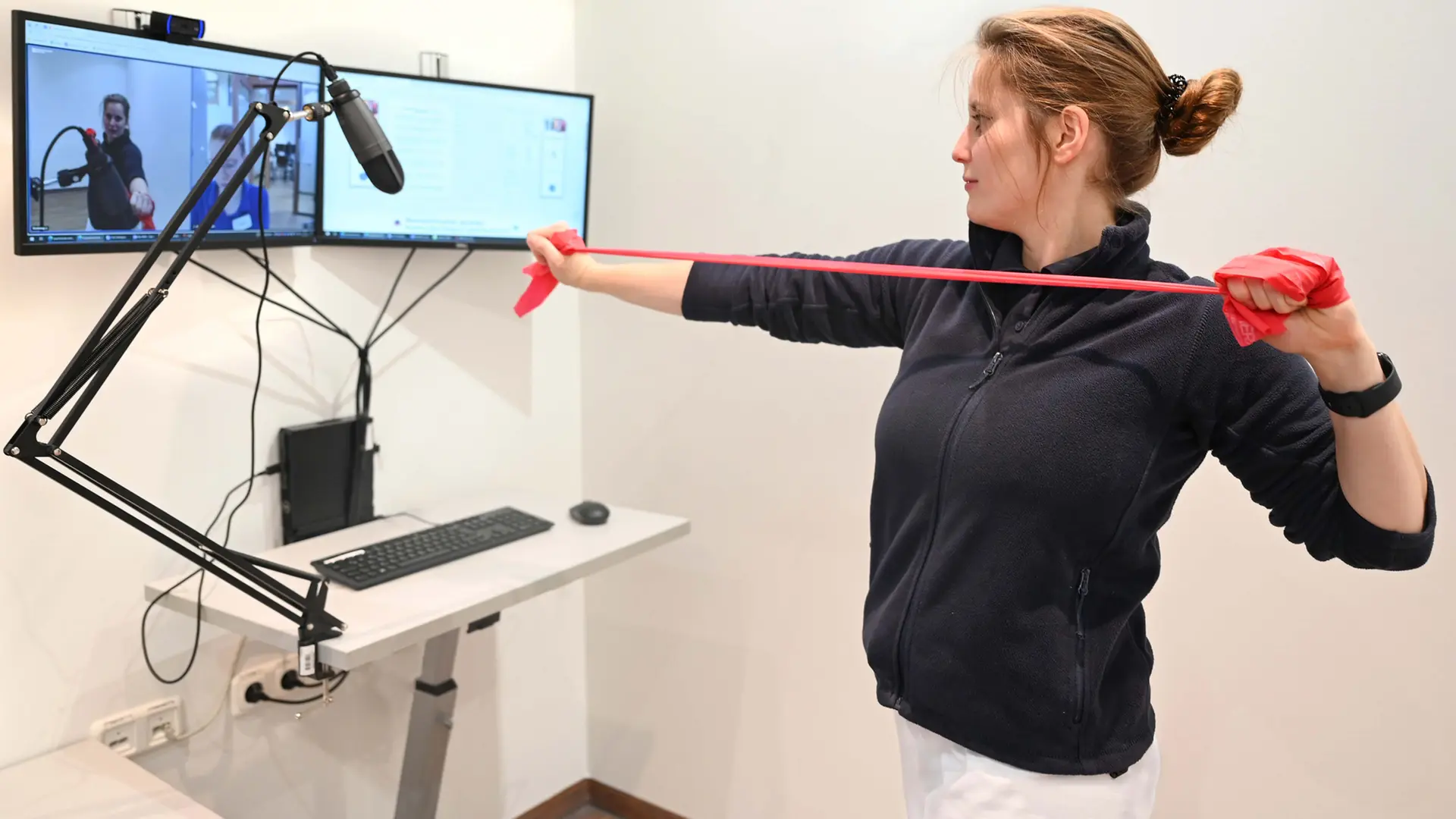
In a move to bridge this gap, the Segeberger Kliniken in Schleswig-Holstein has introduced a pioneering approach to neuro-rehabilitation. By implementing a specialized Parkinson’s tele-physiotherapy program, the clinic is removing the “transportation hurdle,” allowing patients to receive professional, guided physical therapy from the safety and comfort of their own homes.
As a physician and journalist, I have seen how the “last mile” of healthcare delivery often determines the success of a treatment plan. In chronic neurological conditions, consistency is everything. When a patient misses sessions because the physical toll of travel outweighs the benefit of the exercise, the disease often progresses more rapidly. The shift toward remote, high-touch physiotherapy is not just a convenience; it is a clinical necessity for a patient population that is increasingly immobilized by their diagnosis.
The Segeberg Innovation: Bringing the Clinic Home
The core of the initiative at Segeberger Kliniken is the integration of secure video communication and digital monitoring to deliver physical therapy. Unlike generic exercise videos or app-based guides, this program provides real-time, one-on-one interaction between the patient and a licensed physiotherapist. This allows for the immediate correction of posture and movement, which is critical in preventing injury and ensuring the efficacy of the exercises.
This model is considered unique within Germany because of its specific application to the complex needs of Parkinson’s patients. While telemedicine expanded rapidly across many medical fields during the pandemic, specialized neuro-physiotherapy—which requires precise visual feedback and tailored adjustments—has been slower to migrate to digital platforms. By formalizing this process, the clinic is creating a blueprint for how specialized rehabilitation can be decentralized.
The program focuses on several key therapeutic goals:
- Improving Gait and Balance: Targeted exercises to reduce “freezing” episodes and minimize the risk of falls.
- Maintaining Range of Motion: Stretching and mobility work to combat the characteristic stiffness of Parkinson’s.
- Psychological Empowerment: Reducing the anxiety and depression often associated with the loss of mobility and the struggle to attend appointments.
Overcoming the Mobility Gap in Neurological Care
To understand why this program is a breakthrough, one must understand the daily reality of Parkinson’s disease. The condition affects the motor system, often leading to a loss of automatic movements. For a patient, the process of getting dressed, navigating a hallway, and transferring into a vehicle can take an hour or more and consume the energy they would have used for the actual therapy session.
When the effort required to reach the treatment exceeds the patient’s physical capacity, a dangerous cycle begins. Reduced activity leads to faster muscle atrophy and increased stiffness, which in turn makes future travel even more tricky. By utilizing Parkinson’s tele-physiotherapy, the Segeberger Kliniken effectively breaks this cycle. Patients can begin their movements in their own environment, using the furniture and spaces they navigate daily, which often makes the therapy more practical and easier to integrate into their lives.
this approach addresses the “caregiver burden.” Family members who previously spent hours coordinating transport and assisting patients through the logistics of a clinic visit can now support their loved ones in a less stressful environment, focusing on the exercise rather than the commute.
The Broader Shift Toward Digital Health in Germany
The implementation of remote therapy in Schleswig-Holstein reflects a larger trend in the German healthcare system toward “Digital Health Applications” (DiGA) and telemedicine. Germany has historically been cautious with digital health adoption due to strict data privacy laws, but the necessity of accessible care is driving a shift in policy.
The success of remote physiotherapy for Parkinson’s suggests that the future of neurology may not be centered in massive urban hospitals, but in a “hub-and-spoke” model. In this system, a central expert clinic (the hub) provides the diagnostic oversight and specialized planning, while the actual treatment (the spokes) occurs in the patient’s home via digital interfaces. This not only improves patient outcomes but also optimizes the use of clinical space and staff resources.
From a public health perspective, What we have is a vital step toward health equity. Patients in rural areas of Northern Germany, who may live far from specialized neurological centers, now have access to the same quality of physiotherapy as those living in major cities. This democratization of specialized care is essential for managing an aging population where neurodegenerative diseases are becoming more prevalent.
Key Takeaways for Patients and Caregivers
- Accessibility: Tele-physiotherapy removes the physical and emotional stress of traveling to a clinic.
- Real-time Guidance: Unlike pre-recorded videos, this program offers live corrections from professionals to ensure safety.
- Consistency: Removing travel barriers leads to higher adherence to therapy schedules, which is critical for slowing symptom progression.
- Home-Based Integration: Exercises are performed in the patient’s actual living environment, making the skills more transferable to daily life.
Looking Ahead: The Future of Remote Neuro-Rehab
While the current program relies heavily on video communication, the next frontier for remote Parkinson’s care likely involves wearable sensors and AI-driven motion analysis. Imagine a system where a therapist can see a digital “skeleton” of the patient’s movement in real-time, identifying a slight tremor or a loss of balance that might be invisible on a standard webcam. These technologies are already in development and could soon complement the tele-physiotherapy models being pioneered in Segeberg.
The transition to digital care is not without its challenges. Ensuring that elderly patients—who may not be “digital natives”—can easily access the technology is paramount. The Segeberger Kliniken’s approach emphasizes a supported transition, ensuring that the technology serves the patient, rather than becoming another barrier to care.
The next confirmed checkpoint for the evolution of such programs in Germany will be the continued evaluation of patient outcomes and the potential expansion of insurance coverage for remote specialized physiotherapy. As more data emerges on the efficacy of these digital interventions, we can expect to see these models adopted across other neurological conditions, such as Multiple Sclerosis and stroke recovery.
Do you or a loved one manage a condition where travel to the clinic is a struggle? We invite you to share your experiences with telemedicine in the comments below or share this article with others who may benefit from knowing these options exist.