
The United States Department of Justice has signaled a hardening stance on threats directed toward federal law enforcement personnel, following a high-profile incident involving an anti-ICE protester. The individual in question is alleged to have directed lethal threats against an officer and their family during a demonstration, an escalation that federal authorities are now treating as a priority for prosecution.
Todd Blanche, who currently serves as the Acting Attorney General, addressed the incident on Thursday, confirming that federal agents have been tasked with the arrest of the suspect. The incident, which has drawn significant attention to the safety of Immigration and Customs Enforcement (ICE) agents, underscores the ongoing tension surrounding federal immigration enforcement operations in the United States.
Under federal statute, specifically 18 U.S.C. § 115, We see a crime to threaten to assault, kidnap, or murder a federal official or their family members with the intent to impede, intimidate, or interfere with such official while they are engaged in the performance of their official duties. The Department of Justice (DOJ) maintains that while peaceful assembly is protected under the First Amendment, actions that cross into credible threats of violence fall outside the scope of constitutional protections and will be pursued to the fullest extent of the law as outlined in the official DOJ enforcement guidelines.
The Legal Framework for Threatening Federal Officers
The legal consequences for individuals who target federal employees are severe, reflecting the government’s commitment to ensuring the safety of those tasked with upholding federal law. When a protester moves from protected speech to direct, actionable threats, the threshold for federal intervention is met. The investigation into this particular case is being handled by federal law enforcement agencies, which work in tandem with the DOJ to secure evidence, including video footage and witness testimony, to build a case for federal prosecution.
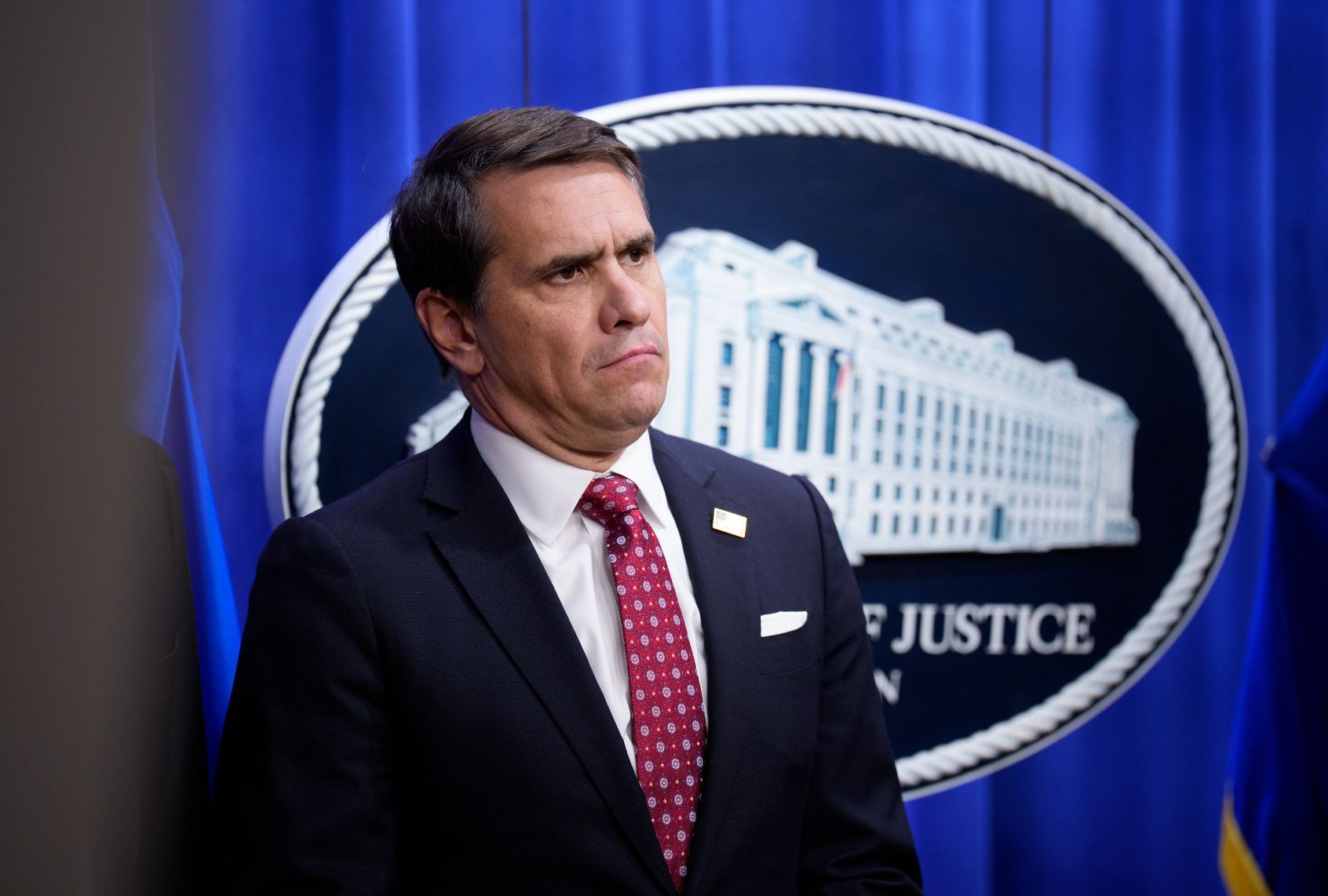
In recent years, the DOJ has intensified its focus on the protection of federal personnel, particularly in environments where political volatility is high. According to official departmental directives, the safety of federal agents is considered a pillar of institutional integrity. The current administration has reiterated that verbal threats, especially those aimed at the families of agents, are not merely “protest rhetoric” but are viewed as potential precursors to physical harm, necessitating immediate and decisive legal action.
Tensions Surrounding Immigration Enforcement
The incident occurs against a backdrop of intensifying public debate regarding immigration policy and the role of ICE. For years, the agency has been the focal point of widespread protests, with demonstrators frequently gathering at field offices and detention facilities across the country. While these protests are often characterized by vocal opposition to federal immigration policies, the line between political dissent and criminal conduct remains a critical point of analysis for law enforcement.
Sociologists and policy experts note that the polarization surrounding immigration enforcement has created a volatile environment for both federal workers and the communities they serve. When rhetoric escalates to the point of threatening the families of government officials, it complicates the ability of local and federal authorities to manage public order, often leading to more restrictive security measures at federal sites. The Immigration and Customs Enforcement official portal provides resources regarding the agency’s mission and the standard protocols for public interaction, which are designed to maintain transparency while ensuring the safety of personnel.
What Happens Next: The Prosecution Process
As the case progresses, the suspect will face a series of legal milestones. Following an arrest, the individual will typically appear before a federal magistrate judge for an initial appearance, where the charges will be formally presented. The Department of Justice will then proceed to seek an indictment through a grand jury if they determine that the evidence is sufficient to proceed to trial.
For those interested in tracking the legal developments of this case, official records can be accessed through the Public Access to Court Electronic Records (PACER) system. This platform provides the most accurate and up-to-date information regarding federal filings, hearing dates, and the status of ongoing criminal proceedings. It is expected that the DOJ will release further details once the arrest is officially processed and the initial court documents are unsealed.
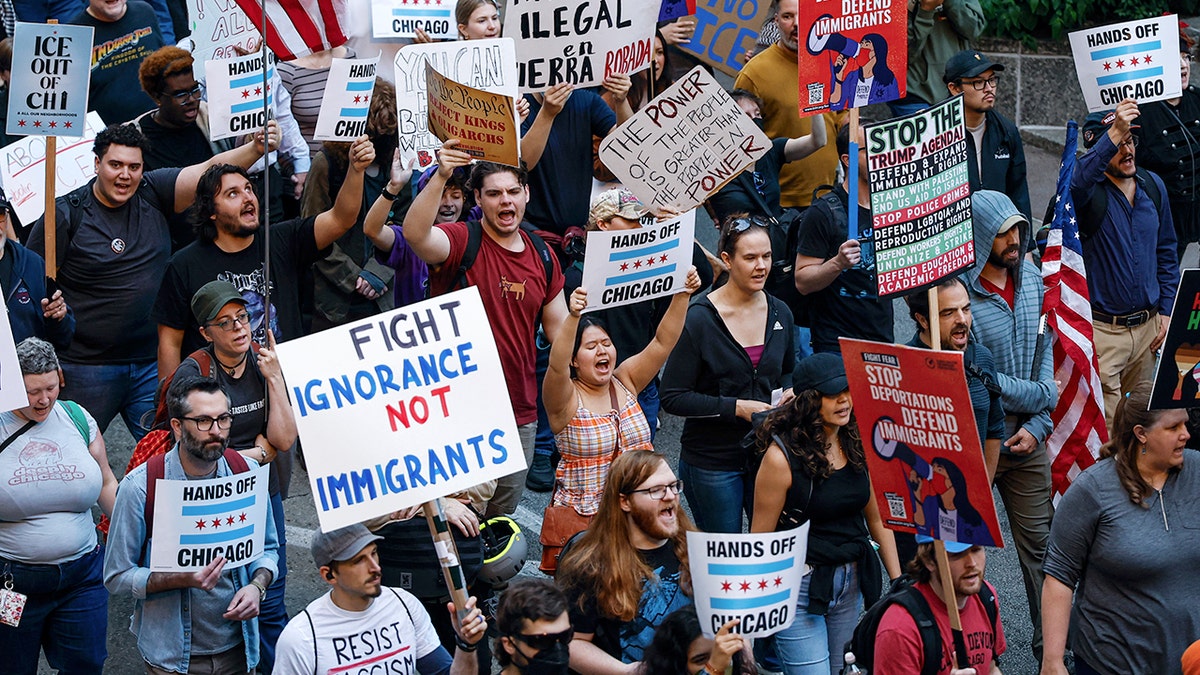
The situation serves as a stark reminder of the legal boundaries of political activism in the United States. While the right to protest remains a fundamental aspect of American democracy, the Department of Justice continues to demonstrate that it will not tolerate the intimidation of its officers. As this matter moves through the federal court system, it will likely serve as a benchmark for how law enforcement handles threats in an increasingly polarized political climate.
We will continue to monitor the situation as more details emerge from the Department of Justice. For those seeking further information on federal crime policies or wishing to review previous similar cases, the DOJ newsroom remains the primary source for official, verified updates.
What are your thoughts on the balance between free speech and the safety of federal law enforcement? Share your perspective in the comments section below, and ensure you are following our coverage for the next scheduled court hearing in this case.
Keep reading
- Mercedes Crisis: CEO Pushes for Longer Hours as IG Metall Union Resists Cost-Cutting Measures
- Lee Jae-myung Concludes 2nd Ministerial Work Reports
- Egyptian Security Forces Arrest Two Men for Fake Judge Housing Scam (archyworldys.com)
- Khamenei warns Iranian president Pezeshkian over resignation threats (archyde.com)