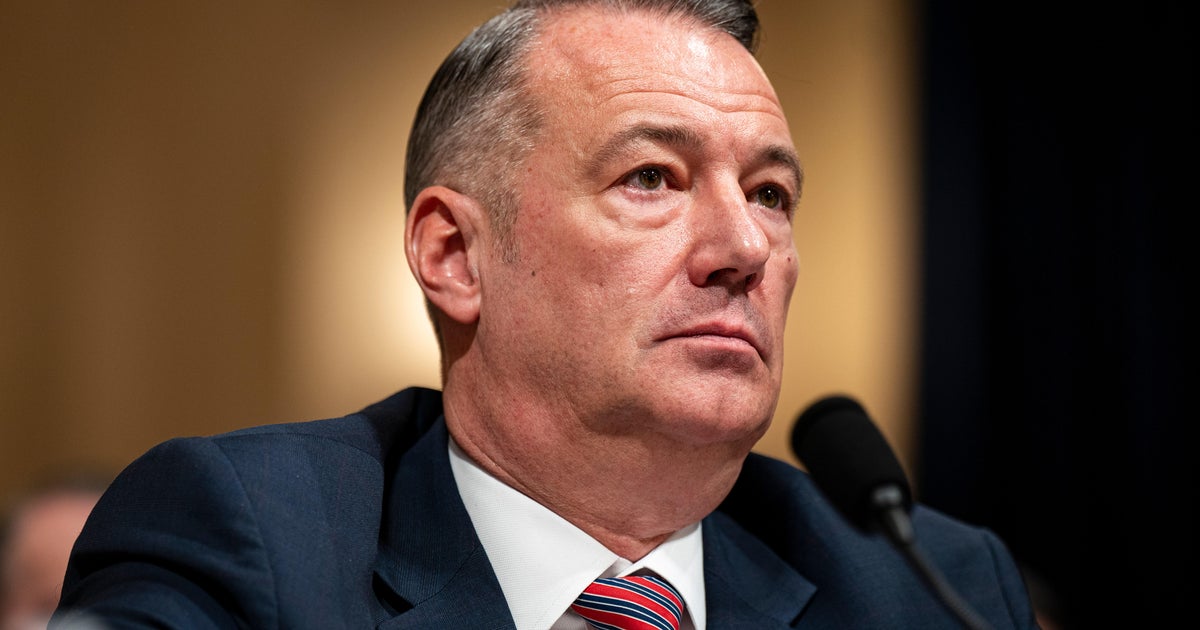
Acting U.S. Immigration and Customs Enforcement Director Todd Lyons is set to abandon his position at the complete of May, according to multiple reports confirmed by the Department of Homeland Security. His departure marks another leadership transition at the agency, which has operated without a Senate-confirmed director for several years amid heightened focus on immigration enforcement.
Lyons, who has served as acting ICE director since March 2025, announced his plans to step down later this spring, with his final day scheduled for May 31, 2026. The decision was confirmed by Homeland Security Secretary Markwayne Mullin, who stated that Lyons is pursuing an opportunity in the private sector. This development comes as ICE continues to be a central component of the Trump administration’s immigration enforcement strategy, which has included large-scale arrests and deportations.
During his tenure, Lyons oversaw agency operations during a period of significant public scrutiny, including congressional hearings where he addressed enforcement statistics and controversial incidents. At a February 2026 hearing, he reported that ICE made 379,000 arrests and removed over 475,000 individuals during the first year of the Trump administration. He too faced questions regarding the use of force by agents, specifically referencing two fatal shootings in Minneapolis earlier that year involving U.S. Citizens Renee Good and Alex Pretti, for which he declined to apologize.
Lyons’ exit adds to a pattern of temporary leadership at ICE, which has not had a permanent, Senate-confirmed director since early 2017. His departure will create another vacancy at the top of the agency, requiring Secretary Mullin to make one of his first major personnel decisions since being confirmed by the Senate in March 2026. Mullin succeeded Kristi Noem after her removal by President Donald Trump amid concerns about leadership style and public backlash over enforcement actions in cities like Minneapolis.
The timing of Lyons’ departure coincides with ongoing debates about the scope and methods of immigration enforcement, particularly regarding whether operations focus on individuals with criminal convictions or also include long-term residents without legal status. Critics have argued that recent sweeps have detained people who are not priority targets, while administration officials maintain that enforcement actions are necessary for public safety.
As the agency prepares for a transition, attention will shift to who might serve as the next acting director or whether the Biden administration’s former nominee could be reconsidered, though no official candidates have been publicly named. The position remains critical as ICE continues to manage detention facilities, process deportation cases and collaborate with other federal agencies on border security and interior enforcement.
For updates on ICE leadership and immigration policy, readers can refer to official announcements from the Department of Homeland Security or monitor congressional hearings where oversight of the agency is regularly conducted.
Related reading