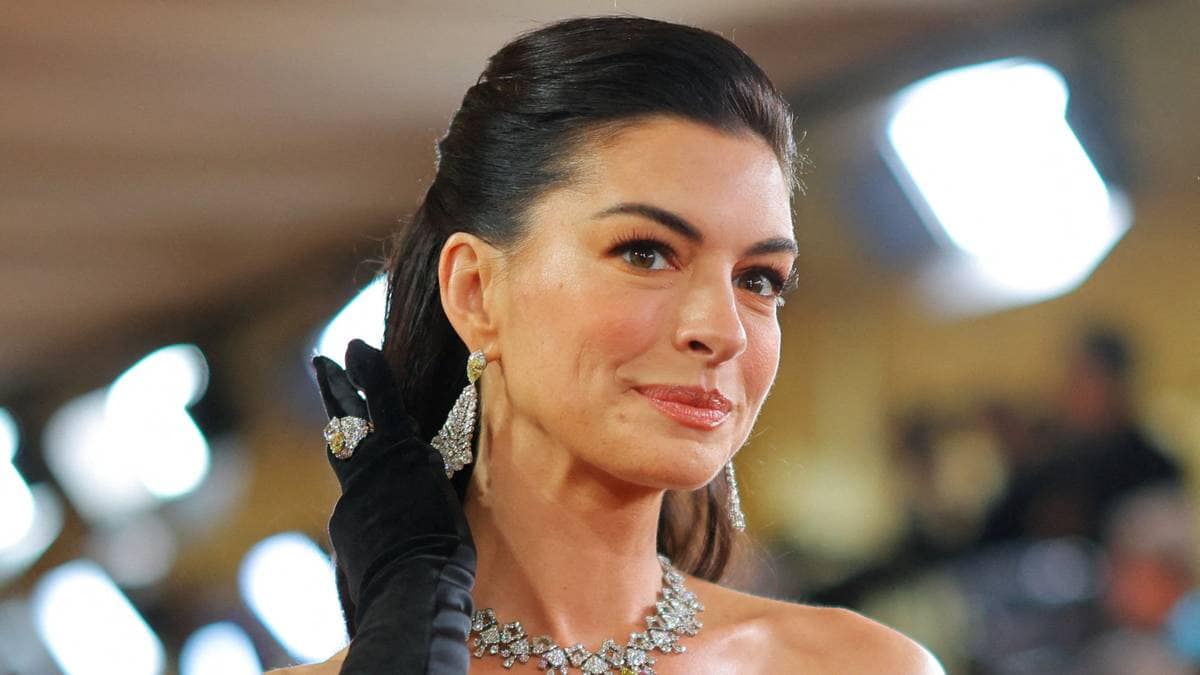
The increasing prevalence of cosmetic procedures, particularly the use of botulinum toxin (Botox) among actors, has triggered a debate regarding the impact of facial immobility on the craft of performance. Industry professionals and casting directors are raising concerns that the loss of natural muscle movement—often described as a “dead face”—limits an actor’s ability to convey authentic emotion, potentially compromising the integrity of their work on screen and stage.
The practice of using neurotoxins to smooth wrinkles has become common in the entertainment industry, but critics argue that the resulting lack of expressive range creates a disconnect between the performer and the audience. When facial muscles are paralyzed to prevent lines, the subtle micro-expressions that communicate complex human feelings are often obscured, leading to a performance that may appear static or detached.
The Impact of Cosmetic Procedures on Performance
For an actor, the face is the primary instrument of storytelling. According to insights from casting professionals, the ability to signal vulnerability, anger, or joy through subtle brow movements or eye-crinkling is essential for building empathy with the audience. When these movements are inhibited by aesthetic treatments, the viewer may perceive the performance as emotionally flat or “stiff.”
This trend has led to a shift in how some casting directors evaluate talent. In a competitive industry where casting often happens through high-definition close-ups, the nuance of a performance is magnified. Producers and directors are increasingly wary of “frozen” facial expressions that fail to translate the internal state of a character, as noted in discussions within the European acting community regarding the evolving standards of beauty and their professional consequences.
Industry Standards and the Future of Casting
The tension between personal aesthetic choices and professional requirements is not new, but the accessibility of cosmetic procedures has intensified the conversation. While there is no formal industry ban on the use of Botox, there is a growing emphasis among talent agents on maintaining “organic” appearances. The goal is to ensure that actors retain the ability to perform with their full range of motion, which is considered a prerequisite for dramatic roles that require intense emotional expression.
Furthermore, the rise of high-definition digital cinematography has made it nearly impossible to hide the effects of cosmetic surgery or chemical treatments. Lighting and post-production techniques can sometimes mask minor imperfections, but they cannot replicate the natural movement of facial musculature. As the industry continues to prioritize “authentic” and “raw” performances, actors are being encouraged to weigh the long-term career impacts of cosmetic alterations against current aesthetic trends.
Navigating Aesthetic Pressures in Acting
The pressure to maintain a youthful appearance is significant in an industry that has historically favored specific physical standards. However, the current discourse suggests a potential move toward valuing natural aging as a tool for character acting. Performers are increasingly finding that their unique facial lines and textures serve as a map of their experience, which can be an asset rather than a liability in casting.
For those interested in the evolving professional standards, industry unions and guilds often provide resources on health and wellness, though they generally refrain from regulating personal cosmetic choices. Actors are advised to consider the long-term implications of any procedure on their professional “currency”—their face—before moving forward with elective treatments. As the conversation matures, the focus remains on balancing personal autonomy with the practical requirements of a craft that relies entirely on the visibility of human emotion.
The discussion regarding facial expression in acting is expected to continue as technological advancements in film continue to demand higher levels of performance detail. Future updates on industry standards or guild discussions regarding professional image will be monitored as they arise. Readers are encouraged to share their perspectives on the intersection of cosmetic standards and the performing arts in the comments section below.
Keep reading