
Roborock has launched its first robot lawn mower, utilizing wire-free navigation technology to automate residential garden maintenance. The device employs Real-Time Kinematic Global Navigation Satellite System (RTK-GNSS) to navigate lawns without the need for buried perimeter wires. According to company specifications, the mower will receive future AI-powered mapping updates to further refine obstacle detection and path efficiency.
The move marks a significant expansion for the manufacturer, which has established a dominant position in the indoor robotic vacuum market. By applying its existing expertise in sensor-based navigation and artificial intelligence to outdoor environments, Roborock is entering a competitive sector currently led by established players like Husqvarna and newer specialized entrants like Mammotion.
How does Roborock’s wire-free navigation technology work?
Traditional robotic lawn mowers often require the installation of a physical perimeter wire buried around the edge of the lawn. This process can be labor-intensive and requires significant manual effort to ensure the wire remains intact. Roborock’s new system eliminates this requirement by using RTK-GNSS technology.
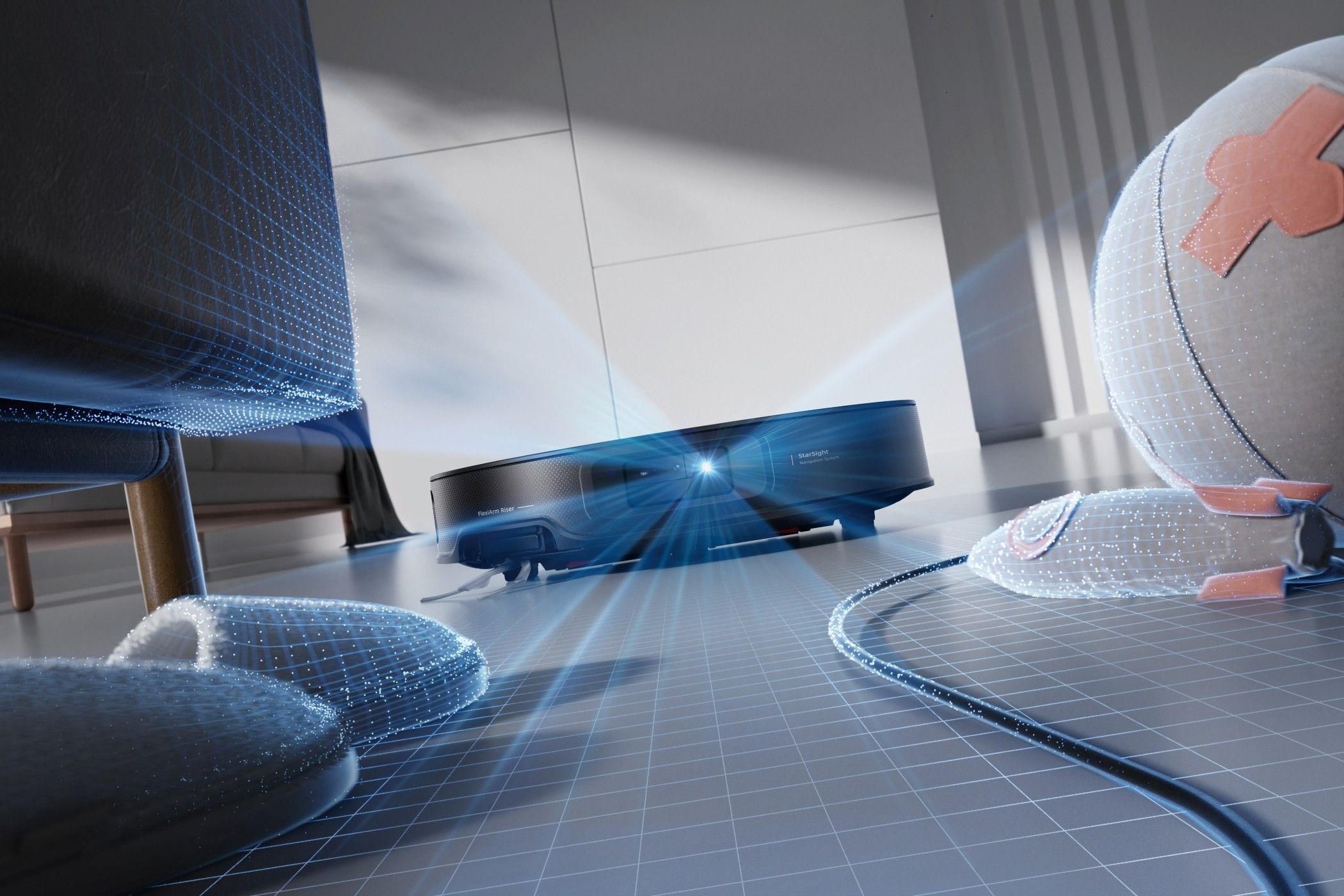
RTK-GNSS functions by using a stationary base station to provide corrections to standard GPS signals, allowing the mower to determine its position with centimeter-level precision. This high level of accuracy enables the machine to follow complex paths and navigate around garden features without physical boundaries. This technology is similar to the systems used in high-end agricultural drones and autonomous tractors, adapted for consumer residential use.
In addition to satellite positioning, the mower utilizes a suite of sensors to manage immediate surroundings. While Roborock has emphasized the importance of the RTK-GNSS for general positioning, the inclusion of obstacle avoidance sensors allows the unit to detect and bypass unexpected objects such as garden tools, pets, or toys that may be left on the grass.
What are the key features of the Roborock lawn mower?
The Roborock lawn mower is designed to operate autonomously with minimal human intervention. Based on technical documentation provided by the company, the primary features include:
- Wire-Free Setup: The absence of a perimeter wire reduces installation time and allows for easier reconfiguration of lawn boundaries via a mobile application.
- RTK-GNSS Precision: Provides the high-accuracy positioning necessary for consistent cutting patterns without physical guides.
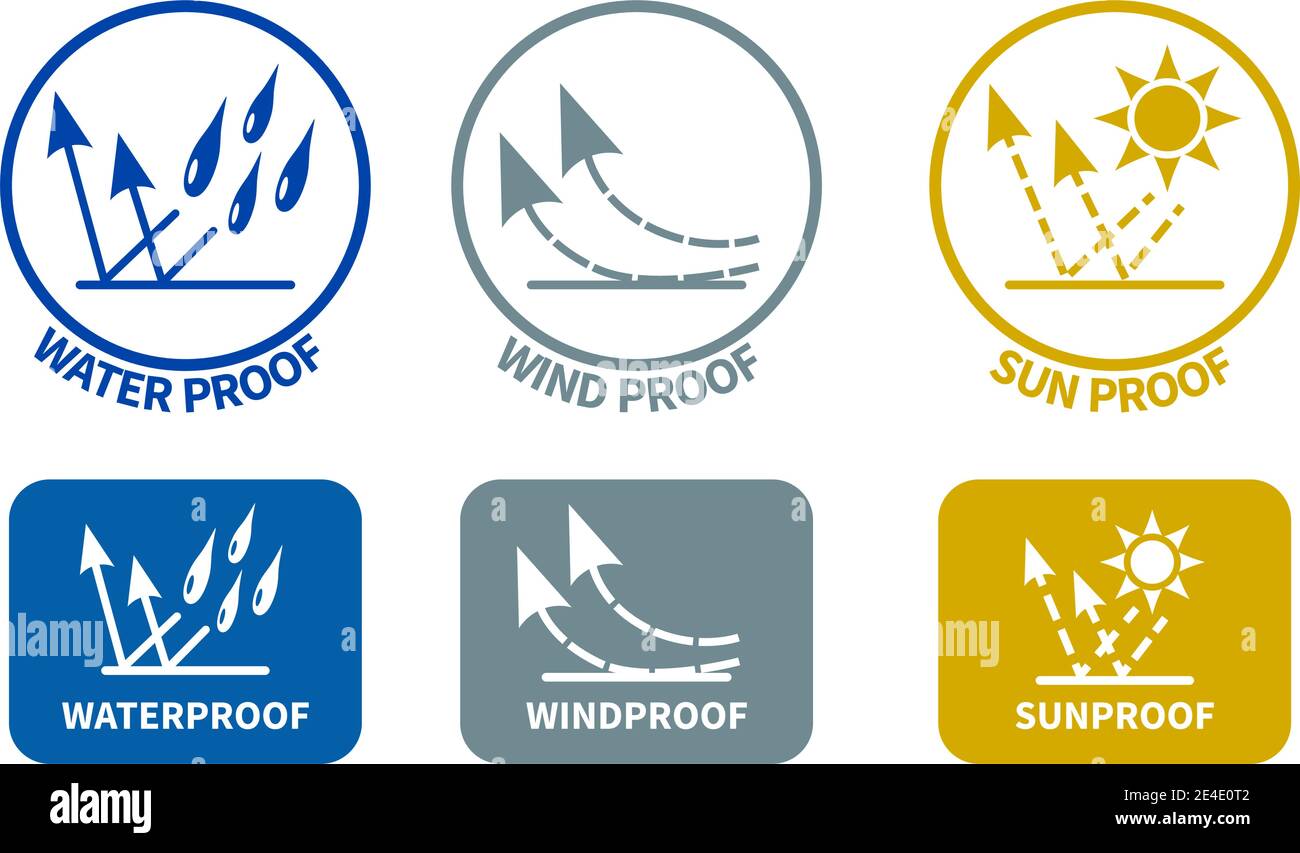
- Weather Resistance: The unit is built to withstand varying environmental conditions, including rain and sunlight, making it suitable for year-round or seasonal outdoor use.
- App-Based Control: Users can manage mowing schedules, set boundaries, and monitor the device’s status through a dedicated smartphone interface.
- AI-Enhanced Mapping: A planned software update will introduce advanced AI-powered mapping, which is intended to improve how the mower interprets its environment and navigates complex landscapes.
The promise of AI-driven mapping is a strategic move to differentiate the product from simpler models. While many current mowers can follow basic patterns, the integration of sophisticated AI allows for better “spatial intelligence,” meaning the mower can more effectively learn the unique layout of a specific yard over time.
How does Roborock compare to existing competitors?
The robotic lawn mower market is currently divided between traditional manufacturers and new technology-first companies. Roborock’s entry places it in direct competition with several distinct categories of products.
Husqvarna, a long-standing leader in professional and residential landscaping equipment, has a wide range of Automower models. Many Husqvarna models still rely on traditional wire-based systems or highly specialized professional-grade satellite systems. Roborock’s strategy appears to target the consumer segment looking for a “tech-first” experience that mirrors the ease of use found in their indoor robot vacuums.
Another significant competitor is Mammotion, which has gained traction with its Luba series. Like Roborock, Mammotion utilizes RTK-GNSS to provide a wire-free experience. The competition between these brands will likely focus on three specific metrics: positioning reliability in areas with heavy tree canopy (where GPS signals can be obstructed), obstacle avoidance accuracy, and the total cost of ownership, including subscription services or hardware maintenance.
The following table compares the general technological approaches of the primary market segments:
| Feature | Traditional Wire-Based Mowers | RTK-GNSS Robotic Mowers (Roborock/Mammotion) |
|---|---|---|
| Installation | High effort (burying wires) | Low effort (base station setup) |
| Boundary Changes | Difficult (requires re-digging) | Easy (via software/app) |
| Navigation Precision | Limited to wire proximity | Centimeter-level satellite accuracy |
| Signal Dependency | Low (physical connection) | High (requires clear sky view) |
Why does Roborock’s expansion into outdoor robotics matter?
Roborock’s pivot from indoor cleaning to outdoor maintenance represents a broader trend in the “smart home” ecosystem: the transition from indoor automation to full-property automation. For consumers, this means a more unified experience where a single ecosystem of apps and hardware manages the entire home environment.
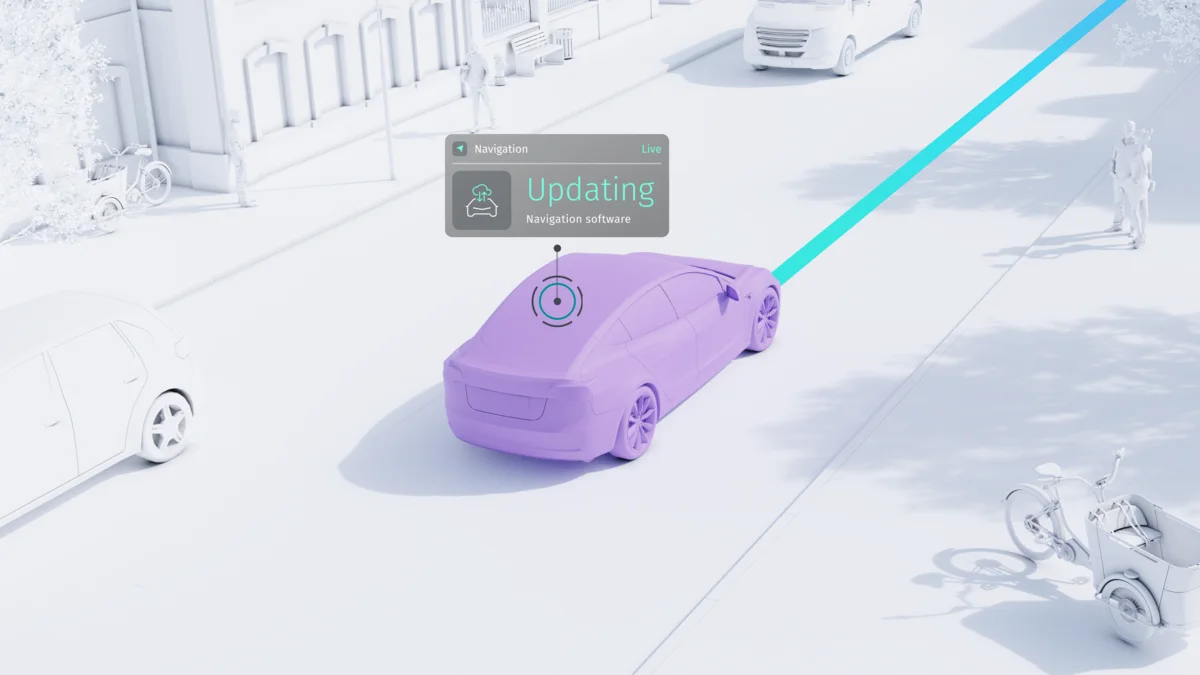
From a technical standpoint, the outdoor environment presents significantly greater challenges than the indoor environment. Indoors, robot vacuums deal with predictable surfaces like hardwood or carpet and relatively stable lighting. Outdoors, robots must contend with variable weather, uneven terrain, shifting shadows, and the loss of GPS signals under dense foliage. Roborock’s ability to successfully implement RTK-GNSS in a consumer-grade device suggests a high level of confidence in their sensor fusion capabilities.
Furthermore, this expansion indicates that the company is looking to leverage its existing software infrastructure. The same machine learning algorithms used to help a vacuum identify a rug or a power cord are being adapted to help a mower identify a flower bed or a garden hose. This cross-pollination of technology is what allows companies to scale quickly across different product categories.
As the market matures, the success of this product will likely depend on how effectively the promised AI updates are delivered and how reliably the RTK-GNSS performs in challenging residential landscapes, such as those with heavy tree cover or complex topography.
Official pricing and regional availability for the Roborock lawn mower are expected to be announced in upcoming product cycles. Detailed consumer reviews and independent testing of the RTK-GNSS accuracy will provide further clarity on its performance relative to established competitors.
Have you considered switching to a robotic lawn mower? Share your thoughts or questions in the comments below, and please share this article with your network.
Worth a look