
National Health Service (NHS) trusts across England are increasingly adopting digital triage systems as part of a national strategy to manage record-high demand for emergency care. Under these clinical assessment models, patients who arrive at Accident and Emergency (A&E) departments with non-urgent ailments may be redirected to community-based services or advised to return at a later time. This initiative aims to reduce crowding in emergency departments and improve patient flow during periods of peak winter pressure, according to NHS England’s Urgent and Emergency Care Recovery Plan.
The implementation of digital triage—often utilizing software to assist clinicians in prioritizing patient needs—is currently active in several NHS trusts. By screening patients upon arrival, staff can distinguish between those requiring immediate life-saving intervention and those whose conditions may be safely managed by a local pharmacist, a general practitioner (GP), or through a scheduled appointment. This shift represents a broader effort to preserve the capacity of emergency departments for acute medical crises, as outlined in official NHS delivery guidance.
How Digital Triage Functions in Clinical Settings
Digital triage systems function as a clinical decision-support tool rather than a replacement for professional judgment. When a patient presents at an A&E department, their information is entered into a standardized digital framework. This process helps nurses and doctors identify the urgency of the condition according to established clinical protocols. If the system and the attending clinician determine that the patient’s condition is minor—such as a minor injury or a long-standing ailment that does not require immediate diagnostic imaging—the patient may be provided with an alternative pathway.
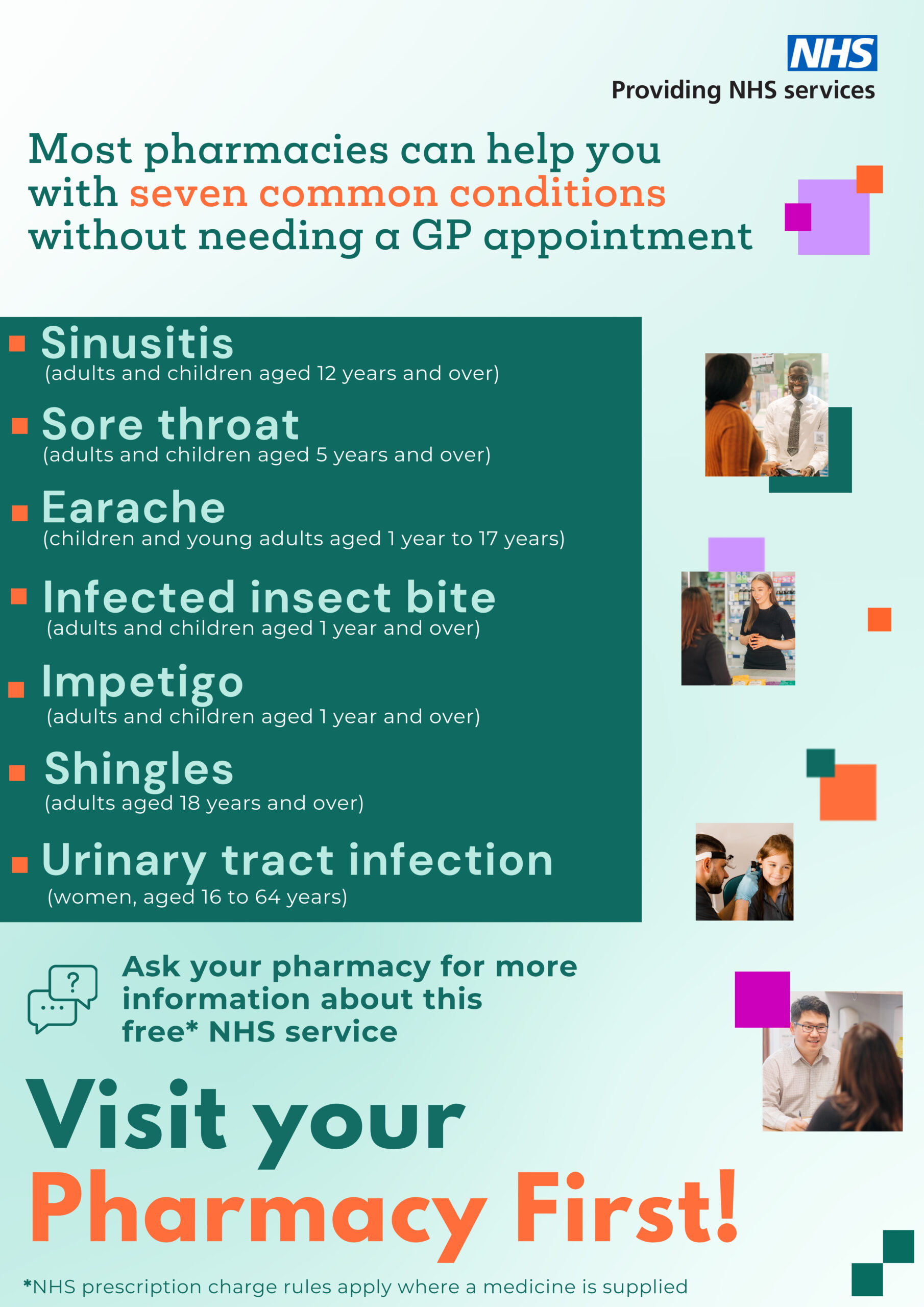
These pathways often involve a referral to an urgent treatment center, an appointment with a primary care provider, or a consultation with a pharmacist under the Pharmacy First scheme, which allows pharmacists to treat seven common conditions without a GP appointment. By diverting non-urgent cases, hospitals aim to shorten wait times for those with life-threatening conditions, such as cardiac events or severe trauma, which remain the primary focus of emergency medical services.
Addressing Systemic Overcrowding
The NHS has faced sustained pressure on its emergency services, with significant concerns regarding “ambulance handover delays” and prolonged wait times for hospital beds. According to data published by the NHS England statistics portal, emergency department attendances have consistently strained hospital resources over the past several years. The integration of triage technology is intended to mitigate these bottlenecks by ensuring that the limited number of emergency physicians and beds are reserved for the most critically ill patients.
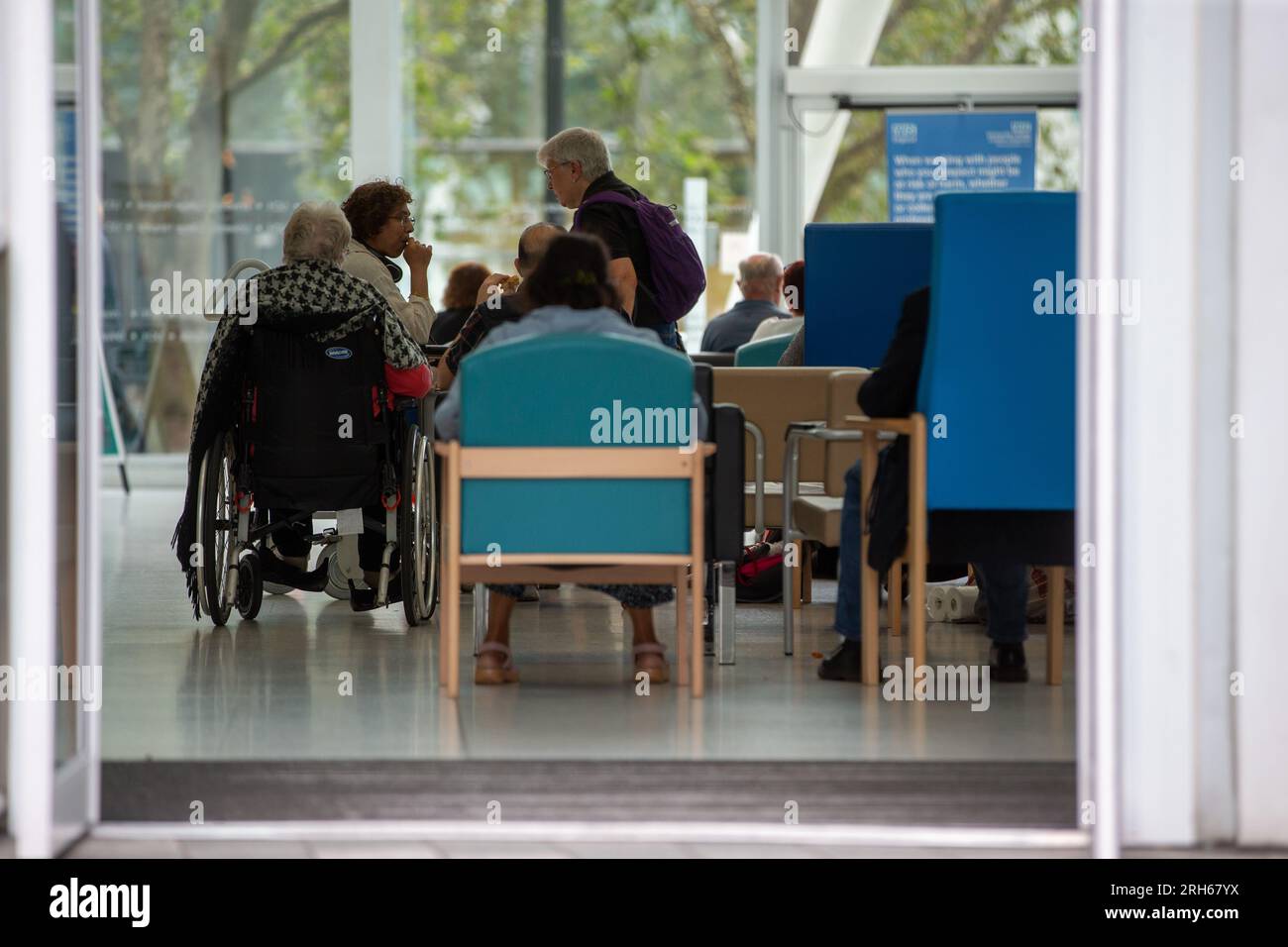
Critics and patient advocacy groups have raised questions regarding the accessibility of these systems, particularly for vulnerable populations or those who may struggle to navigate digital platforms. However, NHS officials maintain that the system is designed to include human oversight, ensuring that no patient is turned away without a clinical assessment. The goal is to provide a more efficient, evidence-based approach to patient routing that connects individuals to the most appropriate level of care within the integrated care system.
Implications for Patients and Future Care
For patients, the primary change involves a potential shift in the expectation of immediate treatment for minor issues. While the NHS remains a universal service, the focus is transitioning toward a “right care, right place, right time” model. Patients who are redirected are not being denied care; rather, they are being guided toward services that may be better equipped to handle non-emergency needs. This change is part of a longer-term transition toward more community-centric healthcare delivery.
The effectiveness of these digital triage systems is currently being monitored by regional Integrated Care Boards (ICBs), which are responsible for overseeing the delivery of health services in their respective areas. As the NHS moves toward the next reporting cycle for winter performance, further data on the impact of these triage measures on A&E wait times is expected to be released by the Department of Health and Social Care. Patients are encouraged to use the NHS 111 online service to assess their symptoms before traveling to an A&E department, which remains the recommended first step for non-emergency medical inquiries.
For ongoing updates regarding local hospital policies, patients should consult their specific trust’s website or check the official NHS portal for guidance on service availability in their region. The next major update on the recovery plan’s outcomes is scheduled for the forthcoming quarterly performance report from NHS England. We invite readers to share their experiences or questions regarding these changes in the comments section below.
Related reading