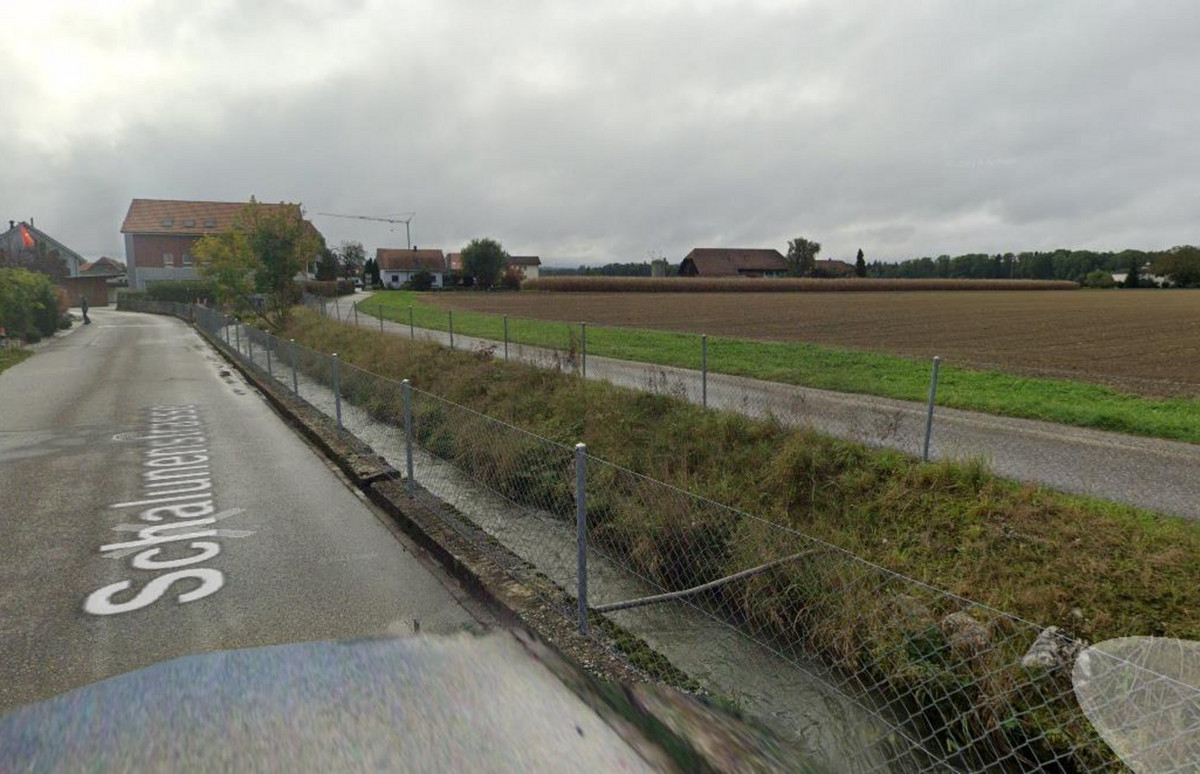
Aefligen, Switzerland – Residents of the municipality of Aefligen have overwhelmingly approved a 1.7 million Swiss Franc investment to overhaul aging water and sewage infrastructure along the Schalunenstrasse, alongside necessary road repairs. The vote, held on Sunday, March 8, 2026, saw nearly 78% of participating voters supporting the project, signaling strong community backing for the essential upgrades. This investment addresses a critical need to prevent potential disruptions to service and ensure the long-term reliability of Aefligen’s vital utilities.
The Schalunenstrasse’s existing water and wastewater lines are over a century old, presenting an increasing risk of failure. According to Gemeinderatspräsident Peter Hofer, proactive intervention is crucial to avoid future breaks and the associated inconveniences, and costs. Neo1 reports that the condition of the road itself also contributed to the decision, making a combined infrastructure project the most efficient solution. The approved funding will cover both the replacement of the underground pipes and the resurfacing of the street.
The high voter turnout – exceeding 50% – was particularly encouraging to local officials. Hofer expressed satisfaction with the result, stating that it demonstrated a high level of civic engagement and understanding of the project’s importance. “The people have engaged with the proposal,” Hofer said, as reported by Neo1. “We had over 50 percent participation.” He further noted that the strong participation rate reflects a close-knit community where residents actively follow local politics and carefully consider proposed initiatives. Hofer also credited the Gemeindeverwaltung (municipal administration) with effectively communicating the necessity and benefits of the project.
Addressing a Century-Old Problem
The decision to invest in the Schalunenstrasse infrastructure represents a commitment to long-term sustainability and public safety. The existing pipes, dating back over 100 years, are increasingly susceptible to corrosion and breakage, potentially leading to water contamination, service interruptions, and costly emergency repairs. Replacing these aging lines will not only improve the reliability of water and wastewater services but also reduce the risk of unforeseen issues in the future. The simultaneous road repairs will minimize disruption to residents and businesses by avoiding the need for multiple construction projects in the same area.
The municipality plans to execute the project in three phases to mitigate the impact on local residents and businesses. This phased approach will allow for a more manageable construction schedule and minimize traffic disruptions. Hofer indicated that the project is expected to commence in the autumn of 2026, providing time for detailed planning and coordination with affected parties. According to the Gemeinde Aefligen website, Peter Hofer is the current Gemeinderatspräsident (Mayor) and can be contacted at peter.hofer(at)aefligen.ch.
Community Engagement and Local Governance
The successful outcome of the vote underscores the importance of community engagement in local decision-making. The high voter turnout suggests that residents of Aefligen are actively involved in shaping the future of their municipality. Hofer emphasized the role of clear communication and transparency in securing public support for the project. “We have explained well what needs to be done and why,” he stated, highlighting the effectiveness of the Gemeindeverwaltung’s outreach efforts.
The Aefligen Gemeinderat (municipal council) for the 2025-2028 legislative period includes Christian Hofer as the Gemeinderatspräsident-Stellvertreter (Deputy Mayor), alongside council members Ronny Beck, Gian Derungs, Katrin Stucki, Karin Wälti, and Jürg Weber. The full list of council members and their contact information is available on the Gemeinde Aefligen website. This collaborative approach to governance appears to be a key factor in fostering trust and cooperation within the community.
The Broader Context of Swiss Infrastructure Investment
Aefligen’s investment in its water and sewage infrastructure is part of a broader trend of infrastructure modernization across Switzerland. Many Swiss municipalities are facing similar challenges with aging infrastructure, requiring significant investment to ensure the continued provision of essential services. The Swiss government provides funding and support to local authorities for infrastructure projects, recognizing the importance of maintaining a high-quality public infrastructure network. The country’s decentralized political system empowers local communities to make decisions about their own infrastructure priorities, while also benefiting from federal support and expertise.
The Schalunenstrasse project also highlights the growing emphasis on sustainable infrastructure development. Replacing aging pipes not only improves service reliability but also reduces water loss and minimizes the environmental impact of wastewater treatment. Investing in modern infrastructure is essential for protecting public health, preserving natural resources, and promoting long-term economic growth.
Looking Ahead: Project Implementation and Timelines
With the funding secured, the next step for the Gemeinde Aefligen is to finalize the detailed plans for the Schalunenstrasse project. This will involve conducting site surveys, preparing technical specifications, and securing necessary permits. The municipality will also work closely with local residents and businesses to minimize disruption during the construction phase. The phased approach to construction is designed to ensure that essential services remain available and that traffic flow is maintained as much as possible.
Hofer indicated that the project is expected to begin in the autumn of 2026, with completion anticipated within the following year. Regular updates on the project’s progress will be provided to the community through the Gemeinde Aefligen website and other communication channels. Residents can expect to see increased construction activity in the Schalunenstrasse area during the project’s duration, but the municipality is committed to minimizing inconvenience and ensuring a smooth and efficient construction process.
The successful approval of this 1.7 million Swiss Franc investment demonstrates Aefligen’s commitment to responsible infrastructure management and its dedication to providing high-quality services to its residents. The project will not only address a critical need for infrastructure upgrades but also contribute to the long-term sustainability and prosperity of the community.
The next key checkpoint will be the publication of the detailed project plan and construction schedule on the Gemeinde Aefligen website in the summer of 2026. Residents are encouraged to visit www.aefligen.ch for updates and to provide feedback. We invite readers to share their thoughts on this important infrastructure project in the comments below.