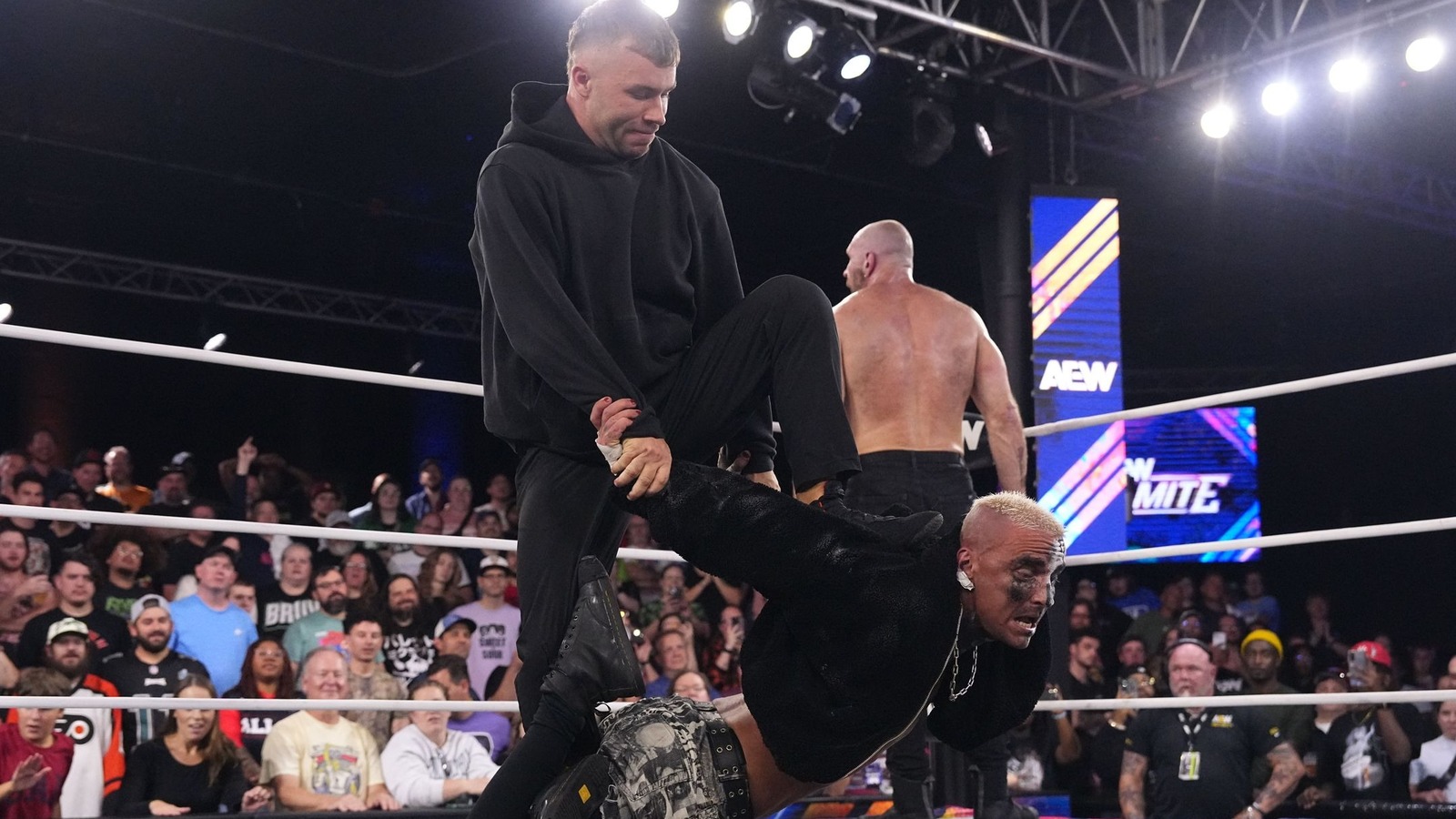
FTR‘s Heat in AEW: When Antagonism Needs a Purpose
FTR – Cash wheeler and Dax Harwood - have become a interesting study in modern wrestling psychology. Throughout AEW’s run of shows at the 2300 Arena in Philadelphia, their ability to generate genuine, visceral heat from the crowd has been remarkable. It’s a throwback to the days of the Dudley Boyz, a masterclass in getting in the faces of fans and eliciting a strong reaction. but recent segments, while undeniably attention-grabbing, raise a crucial question: is the antagonism serving a larger narrative purpose, or is it heat for heat’s sake?
The formula has been consistent. FTR arrives, instantly engages in confrontational interactions with the audience, attempts a promo (often with Stokely Hathaway), and then escalates the situation with aggressive actions, culminating in attacks on camera operators. It’s a pattern that’s become recognizable, and while initially effective, the latest iteration on AEW Dynamite felt…empty.
This isn’t to say the heat isn’t real. The crowd’s reaction is authentic. However, a compelling wrestling story requires more than just animosity. It needs direction, stakes, and a clear path forward. This segment lacked all three. There was no mention of their upcoming match against Adam Priest and Tommy Billington on AEW Collision, a match that deserves attention in its own right. adam Copeland and Christian Cage, the team FTR is slated to face at All Out, weren’t even present to further a feud that, frankly, has already been explored extensively.
The reliance on pure antagonism feels like a missed chance. AEW is building towards All Out, and the Copeland/Cage reunion in Canada is a significant draw. But leveraging FTR’s current negative energy without tying it directly to existing storylines feels disjointed. It’s akin to flexing a muscle without a target.
Why is this a problem?
In professional wrestling, heat is a valuable commodity, but it’s most potent when it fuels a narrative. Without a clear objective, the antagonism risks becoming repetitive and ultimately, losing its impact. Fans need to understand why FTR is acting this way, what they hope to achieve, and what obstacles stand in their path.
Furthermore, valuable television time was dedicated to a segment that didn’t advance any ongoing storylines or build anticipation for upcoming matches. AEW’s card is consistently packed, and every segment should contribute to the overall narrative tapestry. Instead, this felt like a detour.
The promotion has ample opportunities to spotlight other potential matches leading into All Out. Why not use a segment to build intrigue around a less-established feud? Why not use the time to further develop a character arc?
FTR’s behavior, while reminiscent of wrestling’s past, also carries real-world implications.Their aggressive actions towards fans and crew members, even within the kayfabe world of professional wrestling, flirt with potentially serious consequences. The constant taunting – “What are you going to do about it? Your going to do nothing, you coward!” – feels less like compelling heel work and more like a rhetorical question with a potentially problematic answer.
FTR and the Art of Wrestling Heat: A Deeper Dive
The success of FTR’s heel turn lies in their commitment to a specific style. they aren’t simply villains; they are disrespectful villains. They actively mock the audience, disregard authority, and demonstrate a blatant disregard for the rules. This approach taps into a primal desire for order and respect, and the audience responds by vehemently rejecting FTR’s behavior.
Though, the key to sustaining this heat is to channel it effectively. The Dudley Boyz, for example, weren’t just violent; their violence was always motivated by a desire to win championships or punish those who wronged them. FTR needs a similar driving force.Can FTR recapture the narrative momentum?
Absolutely. The talent is undeniable, and their in-ring work remains top-tier. but moving forward, AEW needs to ensure that FTR’s antagonism is integrated into a cohesive storyline. This could involve:
Clearly defined goals: What does FTR want to achieve? Is it championship gold? Is it to dismantle the AEW roster?
Compelling opposition: Who will stand up to FTR’s aggression? Who will be the hero who challenges their dominance?
* Strategic alliances: Will FTR seek to align themselves with other heels to further their agenda?
Frequently Asked Questions About F
Keep reading