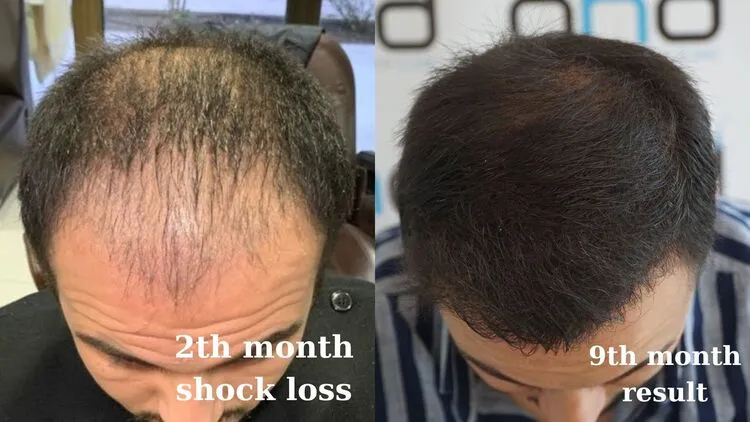
For many individuals facing the psychological and physical challenges of hair loss, the search for a permanent solution often leads to Turkey. The country has evolved into a global hub for medical tourism, specifically for hair restoration surgery, combining advanced surgical techniques with competitive pricing models that attract thousands of international patients annually.
As a physician and health journalist, I have observed that the appeal of these clinics often lies in their ability to offer comprehensive, all-inclusive packages. However, the key to a successful outcome is not found in the price tag, but in the clinical expertise of the lead surgeon and the precision of the graft planning. In 2026, the landscape of Turkish hair transplantation continues to be defined by a shift toward more natural-looking results and the refinement of minimally invasive methods.
Selecting a clinic requires a rigorous evaluation of the practitioner’s experience and the specific technology employed. From the coastal clinics of Antalya to the specialized centers in Istanbul, the industry is increasingly focused on individualized treatment plans that consider the patient’s age and the long-term trajectory of their hair loss to ensure sustainable density.
AHD Clinic: Pioneering the DHI Method in Antalya
One of the established names in the Turkish hair restoration sector is the AHD Clinic, located in Antalya. Founded in 2003 and led by Dr. Hakan Doğanay, the clinic has operated for 22 years, positioning Dr. Doğanay as one of the pioneers of the practice in the region. The clinic emphasizes a realistic approach to hair restoration, beginning with a mandatory assessment to determine if a patient is a suitable candidate for the procedure.
A defining characteristic of the AHD Clinic is its early adoption of the Direct Hair Implantation (DHI) method. According to the clinic, it was the first facility in Turkey to implement this specific technique starting in 2010 . The DHI method is often preferred by patients seeking a more precise implantation process, as it aims to provide natural consequences and high-density results through a specialized tool that allows for the simultaneous extraction and implantation of follicles.
The clinical process at AHD typically involves a free hair analysis and a tailored graft plan. This planning is critical, as it accounts for the patient’s current age and the potential need for additional transplants in subsequent years, ensuring that the donor area is not over-harvested too early in the patient’s life.
The Technicality of Graft Planning and Density
The success of any hair transplant is measured by the “naturalness” of the hairline and the overall density of the restored area. This is achieved through careful graft planning, where the surgeon determines the exact number of follicles needed to fill thinning areas without creating an artificial appearance.

For example, restorations can vary significantly depending on the patient’s needs. Some procedures may involve several thousand grafts to restore both the density of the crown and the structure of the hairline. A recent case shared by Dr. Vedat Tosun’s MedHair Clinic highlights a patient, Vadim, who underwent a 4,500 graft transplant specifically designed to restore density and create a natural-looking hairline.
Comparing Surgical and Non-Surgical Alternatives
Even as surgical transplantation is a permanent solution for those with a healthy donor area, it is not the only option for managing hair loss. For patients who may not be suitable candidates for surgery—or those seeking a non-invasive alternative—hair systems provide an immediate aesthetic change.
Unlike transplants, hair systems are external prosthetics. For instance, providers such as Abrahairdabra in Vienna offer systems where the user’s natural hair continues to grow underneath the prosthetic. These systems require maintenance every 2 to 4 weeks, involving the removal of the system, shaving the regrowth, and reattaching the cleaned system to the scalp.
Key Considerations for Patients in 2026
For those considering a trip to Turkey for hair restoration, the following factors are essential for ensuring medical safety and aesthetic satisfaction:
- Surgeon Credentials: Verify that the lead surgeon is a member of recognized international hair transplantation associations.
- Methodology: Understand the difference between FUE (Follicular Unit Extraction) and DHI (Direct Hair Implantation) to determine which is better for your specific hair type and loss pattern.
- Realistic Expectations: A professional clinic will provide a “realistic graft planning” session rather than promising impossible density.
- Post-Operative Care: Ensure the clinic provides a clear aftercare protocol to protect the newly implanted grafts during the critical healing phase.
| Feature | Hair Transplantation (e.g., DHI) | Hair Systems (Non-Surgical) |
|---|---|---|
| Permanence | Permanent (transplanted follicles) | Temporary (requires reattachment) |
| Recovery Time | Several weeks/months for full growth | Immediate results |
| Maintenance | Low after initial healing | High (every 2-4 weeks) |
| Procedure | Surgical extraction and implantation | External attachment to the scalp |
The trend in 2026 continues to move toward “precision medicine” in hair restoration. The focus is no longer just on the number of grafts, but on the angle, depth, and placement of each follicle to mimic the natural growth pattern of the human scalp.
Patients are encouraged to start their journey with a comprehensive hair analysis to evaluate their suitability. Most top-tier clinics now offer these initial consultations digitally or for free upon arrival to ensure that the patient’s expectations align with the clinical possibilities.
For those monitoring their options, the next step is typically a personalized consultation with a certified surgeon to determine the exact graft count and method required for their specific case of hair loss.
Do you have experience with hair restoration or questions about the DHI method? Share your thoughts in the comments below or share this article with someone exploring their options.
Worth a look