
Recent Earthquake in Northern Afghanistan Causes Casualties and Raises Humanitarian Concerns
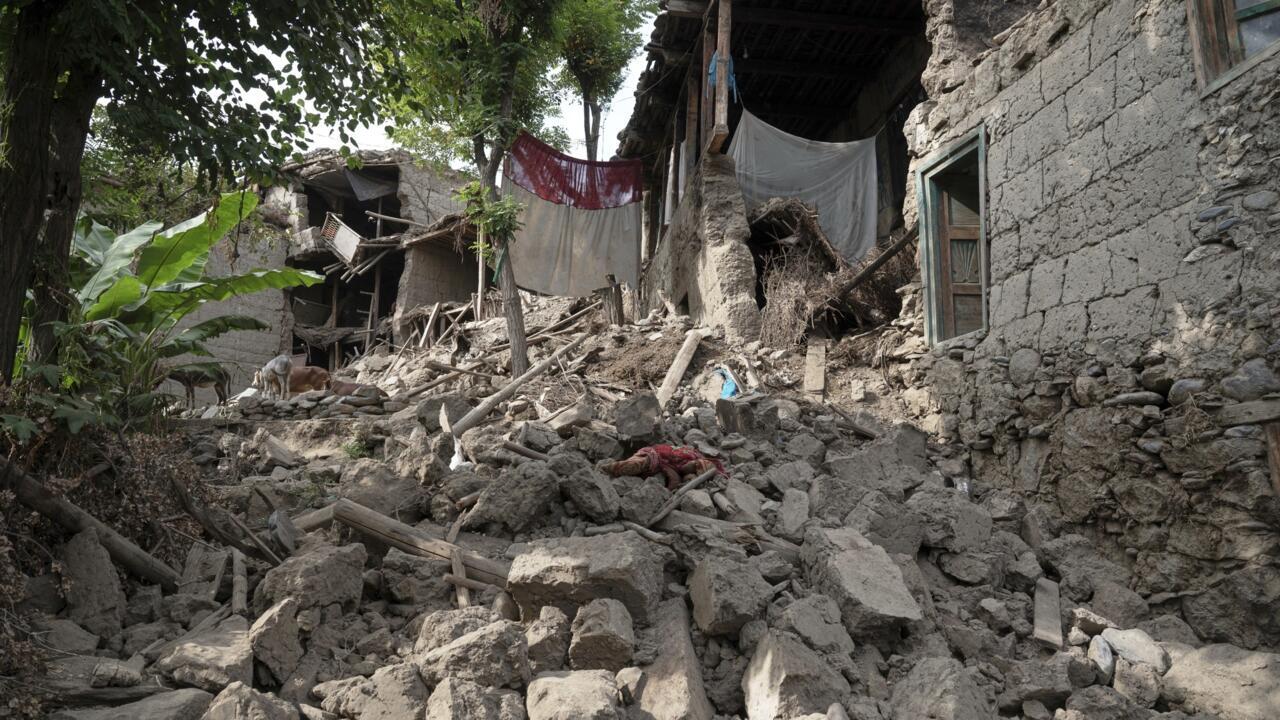
A recent earthquake struck northern Afghanistan, resulting in confirmed fatalities and a significant number of injuries. The quake, felt as far away as the capital Kabul, underscores the countryS vulnerability to natural disasters and the ongoing humanitarian challenges faced by its population.
Impact and Immediate Response
National authorities report at least five deaths and 143 injuries in the Samangan province, neighboring the quake’s epicenter. Fortunately, most of those injured have already received treatment and returned home. However, the situation highlights the difficulties in delivering aid quickly and efficiently.
Poor infrastructure and limited communication networks in Afghanistan’s mountainous regions often delay disaster response efforts. Reaching remote villages to assess damage and provide assistance can take hours, or even days. Residents of mazar-i-Sharif, a major northern city, fled their homes as the shaking began, fearing structural collapse.
A Pattern of Seismic Activity
This earthquake is the latest in a series of devastating tremors to impact Afghanistan as 2021. The Taliban-led government has already responded to three major, deadly earthquakes during this period. These events are occurring against a backdrop of significantly reduced foreign aid, which previously formed a crucial part of the country’s economy.
* In August, a 6.0-magnitude quake in eastern Afghanistan claimed over 2,200 lives, wiping out entire villages.
* Prior to that, significant tremors in Herat province (2023) and Nangarhar province (2022) caused widespread destruction and hundreds of deaths.
Worsening Humanitarian Crisis
The ongoing natural disasters are exacerbating an already dire humanitarian situation in Afghanistan. The United Nations and aid organizations have repeatedly warned of rising hunger levels among the Afghan people. Several factors contribute to this crisis:
* Drought: Prolonged dry spells are impacting agricultural yields.
* Economic Restrictions: Limitations on the banking sector hinder economic activity.
* Return of Citizens: Millions of Afghans are returning from neighboring countries like Iran and Pakistan, adding strain on resources.
Geological Context and Building Vulnerability
Afghanistan is situated in a seismically active zone, specifically along the Hindu Kush mountain range. This region lies near the collision point of the Eurasian and Indian tectonic plates, making earthquakes common.Regrettably, many homes in rural Afghanistan are poorly constructed, having been built with limited resources after decades of conflict.
These structures are particularly vulnerable to seismic activity. Reaching affected areas is also challenging due to steep terrain and limited road access, especially during inclement weather.
Looking Ahead
You can expect continued challenges in responding to natural disasters in Afghanistan. Strengthening infrastructure, improving communication networks, and ensuring access to humanitarian aid are critical steps. Addressing the underlying economic and political factors contributing to the humanitarian crisis is also essential for building a more resilient future for the Afghan people.


