Afghanistan Earthquake: A Humanitarian Crisis Deepens Amidst Funding Shortfalls
A devastating earthquake struck eastern Afghanistan in early September 2025, rapidly escalating the death toll to over 2,200 people. This tragedy unfolds against a backdrop of a severely strained humanitarian system, hampered by significant cuts in international aid. The situation is notably dire for those in remote areas, where access to essential medical care and supplies remains critically limited.
A Collapsing Healthcare System
Since February 2025, a staggering 422 health facilities across Afghanistan have been forced to close due to reductions in US aid. Eastern Afghanistan bears a heavy burden, wiht at least 80 centers shuttered, including 15 in Kunar and 29 in Nangarhar provinces. This collapse directly impacts earthquake survivors, leaving them even more vulnerable to injury, disease, and further suffering.
You can imagine the consequences: limited access to trauma care, increased risk of infection, and a struggle to treat basic injuries. The timing couldn’t be worse, as Afghanistan already faces challenges with malnutrition, measles, malaria, and polio.
Funding Cuts Cripple Aid Organizations
The impact extends beyond healthcare. Organizations like the Norwegian Refugee Council (NRC) report their funding has decreased to 60% of 2023 levels. This drastically limits their capacity to respond to the growing humanitarian needs.
Similarly, the International Organization for migration (IOM) has seen its operational capabilities diminished. Reduced warehouse capacity and a smaller on-the-ground presence mean supplies are now largely dispatched from Kabul, adding significant delays and logistical hurdles. This impacts the speed and efficiency of delivering aid to those who desperately need it.
Challenges in Reaching Affected Communities
The world Health Organization (WHO) and other agencies have mobilized emergency health kits, mobile medical teams, and ambulances. though, reaching remote villages remains a monumental challenge. Blocked roads and a scarcity of helicopters hinder access, leaving communities to wait anxiously for assistance.
Currently, 25 inter-agency teams have reached some affected districts, but access to the most isolated valleys remains inconsistent. Unfavorable weather conditions are further exacerbating these delays.
Limited Resources, Immense Needs
The United Nations (UN) has allocated $10 million in emergency funding – $5 million from the Central Emergency Response Fund and $5 million from the Afghanistan Humanitarian Fund. While a crucial first step, aid officials emphasize this is a fraction of what’s truly required.
Consider the scale of the disaster: thousands are displaced, homes are destroyed, and essential infrastructure is damaged. A sustained and significantly increased influx of aid is vital to prevent a further humanitarian catastrophe.
The Human Cost
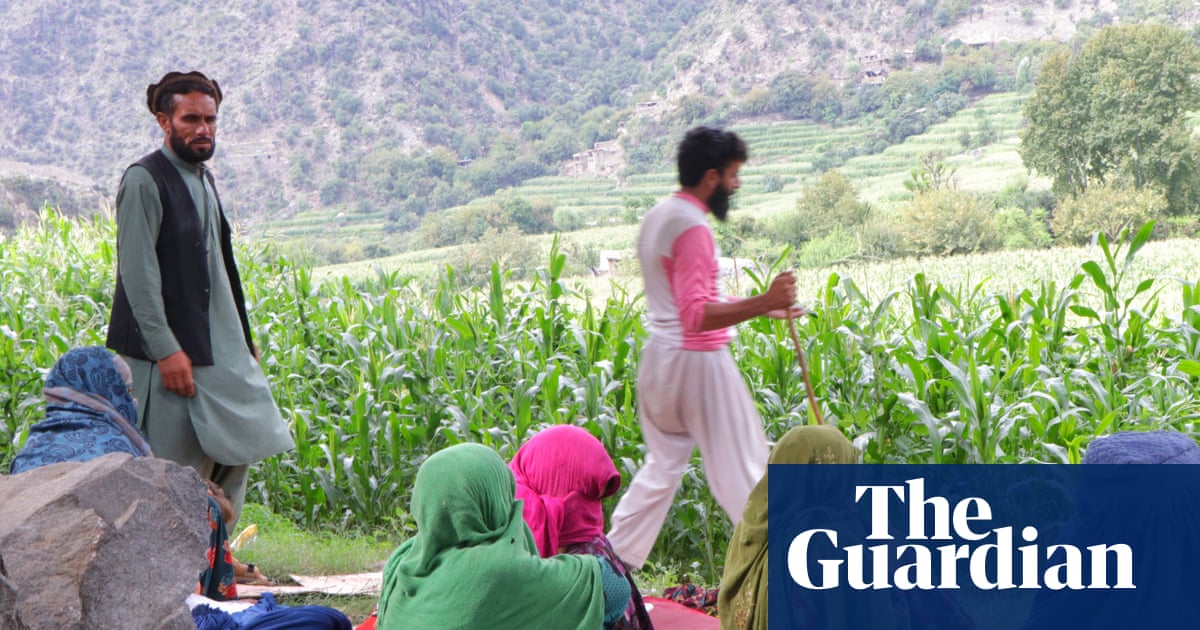
In villages like Wadeer, the scene is one of profound grief and uncertainty. People are sheltering under makeshift coverings,mourning their loved ones and fearing for the future. The earthquake has not only taken lives but has also shattered livelihoods and left communities reeling.
This crisis demands immediate and sustained attention. It’s a stark reminder of the interconnectedness of global humanitarian efforts and the devastating consequences when those efforts are underfunded and constrained.The people of Afghanistan need your support now more than ever.
Keep reading