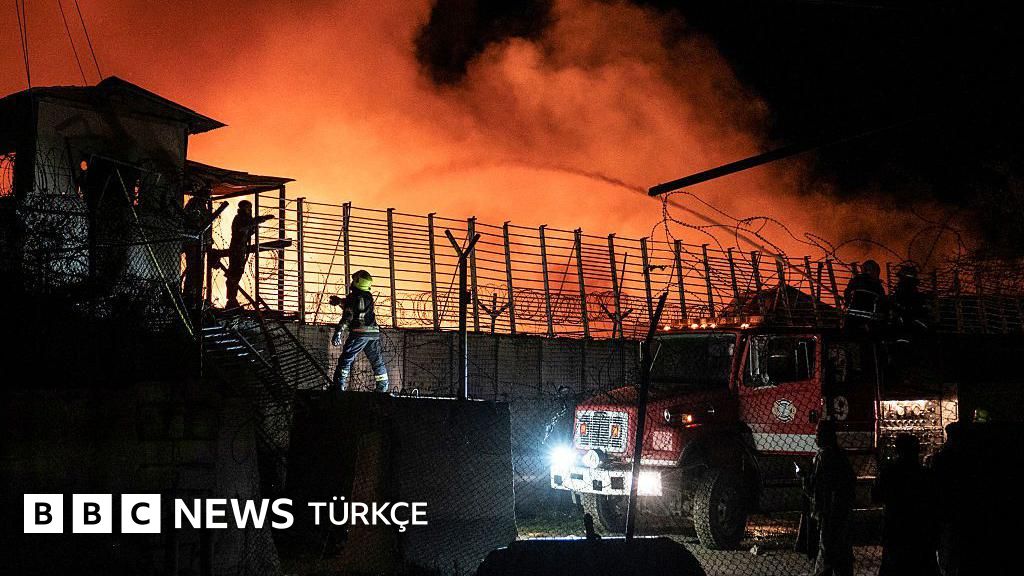
Kabul, Afghanistan – A devastating strike targeting a rehabilitation hospital in Kabul has reportedly resulted in a significant loss of life, with initial reports suggesting at least 400 people were killed. The incident, which occurred on Tuesday, March 16, 2026, has ignited a fresh wave of tensions between Afghanistan and Pakistan, with the Taliban government in Kabul directly accusing Pakistan of carrying out the attack. Islamabad vehemently denies any involvement. The escalating conflict between the two nations raises serious concerns about regional stability and the humanitarian consequences for civilians caught in the crossfire.
The attack, which struck a rehabilitation center in the vicinity of Kabul, has prompted widespread condemnation and calls for an independent investigation. While details remain fluid and verification is ongoing, the scale of the reported casualties is alarming. The hospital, according to sources, housed individuals recovering from various conditions, including those affected by years of conflict, and landmines. The precise nature of the strike – whether it involved airstrikes, missiles, or other weaponry – remains contested, further complicating efforts to ascertain the full extent of the damage and loss of life.
The accusations leveled by the Taliban against Pakistan are particularly serious, representing a significant escalation in the already strained relationship between the two countries. Pakistan has consistently denied supporting insurgent groups operating within Afghanistan, and officials in Islamabad have characterized the Taliban’s claims as baseless and provocative. Still, the Taliban maintains that evidence points directly to Pakistani involvement, citing the type of weaponry used and the targeting of a civilian facility. This latest incident follows a series of cross-border clashes and accusations of interference in each other’s internal affairs, creating a volatile security environment.
Escalating Tensions and Cross-Border Clashes
The recent strike is not an isolated event but rather the latest in a series of escalating tensions between Afghanistan and Pakistan. Over the past several months, both countries have accused each other of supporting militant groups and conducting attacks across their shared border. In February 2026, Pakistan launched airstrikes inside Afghanistan, targeting alleged terrorist hideouts, a move that was strongly condemned by the Taliban. According to reports, these strikes were in response to attacks by Pakistani Taliban militants operating from Afghan soil.
The porous border between Afghanistan and Pakistan, stretching over 2,600 kilometers, has long been a source of contention. The region is characterized by rugged terrain and a complex network of tribal affiliations, making it difficult to effectively control and monitor. Both countries accuse each other of allowing militants to employ their territory as safe havens, leading to a cycle of violence and mistrust. The presence of groups like the Tehrik-i-Taliban Pakistan (TTP), also known as the Pakistani Taliban, further complicates the situation. The TTP has claimed responsibility for numerous attacks inside Pakistan and maintains a presence in Afghanistan.
The Attack on the Kabul Hospital: Details and Response
The attack on the rehabilitation hospital in Kabul has drawn international condemnation. While the exact circumstances surrounding the incident are still under investigation, reports indicate that the facility was struck by a missile or airstrike. CBS News reports that the Taliban claims hundreds were killed, while the exact number remains unconfirmed. The hospital reportedly provided care for individuals with physical and psychological trauma, many of whom were victims of decades of conflict. The targeting of a medical facility is a grave violation of international humanitarian law.
The Taliban government has vowed to retaliate for the attack, raising the specter of further escalation. Spokespersons for the Taliban have called on the international community to intervene and hold Pakistan accountable for its alleged actions. However, the international response has been cautious, with many countries urging restraint and calling for a peaceful resolution to the conflict. The United Nations has expressed deep concern over the escalating violence and has offered to mediate between the two sides. The UN Assistance Mission in Afghanistan (UNAMA) is currently assessing the situation and working to provide humanitarian assistance to those affected by the attack.
Humanitarian Impact and Concerns
The attack on the Kabul hospital has exacerbated the already dire humanitarian situation in Afghanistan. The country is facing a severe economic crisis, compounded by years of conflict, drought, and the recent suspension of international aid. The healthcare system is on the brink of collapse, with many hospitals and clinics lacking essential supplies and personnel. The loss of the rehabilitation hospital will further limit access to vital medical care for vulnerable populations. T24 reports that at least 250 people were also injured in the attack, placing further strain on the already overwhelmed healthcare system.
International aid organizations are struggling to provide assistance to those in require, hampered by security concerns and logistical challenges. The ongoing conflict and political instability are making it difficult to reach affected populations and deliver essential supplies. The international community is facing increasing pressure to provide humanitarian assistance to Afghanistan, but concerns remain about ensuring that aid reaches those who need it most without being diverted by the Taliban or other groups.
Regional Implications and the Path Forward
The escalating tensions between Afghanistan and Pakistan have broader regional implications. The conflict could destabilize the entire region, potentially drawing in other countries and exacerbating existing conflicts. The presence of militant groups in the border region poses a threat to regional security, and the potential for cross-border attacks remains high. The situation also raises concerns about the flow of refugees and migrants, as people flee violence and instability in search of safety.
Finding a peaceful resolution to the conflict will require a concerted effort from both Afghanistan and Pakistan, as well as the involvement of the international community. Dialogue and diplomacy are essential to address the underlying issues that are fueling the tensions. Both countries need to commit to respecting each other’s sovereignty and territorial integrity, and to refrain from supporting militant groups operating within their borders. The international community can play a role by providing mediation assistance, promoting economic cooperation, and supporting efforts to strengthen regional security.
The attack on the Kabul hospital serves as a stark reminder of the human cost of conflict and the urgent need for peace. The international community must prioritize humanitarian assistance and function to prevent further escalation of violence. A lasting solution to the conflict between Afghanistan and Pakistan will require a comprehensive approach that addresses the root causes of instability and promotes regional cooperation.
As of March 17, 2026, the Taliban government has announced a period of mourning for the victims of the attack and has called for increased security measures throughout the country. Further developments are expected in the coming days as investigations into the incident continue and as both Afghanistan and Pakistan assess their next steps. The situation remains highly volatile, and the potential for further escalation remains a significant concern. We will continue to monitor the situation closely and provide updates as they become available.
What are your thoughts on this developing situation? Share your comments below and help us spread awareness by sharing this article.
Related reading