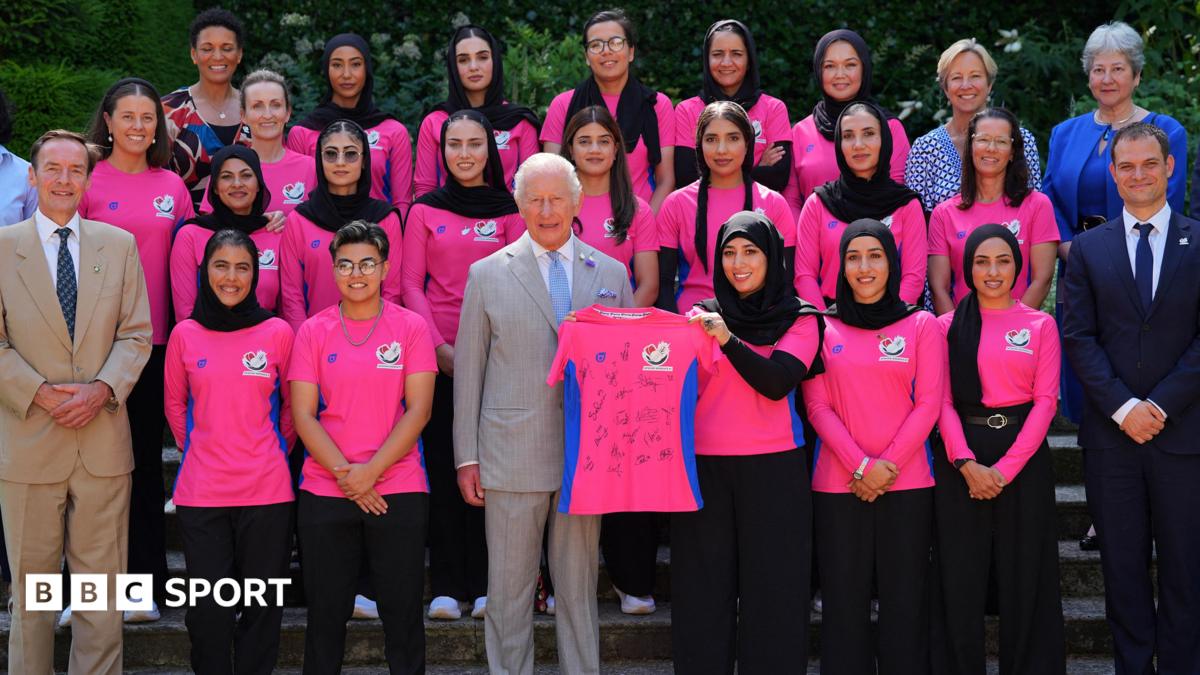
Members of the Afghanistan women’s cricket team have formally appealed to the International Cricket Council (ICC) to provide a definitive strategy regarding their future in the sport. The players, many of whom are living in exile, are seeking clarity on whether they can continue to represent their country internationally under the banner of the Afghanistan Cricket Board (ACB) or through an alternative framework, according to reporting by Reuters.
This request highlights the ongoing tension between international sports governance and the restrictive policies implemented by the Taliban administration in Kabul. Since the Taliban returned to power in August 2021, the participation of women in sports has been effectively banned, leaving female athletes in a state of professional limbo. The ICC, which requires member nations to maintain a functional women’s national team structure to retain full membership, has faced persistent calls to address the situation in Afghanistan.
The Status of Women’s Cricket Under Taliban Rule
The restriction on women’s sports in Afghanistan is part of a broader set of policies that have systematically excluded women from public life, including education and employment. According to the Human Rights Watch, the Taliban’s interpretation of Sharia law has resulted in the near-total erasure of women from the public sphere, a situation that international human rights organizations have frequently characterized as gender apartheid. For the women’s cricket team, this environment has made training or competing within Afghanistan impossible.
Most of the players who previously represented the country have since fled to Australia, where they have sought the support of the Australian government and Cricket Australia to establish a refugee team. The players argue that their status as Afghan citizens should entitle them to represent their nation, even if they are currently unable to operate within the borders of Afghanistan. However, the ICC has maintained that it must engage with the recognized governing body of the country, the ACB, which remains under the control of the de facto authorities in Kabul.
Regulatory Challenges for the ICC
The International Cricket Council occupies a difficult position regarding the Afghanistan Cricket Board. While the ICC has expressed concern regarding the lack of a women’s team, it has been reluctant to suspend the ACB, citing the potential for such a move to isolate the men’s national team—a side that has become a significant source of national pride and a key revenue generator for the board. The ESPNcricinfo report notes that the ICC has held multiple meetings on the subject but has yet to issue a formal ruling that would allow for a separate, refugee-based women’s squad to compete under the Afghan flag.
The players’ appeal is not merely about playing cricket; it is a request for recognition of their identity as athletes. They contend that the ICC’s current stance effectively validates the Taliban’s ban on women’s sports by refusing to recognize any entity that stands in opposition to those policies. The players have reportedly expressed frustration that their attempts to communicate with the ICC have been met with bureaucratic delays rather than clear policy directives.
What Happens Next for the Afghan Players
The immediate future for the Afghan women’s team remains uncertain. The ICC is governed by a board of directors that must reach a consensus on matters of membership and eligibility. As of November 2024, there is no scheduled vote or public hearing that specifically addresses the creation of an independent Afghan women’s team in exile, according to the latest ICC official statements and meeting agendas.
For the players, the primary objective is to gain the ICC’s blessing to form a representative team that can participate in sanctioned international matches. This would require the ICC to either grant a special exemption to the players or to officially recognize a body outside of the ACB—a move that would be unprecedented in the modern history of the sport. Until the ICC provides a clear answer, the players remain in a state of uncertainty, continuing to train in the hope that their professional status will eventually be restored.
Readers interested in following this situation can monitor updates via the official ICC media center or through statements issued by the Afghan women’s cricket advocates. The situation remains a critical test of international sporting bodies’ commitment to gender equality in the face of political oppression. We encourage our readers to comment below or share this article to help keep this issue in the public discourse.
Keep reading