
The Venezuelan Ministry of Foreign Affairs marked the XXI Africa World Week this month with a series of diplomatic and cultural exchanges aimed at strengthening bilateral ties between Caracas and various African nations. Foreign Minister Yván Gil Pinto led the official proceedings, emphasizing the strategic importance of Venezuela’s diplomatic engagement with the African continent, according to statements released by the Venezuelan Ministry of Foreign Affairs.
This annual observance serves as a platform for Venezuela to reaffirm its commitment to South-South cooperation, a policy framework that seeks to foster economic, political, and cultural integration among developing nations. The event, which has become a staple of the nation’s international agenda, involved meetings with representatives from diplomatic missions stationed in Caracas, focusing on shared historical narratives and future economic partnerships.
Strategic Diplomatic Goals in Africa
For the Venezuelan government, the Africa World Week is more than a commemorative event; it is an opportunity to consolidate its geopolitical standing. Foreign Minister Yván Gil Pinto has consistently framed these interactions as essential for building a “multipolar world,” a core tenet of the country’s foreign policy doctrine. These diplomatic efforts often emphasize the rejection of unilateral coercive measures and the promotion of collective sovereignty, as outlined in official United Nations frameworks for regional development and cooperation.
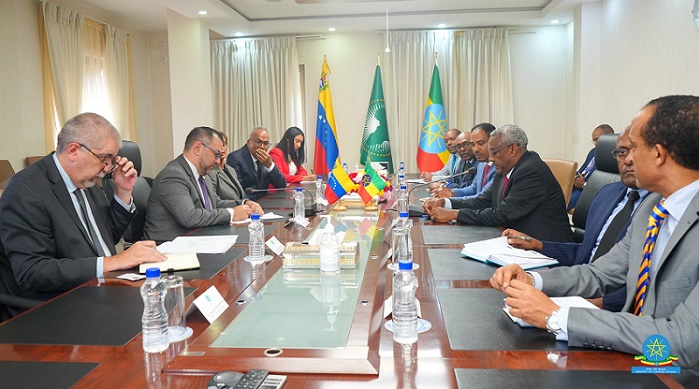
The diplomatic agenda during this period typically covers a range of sectors, including energy, agriculture, and education. By positioning itself as a strategic partner to African states, Caracas aims to expand its influence beyond Latin America. These efforts are part of a broader, decade-long strategy to diversify international alliances, particularly as the country navigates complex economic sanctions and shifting global market conditions. Analysts at the World Economic Forum have noted that such South-South initiatives are increasingly used by emerging economies to mitigate reliance on traditional Western financial and political centers.
Cultural Diplomacy as a Bridge
Alongside the formal diplomatic meetings, the celebration included a significant cultural component, dubbed the Festival Cultural con los Pueblos de África. This festival serves to highlight the deep-rooted historical and ancestral links between Venezuela and the African continent. Through music, art, and academic forums, organizers sought to move beyond purely bureaucratic relations to foster a “people-to-people” connection.
The cultural program featured performances and exhibitions designed to showcase the shared heritage that links Venezuelan society to African cultures, particularly through the lens of the Caribbean diaspora. By integrating these cultural elements, the Ministry of Foreign Affairs seeks to create a more resilient diplomatic framework that relies on public sentiment and shared identity, rather than just state-to-state agreements. This approach is consistent with the country’s long-standing use of “soft power” to maintain international visibility.
Economic and Political Implications
While the cultural events attract significant public attention, the underlying business focus remains a priority for the Ministry. Venezuela has historically sought to expand its oil and gas footprint in Africa, while simultaneously exploring agricultural imports and technology transfers. However, international observers point out that the practical implementation of these agreements remains subject to the volatility of the Venezuelan economy and the limitations imposed by international financial restrictions.
According to reports from the Reuters news agency regarding Venezuela’s foreign relations, the effectiveness of these diplomatic overtures is often constrained by the country’s limited liquidity and the logistical challenges of maintaining long-distance trade routes. Despite these hurdles, the government continues to host these annual forums to signal that it remains an active participant in global governance, particularly within the Non-Aligned Movement (NAM) and other blocs where African nations hold significant voting power.
Future Developments and Official Updates
The conclusion of the XXI Africa World Week does not mark the end of these diplomatic efforts. The Ministry of Foreign Affairs typically follows these events with a series of bilateral commission meetings throughout the remainder of the calendar year. These working groups are tasked with auditing the progress of memorandums of understanding signed during the week-long celebration.

Stakeholders, investors, and members of the diplomatic community can track ongoing updates through the official website of the Venezuelan Ministry of Foreign Affairs, which publishes periodic bulletins regarding trade agreements and high-level visits. As Venezuela moves toward its next cycle of international summits, the focus will likely remain on securing tangible economic benefits from these long-standing alliances. Readers interested in the evolution of this policy are encouraged to monitor upcoming government gazettes and international press releases for further details on specific trade projects initiated during this period.
What are your thoughts on the role of cultural diplomacy in modern international relations? Share your perspective in the comments section below.
Keep reading